Buy Now, Post Later. TikTok Haul Culture Drives a Tidal Wave of Returns
Social marketplaces like TikTok are fuelling a returns crisis, as shoppers increasingly treat buying as content creation and returning as standard practice.
Social marketplaces like TikTok are fuelling a returns crisis, as shoppers increasingly treat buying as content creation and returning as standard practice. New insight from the Annual Returns Benchmark Report 2025/26, conducted by returns and post-purchase specialists ZigZag, reveals a generational divide in what’s considered acceptable shopping behaviour. TikTok Shop has seen a 93% year-on-year increase in daily sales in the UK between 2024 and 2025. But the platform’s explosive growth is also accelerating irresponsible - and at worst, fraudulent - purchasing behaviour.
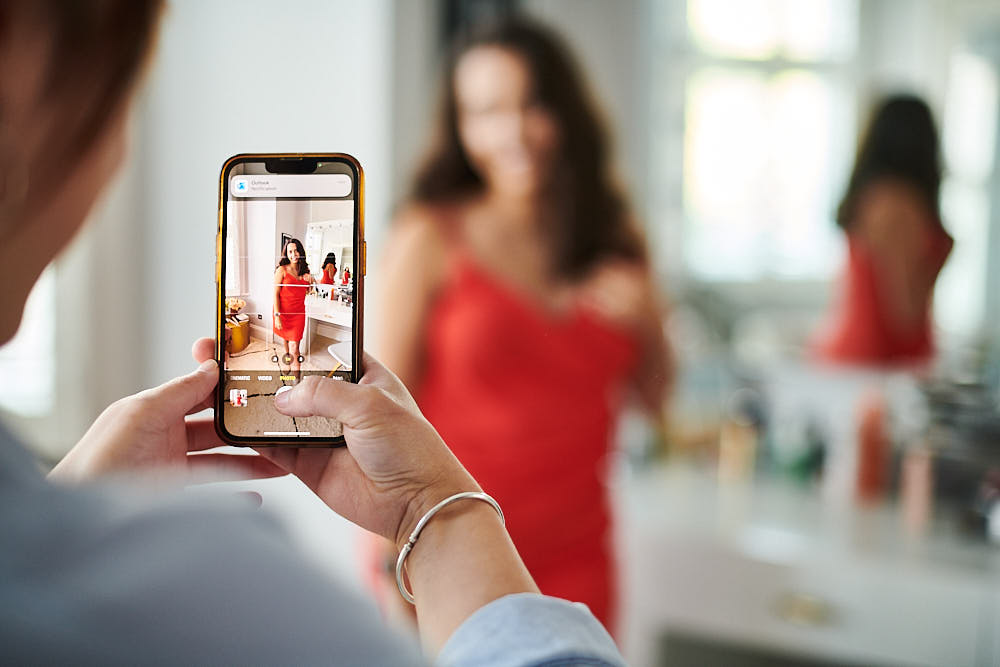
From fashion hauls to try-on challenges, TikTok has turned shopping into entertainment and returns into fallout.
More than a quarter of both Gen Z (29%) and Millennials (26%) say they’ve staged content on social media with items they’ve later returned. That’s up 2% overall year on year - including +7% among Millennials and +5% among Gen X - suggesting this isn’t just a Gen Z phenomenon anymore.
But staging is often more than a spontaneous regret. For 7% of shoppers, the intent to return was there from the outset, rising to 1 in 10 of Gen Z and 11% of Millennials. In fact, 11% of shoppers aged 18-44 buy items specifically to create their own haul or review content, a trend ZigZag describes as the rise of the “haul-fluencer”.
37% of Gen Z shoppers return more than 50% of what they purchase through social media platforms
When asked why they made a purchase via TikTok or Instagram, over a quarter (28%) of Gen Z said they were unsure about the item but were tempted by the video, an insight that shows how short-form content can drive impulse purchases. Another 25% said they wanted to try what everyone else was using and 29% were influenced directly by a creator they follow.
This shift in purchasing psychology - more emotional, public, and performative - has direct operational consequences. Retailers are facing a tidal wave of returns that is no longer just about fit or fault, but content creation. One in five purchases made on social marketplaces end up being returned. Among Gen Z, that rises to one in three.
More insidious behaviours are also climbing.
Wardrobing - wearing clothes to an event before returning them - has increased from 16% to 20% year on year. Among Gen Z, the figure has jumped +12 percentage points and +8 points among Millennials. Combined with staging, these behaviours signal a shift in what younger consumers view as acceptable. While only 8% of over-60s think it’s okay to wear and return, that figure rises dramatically to over a third (39%) of Gen Z and well over a quarter (28%) of Millennials. Fraudulent returns are becoming embedded in the mindset of the social-first shopper.
Al Gerrie, CEO at ZigZag, states “These trends blur the line between influence and fraud and retailers are stuck in the crossfire. Buying to show off online leads to real returns abuse and ultimately costs retailers. Social media platforms can’t keep hiding behind their creators.
"If the likes of TikTok want to be taken seriously as a marketplace, it needs to start acting like one. We’ve seen viral sellers shift 10,000 units in 48 hours, only to be bankrupted by the cost of returns. Influencers are brilliant at selling, but logistics isn’t their dance space. ZigZag now supports TikTok Shop and we’re working with influencers who go viral overnight, suddenly handling enterprise-scale volume with no returns process, no fraud controls and no idea how to protect their margins.”
Social commerce has changed the way people shop, with new routes to market inspiring shoppers to discover new products and brands. Retailers will need to adapt their current processes, infrastructure and ecosystems to embrace this newer form of retailing, and all the opportunities it offers.
Without scalable, resilient infrastructure, a viral moment can quickly become an operational nightmare. ZigZag is increasingly stepping in to support sellers operating on social marketplaces, offering a scalable, streamlined returns solution to help retailers protect margins, reduce waste and offer simple returns experiences to genuine customers. As social shopping grows, brands that ignore the operational costs of returns risk losing stock, customer trust and brand value.
By clicking “Accept All Cookies”, you agree to the storing of cookies on your device to enhance site navigation, analyze site usage and assist in our marketing efforts. More info
By clicking “Accept All Cookies”, you agree to the storing of cookies on your device to enhance site navigation, analyze site usage and assist in our marketing efforts. More info
.svg)

.svg)
.svg)
.svg)
.svg) Returns
Returns.svg) Returns Solution
Returns Solution Returns Solutions
.svg) Rating (4.8)
Rating (4.8) Reviews400+
.svg)

 Return arrived at ZigZag Returns Hub

 Returning remaining items
.svg) Join our mailing list
Join our mailing list


.svg)





%20(5).svg)

.svg)

.svg)


.svg)
%20(2).svg)
.svg)




.svg)
.svg)
.svg)


.svg)