How ZigZag Helps You Transform Your Returns With Happy Returns' Returns Bar
For UK retailers selling into the United States, returns have always been a headache. Happy Returns, now part of UPS, flips this on its head.
For UK retailers selling into the United States, returns have always been a headache.
Your American customer buys a dress, decides it does not fit, and then what?
They need a box. They need a label. They need to find a post office or carrier drop-off.
And you need to wait days, sometimes weeks, before that item lands back in your hands, and the refund can go out.
That old process costs you money, costs you time, and costs you customers who decide the hassle is not worth shopping with you again.
Happy Returns, now part of UPS, flips this on its head.
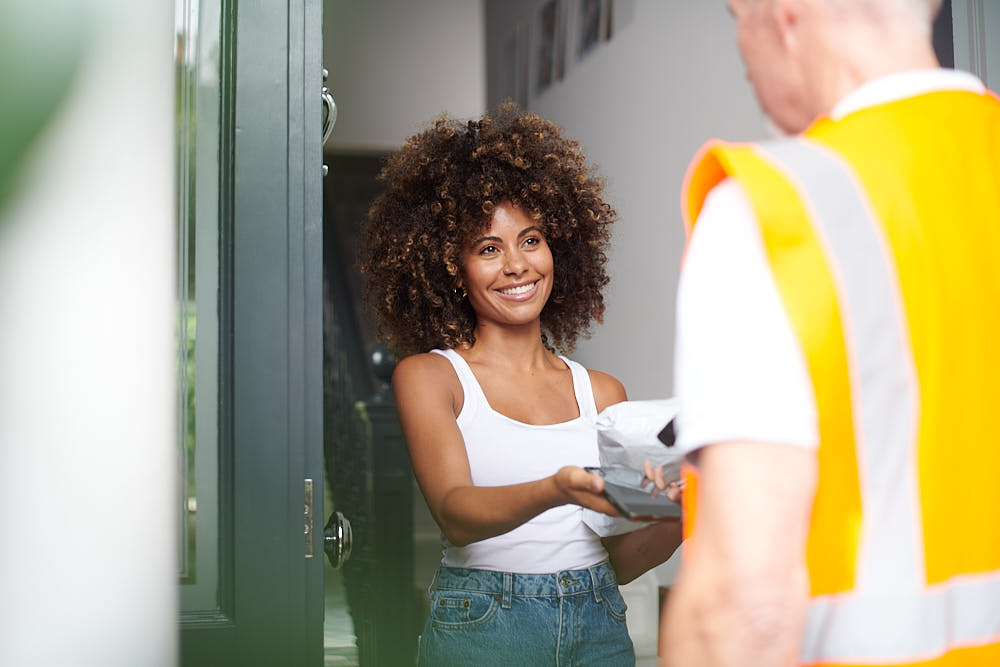
Their Returns Bar network gives your US shoppers a place to walk in, hand over the item, and walk out.
No box. No label. Refund triggered on the spot.
And through ZigZag, you can plug this service straight into a returns platform that manages everything from carrier selection to cross-border consolidation.
This article covers everything you need to know about Happy Returns' Returns Bar, how it fits into ZigZag's platform, and what that means for your business.
About Happy Returns: One of America's Leading Box-Free Returns Network
Happy Returns was built around an idea that sounds obvious, but very few carriers have actually delivered on: make returning a product as easy as buying one.
Their Returns Bar network covers over 10,000 locations across the United States, including more than 5,000 UPS Store branches.
That reach means 87% of American consumers live within 10 miles of a drop-off point, which is the kind of accessibility that makes returns feel effortless for your shoppers rather than like a chore.
The process works differently from a traditional parcel return.
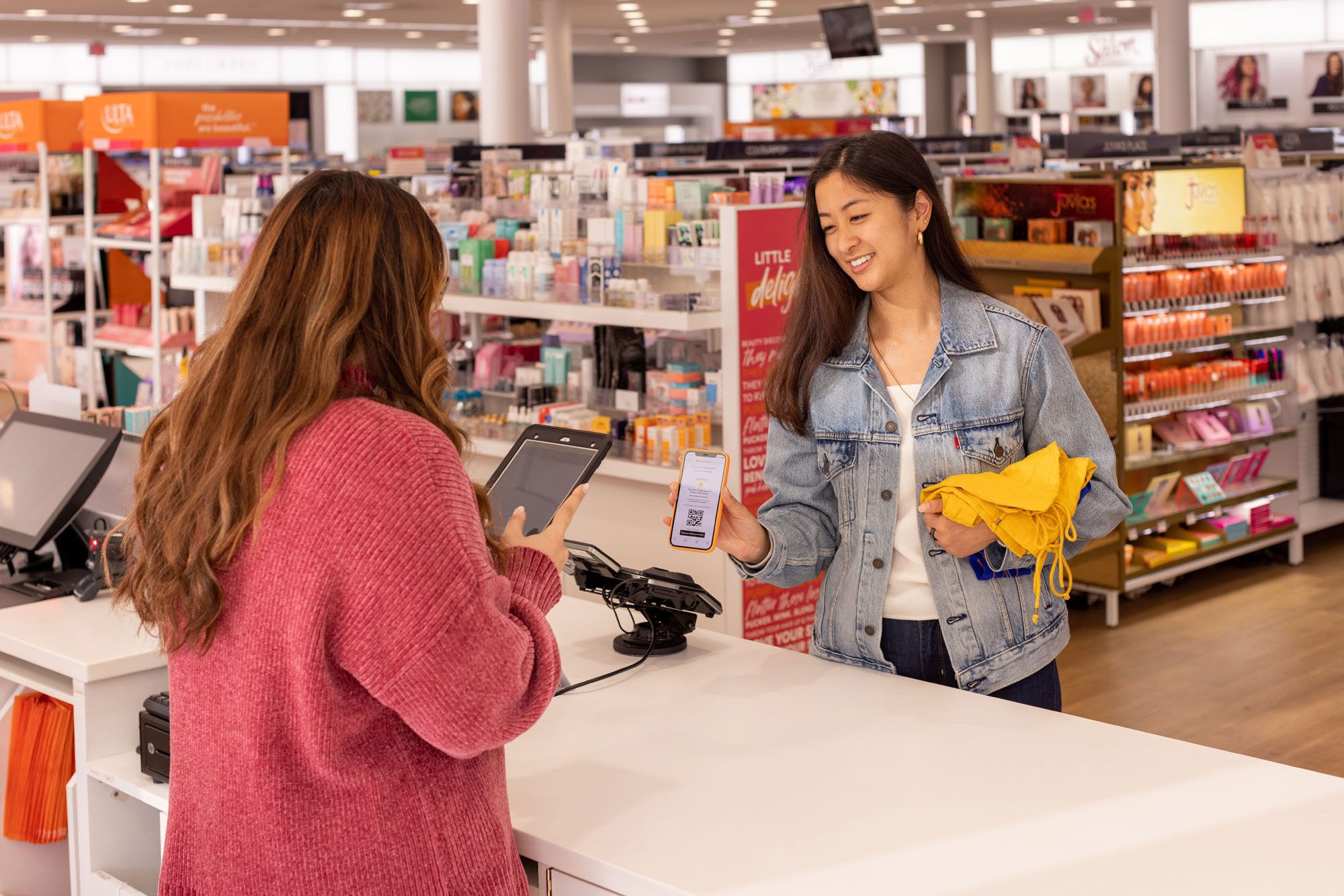
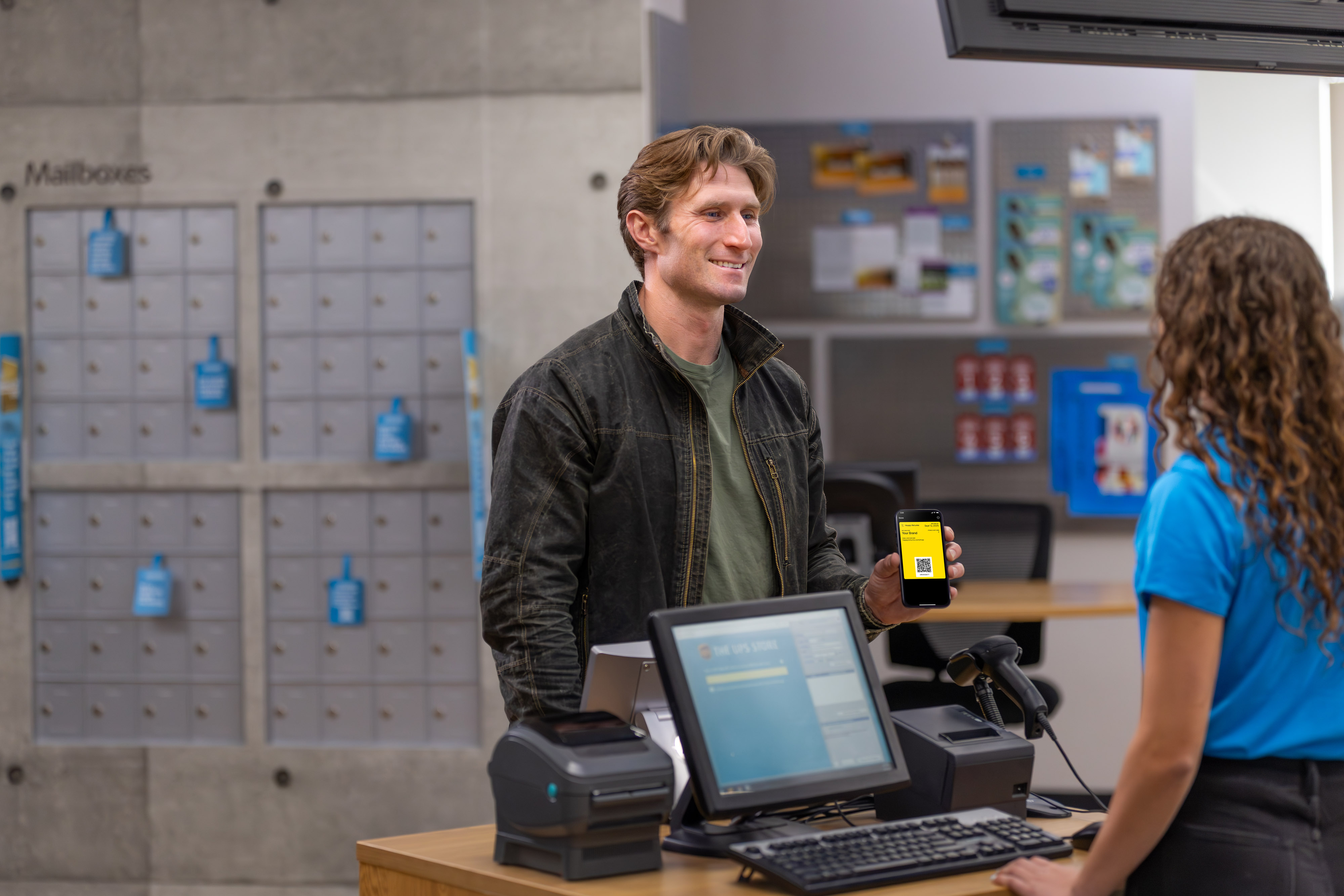
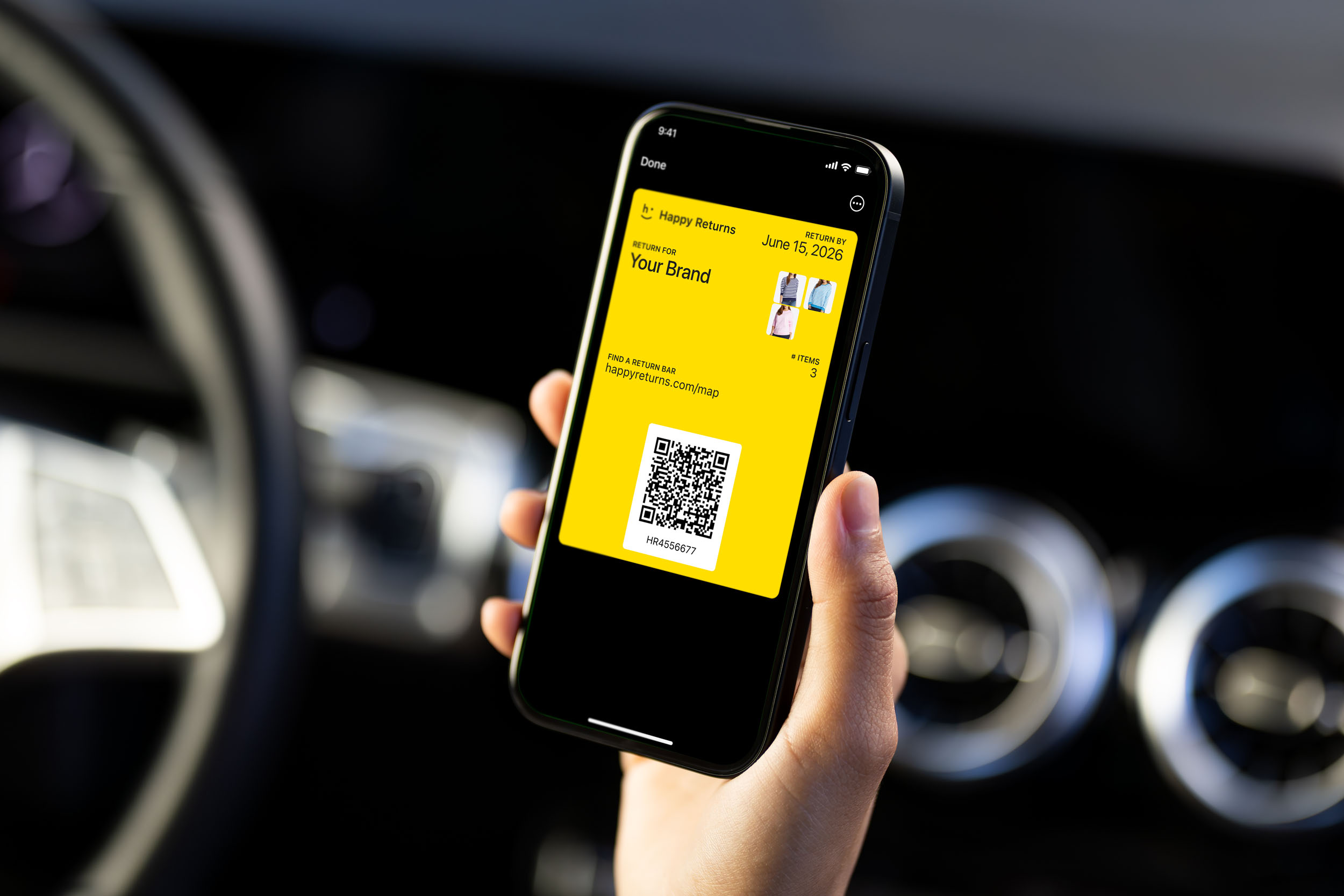
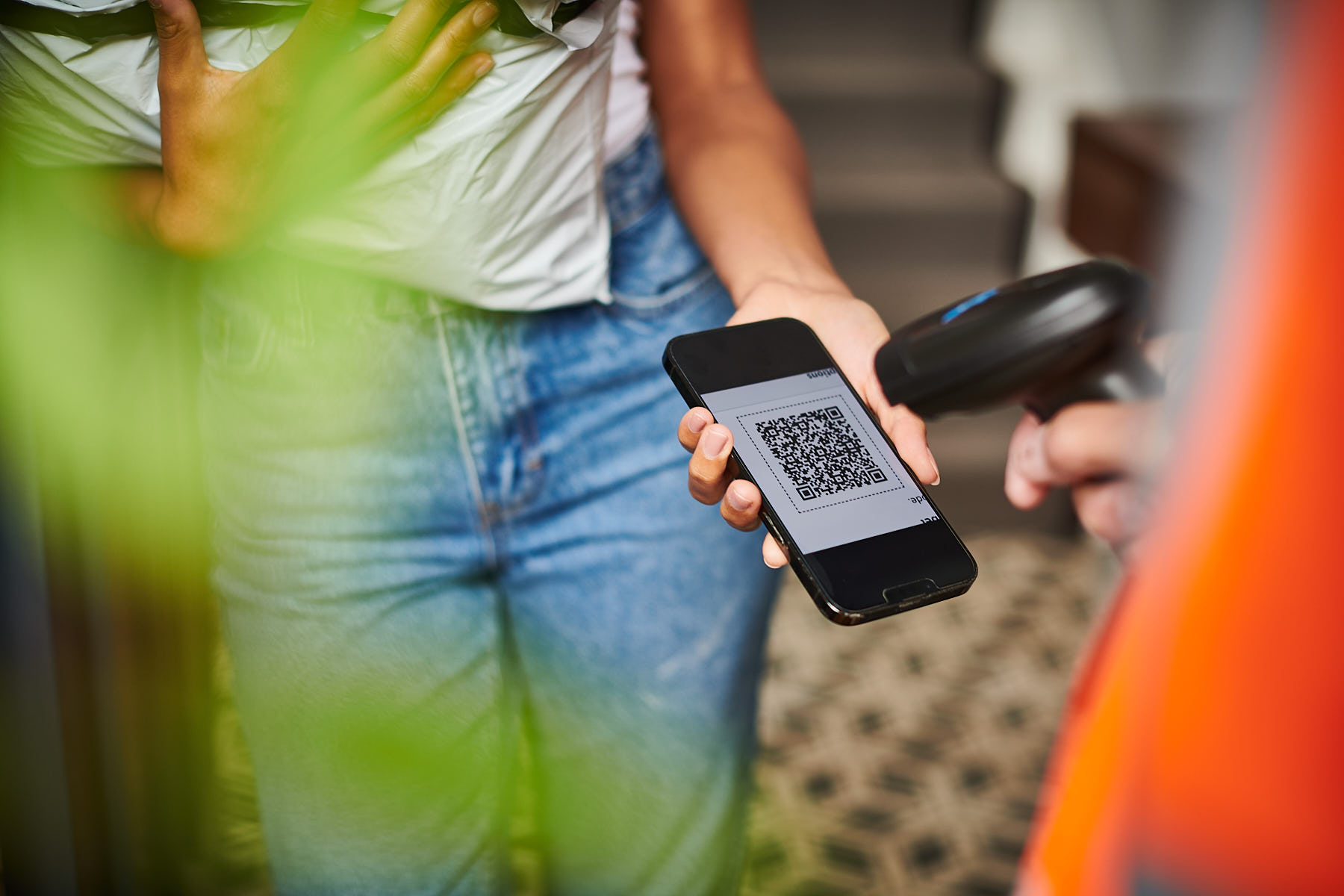
A customer walks into a Returns Bar with their item and a QR code on their phone.
Staff scan the code, open the item, and check it against the returns order right there on the counter.
If everything matches, the item gets sealed into a polybag or tote, and the refund kicks off immediately.
That on-the-spot verification is where the real value sits for retailers.
Think about what normally happens: a customer posts a return, it spends days in transit, it arrives at your warehouse, your team opens it, checks it, and only then does the refund process begin.
Every day in that chain is another day where the customer is checking their email, wondering where their money is, and potentially calling your support team.
Happy Returns compresses all of that into a single moment at the counter:
Item checked.
Refund triggered
Customer walks away satisfied.
Your support team never hears about it.
Behind the scenes, Happy Returns runs three regional processing hubs: Van Nuys in California, Shoemakersville in Pennsylvania, and Southaven in Mississippi.
Returns from every retailer at a given location get consolidated together, shipped to the nearest hub, and then sorted, boxed, and palletised before being dispatched to individual retailers.
That consolidation keeps costs down and logistics simple.
For UK brands with American customers, this is a chance to give your US shoppers the same frictionless returns experience they get from domestic US retailers, while ZigZag handles the complexity of getting product back across the Atlantic.
Why ZigZag is the Ideal Returns Partner for Happy Returns
Managing returns used to mean juggling individual carrier contracts, chasing tracking updates across different systems, and hoping your single carrier did not have a bad week during peak season.
That approach might have worked when e-commerce was smaller and returns volumes were lower, but it does not hold up when you are selling across multiple countries and processing thousands of returns a month.
ZigZag replaces that patchwork with a single platform.
More than 1,500 carrier services across over 170 countries, all accessible through one dashboard.
Whether a customer is returning from Texas, Surrey, or Munich, ZigZag routes that return through the best available option for speed, cost, and convenience.
Want to see how the platform handles carrier selection, tracking, and portal customisation in practice? Walk through it here:
A Returns Network That Reaches Everywhere
What makes ZigZag's network different is not just the number of carriers. It is the range of return methods that carriers unlock.
Drop-off points, parcel lockers, home collections, in-store returns, and now box-free Returns Bars through Happy Returns.
Your shoppers pick the method that fits their day, not the one method you happened to set up.
The returns portal adapts to each market automatically, displaying the right language, currency, and local carrier options so a customer in Paris has the same smooth experience as a customer in Philadelphia.
We’ve also found that Return to Store has become especially popular for retailers with physical shops.
ZigZag pulls your store locations into the returns portal alongside parcel shops and locker points, so customers see every option on a single map.
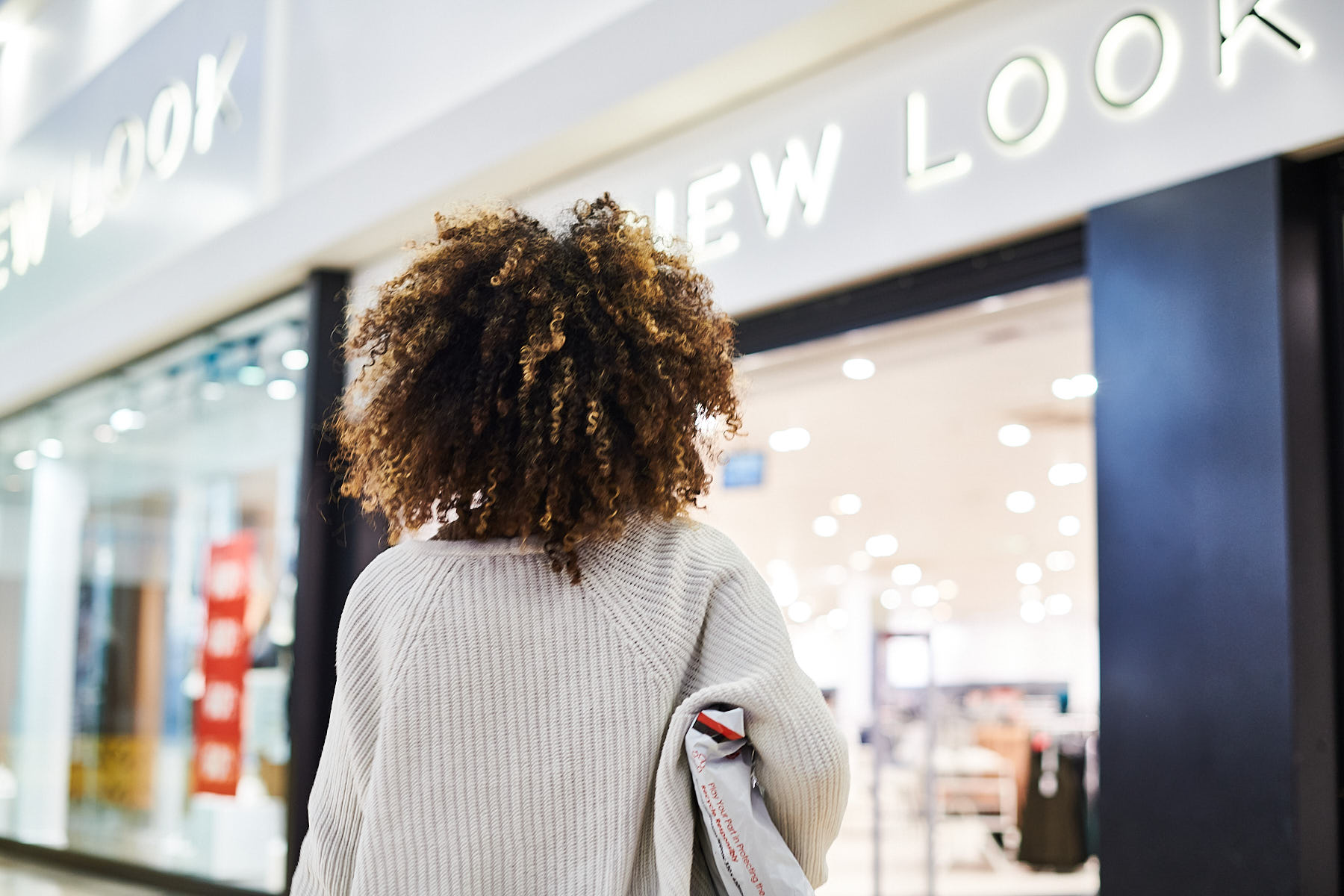
New Look saw what happens when you get this right.
After rolling out self-service kiosks in selected UK stores and pairing free in-store returns with a small online returns fee, they doubled the volume of items coming back through their shops.
Shipping costs went down. Foot traffic went up. Both at the same time.
How we have improved the logistics networks of retailers around the world
ZigZag has helped some of the UK's best-known retailers transform their returns operations.
Here are a few examples that show what that looks like in practice.
That is not a rounding error. That is a direct hit to your margin on every single item that comes back.
ZigZag helps bring that number down.
As our platform manages returns for some of the largest enterprise retailers in the world, the volume flowing through it gives ZigZag genuine negotiating weight with carriers.
Those rates get passed on to you, whether you are processing 500 returns a month or 50,000.
But here is where it gets interesting. Even retailers who already have strong carrier deals have found that ZigZag still saves them money.
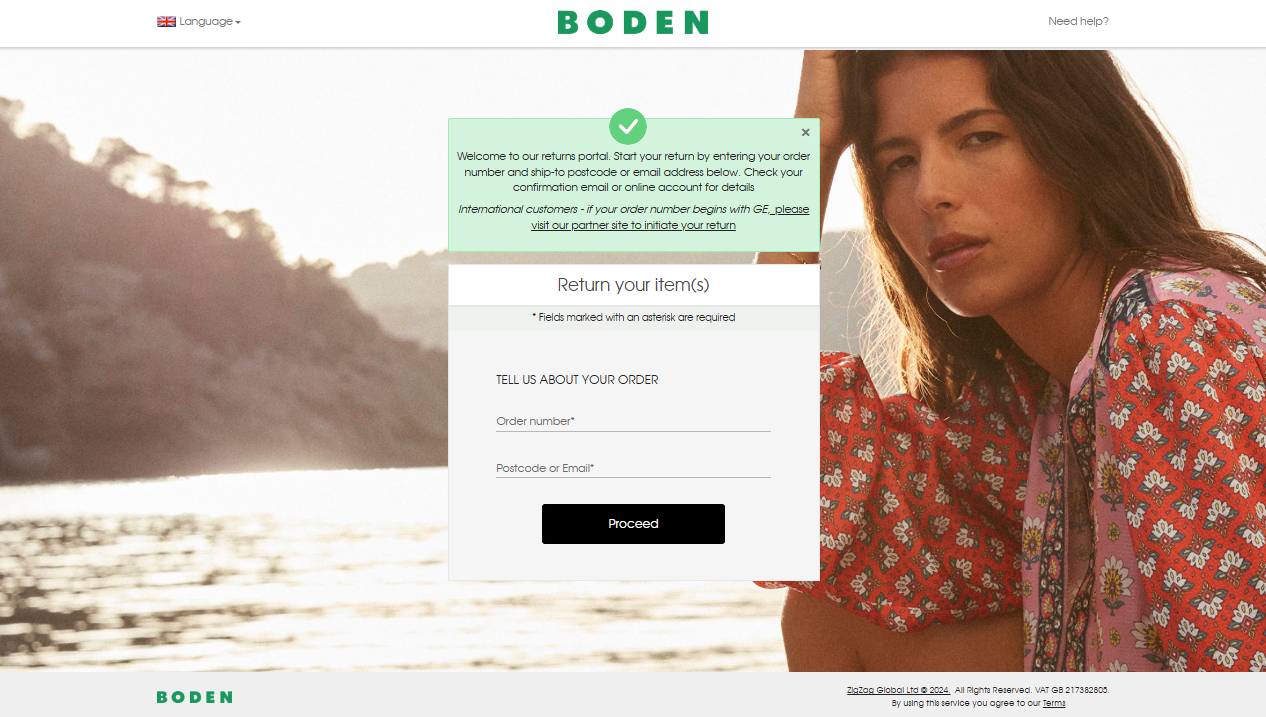
Boden is the proof. The British clothing brand came to ZigZag with well-established direct contracts across its main markets, built on years of high volume and a strong reputation in the industry.
ZigZag did not ask them to tear those up.
Our platform is carrier-agnostic, which means that Boden was able to keep every relationship that was already working and layered ZigZag's network on top for the markets where they needed more options.
Colin Dawes, Head of Logistics at Boden, described how the team brought over their existing direct contracts without any friction.
In the markets where Boden did not have deals in place, ZigZag stepped in with strong alternatives and genuine depth of coverage.
And then the US lane proved just how valuable that depth really is.
On the same day, Boden went live with ZigZag, their existing US returns partner, Pitney Bowes, suddenly stopped operating.
No warning. No transition period. Just gone.
Within three days, ZigZag had Boden running with a new US carrier at half the cost of what they had been paying before.
That is the difference between a carrier contract and a carrier network.
Boden’s Head of Logistics Colin Dawes commented, “And the US lane is a brilliant example. On the day we switched to ZigZag, our US returns carrier partner, Pitney Bowes, were unable to continue operating and we were forced to look for an alternative. Within 3 days we were set up with one of ZigZag’s US partners, at half the price of the quoted carriage fee from our previous returns solution.”
Untangling cross-border returns
Lands' End had a returns process that belonged to a different era. Labels came in the box. Refunds took too long.
UK customers had no carrier provided at all and were expected to sort out their own postage.
It does not take much imagination to see how that played out: frustrated customers, lost returns, and a support team drowning in queries.
ZigZag set up grading services at a consolidated warehouse in Germany, so returns from European customers could be inspected and assessed locally before making the trip back to the UK.
The whole operation moved from paper to digital. The team at Lands' End described the transition as smooth, and the savings were substantial.
On top of that, ZigZag brought in early fraud detection, full data visibility, and a much wider range of carrier options than Lands' End had ever worked with.
ZigZag's network delivered better rates than Corston could negotiate on its own, and the platform's expertise in customs handling took a complicated, manual process and made it manageable.
Corstons's Customer Experience & Strategic Project Support, Emily Collett confirmed, “It is great to be able to take advantage of the cheaper rates ZigZag is able to command. We originally had higher rates for some lanes but the ZigZag carrier team were able to procure some great rates through further negotiations. It has helped us reduce the costs of getting goods back substantially in some areas.”
Book a demo with ZigZag
Happy Returns Services with ZigZag
Happy Returns offers one core service through ZigZag: the Returns Bar drop-off. But that single service packs in a lot.
Drop-off to Returns Bar (Box-Free, Label-Free)
The customer visits any of the 10,000+ Returns Bar locations across the US and presents a QR code generated through ZigZag's returns portal.
That is the only thing they need to bring. No box, no tape, no printed label.
Staff at the Returns Bar scan the QR code, check the item against the return order, and verify everything matches.
Once confirmed, the item is sealed into a labelled polybag or tote and tracked from that moment forward. The refund triggers immediately, so the customer leaves knowing their money is on its way back.
This matters for two reasons. First, it removes every piece of friction that usually makes customers delay or abandon a return.
No hunting for a box. No wrestling with a printer. No queueing at a post office.
Second, the in-person verification means you can trust what is coming back.
Staff confirm the item matches the order before it ever enters the returns chain, which reduces fraud and gives you the confidence to issue instant refunds.
Behind the scenes, returns from all retailers at a location are consolidated and shipped together to the nearest Happy Returns processing hub.
At the hub, items are sorted by retailer, boxed, palletised, and dispatched. That consolidation model keeps per-item shipping costs low and simplifies the logistics.
For UK brands, Happy Returns handles the domestic US piece.
ZigZag can then coordinate consolidation to move returned product back across the Atlantic where needed, so you get a local experience for your customer and efficient cross-border logistics on the backend.
What Markets Can You Get Returns Back from Through Happy Returns and ZigZag
United States
Ten thousand drop-off points. Three processing hubs. 80% of American consumers are within 10 miles of a Returns Bar.
But coverage alone is not what makes the US market so important for retailers to get right.
This is the world's largest e-commerce market, and American consumers have been trained by years of generous returns policies to expect the process to be fast, free, and painless.
Shoppers will try multiple sizes, keep what fits, and send the rest back without thinking twice.
That behaviour means two things for you.
First, if your returns process adds friction, whether that is a confusing portal, an expensive label, or a long wait for a refund, you will lose that customer to a competitor who makes it easier.
Second, the volume of returns flowing through the US market is high enough that even small per-item savings add up to significant numbers over the course of a year.
For UK retailers, the challenge has always been giving American shoppers a returns experience that feels local.
Asking a customer in Chicago to ship a parcel internationally is not going to work.
Happy Returns through ZigZag solves this by keeping the customer-facing piece entirely domestic. Your shopper walks into a Returns Bar, hands over the item, and gets their refund. The cross-border element is handled behind the scenes by ZigZag's consolidation and routing.
UPS's $455 million acquisition of Happy Returns in 2023 signals where the market is heading.
Box-free, label-free, instant-refund returns are becoming the expectation, not the exception.
United Kingdom
Happy Returns is a US-only service, but many of the retailers plugging it into ZigZag are headquartered in the UK and selling to American customers.
The UK itself is one of the most developed e-commerce markets in the world.
Tens of millions of consumers buy online regularly, and British shoppers are particularly demanding when it comes to the post-purchase experience.
ZigZag's own research found that more than half of shoppers will abandon a purchase entirely if the returns policy does not meet their expectations. That is not a nice-to-know statistic.
That is lost revenue sitting on the table because of a policy page.
Fashion drives a huge share of UK online retail, and return rates in clothing regularly sit above 20%.
Retailers like ASOS, New Look, and Marks and Spencer have all invested heavily in making returns effortless, which means any brand competing in this space needs to match that standard or risk losing ground.
Post-Brexit trade rules have added another layer of complexity.
The UK now sits outside the EU single market and customs union, which means cross-border returns between the UK and Europe involve customs declarations, duties, and additional paperwork.
For retailers selling into both markets, having a returns partner that understands these processes and can route returns efficiently across borders is not a luxury. It is a requirement.
UK consumers are also paying closer attention to sustainability.
A returns process that cuts out unnecessary paper labels and consolidates shipments to reduce transport sits well with shoppers who factor environmental responsibility into their purchasing decisions.
Does Happy Returns Offer Paperless Returns
Yes. In fact, Happy Returns is paperless by design. The entire Returns Bar model was built around the idea that a customer should never need to print anything or find any packaging.
A QR code on a phone is all it takes.
What Are Paperless Returns?
Paperless returns remove the printed label from the process entirely.
Instead of downloading a PDF, finding a working printer, and taping a label onto a box, the customer gets a QR code or barcode on their phone after starting the return through the retailer's portal.
They show this code at the drop-off point, and the system handles the rest.
Happy Returns goes a step beyond most paperless services by also removing the need for a box. The shopper brings the item, nothing else.
Staff at the Returns Bar take care of packaging, verification, and tracking.
Why Customers Want Paperless Returns
Picture this. A customer wants to return a pair of shoes. They go to your returns portal, fill in the details, and then see the message: "Print your label and attach it to your parcel."
Now they need to find a printer. Except they do not own one. Or the ink is out.
Or they are on their phone, and there is no way to print from it. So they email the label to themselves, planning to print it at work tomorrow.
Tomorrow comes and goes. A week later, the shoes are still sitting in the corner, and the customer is getting annoyed.
Every step you add to the returns process is a step where the customer might give up, delay, or pick up the phone to call your support team.
A QR code on a phone eliminates all of that. Start the return. Get the code. Drop it off. Done.
Why Retailers Should Want Paperless Returns
The benefits go beyond keeping your customers happy, though that alone would be worth it.
Removing A4 sheet paper labels from the process means less physical waste, which supports your sustainability goals and resonates with shoppers who care about environmental impact.
It also eliminates one of the most common causes of failed returns: lost, damaged, or incorrectly printed labels that create confusion at the drop-off point and generate customer service contacts.
The bigger operational win is visibility. Every QR code scan creates a digital tracking event.
That means you can see exactly where each return sits in the process, from the moment the customer hands it over to the moment it reaches your warehouse.
No more guessing. No more manually reconciling shipments. Just a clear, real-time picture of every return in motion.
How ECCO Transformed Its Returns with Paperless
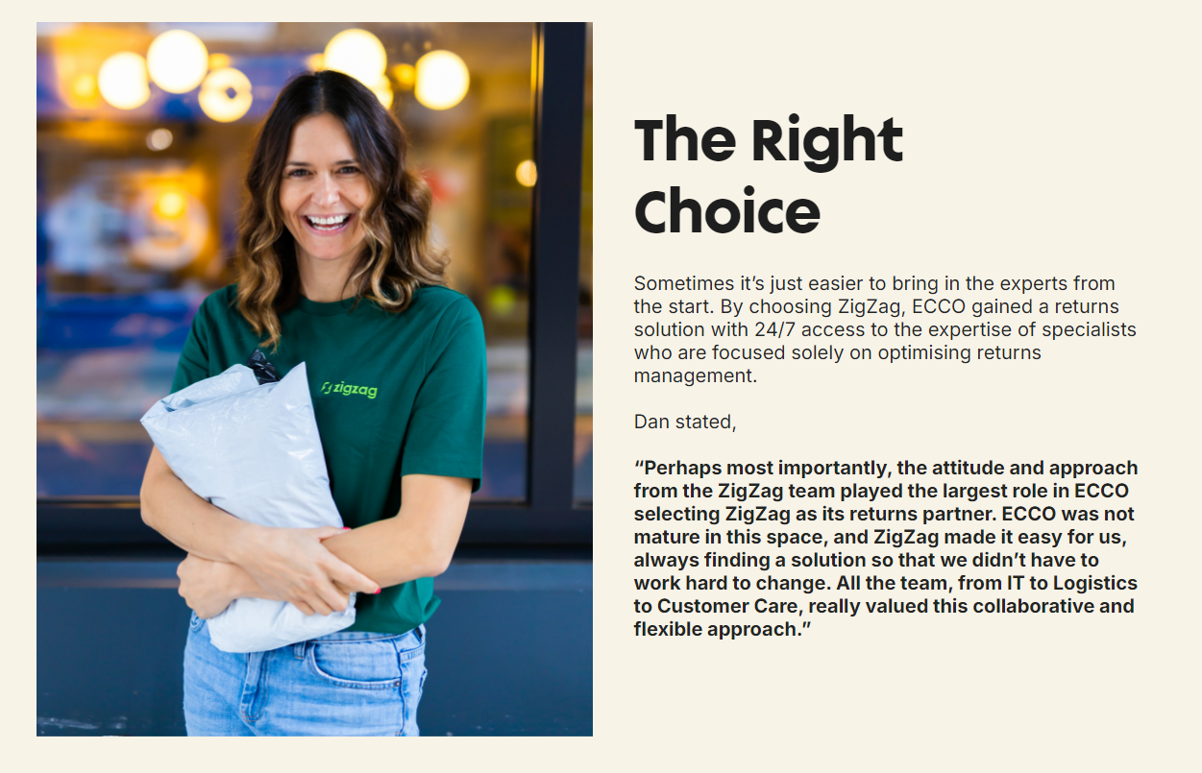
ECCO, the Danish footwear brand, shows what happens when a retailer moves from an outdated paper process to a digital one.
Before ZigZag, ECCO used a label-in-the-box system. Customers lost the label, had no way to track their return, and did not believe the process was actually working.
The result was predictable: customer care contacts piled up as shoppers chased updates on refunds they could not track.
After switching to ZigZag's digital returns portal, roughly half of all ECCO's returns now go through a paperless process.
The brand went from zero visibility over its e-commerce returns to complete visibility across every single one. Returns savings doubled.
Customer care contacts dropped significantly. That is the difference between a process built on paper and one built on data.
The Importance of Having Plenty of Carriers for Returns
Sticking with a single carrier for returns might feel like the simpler option. One contract, one relationship, one set of tracking numbers. But that simplicity is deceptive, and it tends to unravel at the worst possible moment.
Protection Against Delays and Disruptions
A carrier strike sounds like something that happens to other people, right up until your only returns carrier announces industrial action during peak season.
Suddenly, every return in your pipeline is stuck, your customers are waiting for refunds that are not coming, and your support team is fielding calls they cannot resolve.
This is not hypothetical. During the pandemic, carriers were hit at different times as workforces fell ill or went into isolation.
Retailers with a single carrier option had no way to reroute.
Those with access to multiple carriers through a platform like ZigZag could switch to an alternative, sometimes within 24 hours, and keep returns flowing.
Choice and Flexibility for Customers
Your customers do not all return items the same way, and they should not have to. A working parent might want to drop off at a shop during the school run.
A student might prefer a parcel locker that they can access at midnight. Someone with mobility challenges might need a home collection.
And an American shopper might want the ease of walking into a Returns Bar and handing something over with no packaging at all.
When you offer a range of return methods, you meet each of these customers on their terms.
ZigZag's data tells a clear story here: home collection usage grew by 77% during peak season in 2023 to 2024, and locker drop-offs increased by 68% over the same period.
Shoppers are not just accepting more options. They are actively choosing them.
Protection Against Carriers Going Out of Business
This is the risk that nobody plans for until it happens. A carrier goes into administration. A contract ends without notice. A provider stops operating overnight.
Boden lived through exactly this scenario. On the day they switched to ZigZag, their US returns carrier, Pitney Bowes, went dark. No transition, no warning.
If Boden had been locked into a single-carrier setup, their US returns would have stopped completely.
Instead, ZigZag had them running with a new US partner within three days, at half the cost of the old arrangement.
That is the value of a network with 1,500 carrier services built in. You are never relying on one provider staying in business to keep your returns alive.
For a deeper look at why this matters, ZigZag has published a detailed blog post on why offering multiple carriers and return methods is essential for retailers.
Go Live with ZigZag and Happy Returns
Imagine this. Four weeks from now, your US customers are walking into a Returns Bar, handing over their items, and getting refunds confirmed before they reach the car park.
Your returns data is flowing into a single dashboard. Your support team has stopped fielding "where is my refund" calls. And your cross-border logistics are running through a carrier network that adjusts automatically to give you the best rate and fastest route.
That is not a distant ambition.
Boden went from the first conversation with ZigZag to fully live in around 32 days. ECCO completed their rollout within a few months.
The implementation process is designed to move fast without loading your team with heavy technical work.
Once you are live, you get access to the full Returns Bar network across the United States, alongside ZigZag's complete returns toolkit: a customisable portal, detailed analytics on why products are being returned, paperless options, and the flexibility to offer paid returns, exchanges, or store credit.
ZigZag brings carrier routing across 170 countries, rates that protect your margins, and the data to understand what is driving your returns so you can start reducing them.
Ready to see it working? Book a demo with ZigZag to find out how Happy Returns can fit into your returns strategy.
By clicking “Accept All Cookies”, you agree to the storing of cookies on your device to enhance site navigation, analyze site usage and assist in our marketing efforts. More info
By clicking “Accept All Cookies”, you agree to the storing of cookies on your device to enhance site navigation, analyze site usage and assist in our marketing efforts. More info
.svg)

.svg)
.svg)
.svg)
.svg) Returns
Returns.svg) Returns Solution
Returns Solution Returns Solutions
.svg) Rating (4.8)
Rating (4.8) Reviews400+
.svg)

 Return arrived at ZigZag Returns Hub

 Returning remaining items
.svg) Join our mailing list
Join our mailing list


.svg)





%20(5).svg)

.svg)

.svg)


.svg)
%20(2).svg)
.svg)





.svg)
.svg)
.svg)


.svg)