What Are Reverse Logistics & How To Optimise Them In E-Commerce? [2026]
Are you wondering what reverse logistics are in e-commerce and how you can optimise them for your e-commerce store in 2026?
Are you wondering what reverse logistics are in e-commerce and how you can optimise them for your e-commerce store in 2026?
In this guide, I’ll explain the core process of reverse logistics, why it matters for retailers in the UK, how it works, and then provide you with a few practical tips from our arsenal on how to optimise reverse logistics to offset costs in the long term.
Key Takeaways
Reverse logistics covers everything that happens after a product is returned, including refunds, repairs, refurbishment, recycling, disposal, and resale.
Returns are costly (often 2 or 3 times the cost of outbound fulfilment) and heavily influence customer loyalty.
Key improvements include setting up a self-service returns portal, creating a clear returns policy, and building a structured returns hub for inspection and restocking.
Using return-reason and SKU-level data can help you identify top return drivers, fix product issues, and reduce future return rates.
Offering flexible and sustainable return options (e.g., lockers, kiosks, returnless refunds, store credit, paid returns) can help you boost customer satisfaction while offsetting operational costs.
ZigZag Global stands out as the top reverse logistics platform thanks to its customisable returns portal, international returns hub network, rich analytics, flexible return options, and ability to significantly reduce costs while improving the post-purchase experience.
What are reverse logistics in e-commerce, and how do they work?
Reverse logistics is everything that happens after a customer decides a product is coming back, including returns, repairs, refurb, recycling, warranty claims and disposal of the goods.
It’s a business operation that converts returned goods into refunds, resales, repairs or responsible disposal: all while trying to protect margins and customer experience.
Here’s how reverse logistics work:
Returns: Managing products that customers send back because of defects, incorrect shipments, or simply a change of mind.
Repairs and refurbishment: Defective or damaged products often go through repair, remanufacturing, or refurbishment to make them suitable for resale.
Recycling and disposal: For items that can’t be repaired or resold, reverse logistics manages responsible end-of-life processing.
Resale: Returned items in good condition, as well as overstock or seasonal leftovers, can be resold through various channels.
➡️ Imagine a fast fashion retailer receiving a high volume of returns from customers who ordered multiple sizes to try on at home.
Their reverse logistics process would involve collecting those items, inspecting them for wear, steaming or repackaging them, and quickly restocking them so they can be resold before the season changes.
Why are reverse logistics important in e-commerce?
The 2 main reasons why reverse logistics are important for e-commerce retailers are the costs associated with it (handling returns can be 2–3× the per-unit cost of outbound fulfilment if inefficient) and customer experience (not losing the customer long-term).
A painless return process would not only help you offset logistics costs but would also help you improve your post-purchase customer experience.
How can you optimise your reverse logistics in e-commerce?
Here are 5 tips on how you can optimise your returns logistics based on my experience on what I’ve seen work best in the industry:
#1: Set up a self-service returns portal
First things first: setting up a self-service returns portal will let your customers initiate returns, exchanges, or refunds without needing to contact your customer support.
A good returns portal will help consumers generate return labels, select their preferred drop-off option, and provide them with real-time return status updates.
As for retailers, returns portals will help you reduce manual workload, minimise errors, and speed up return authorisation.
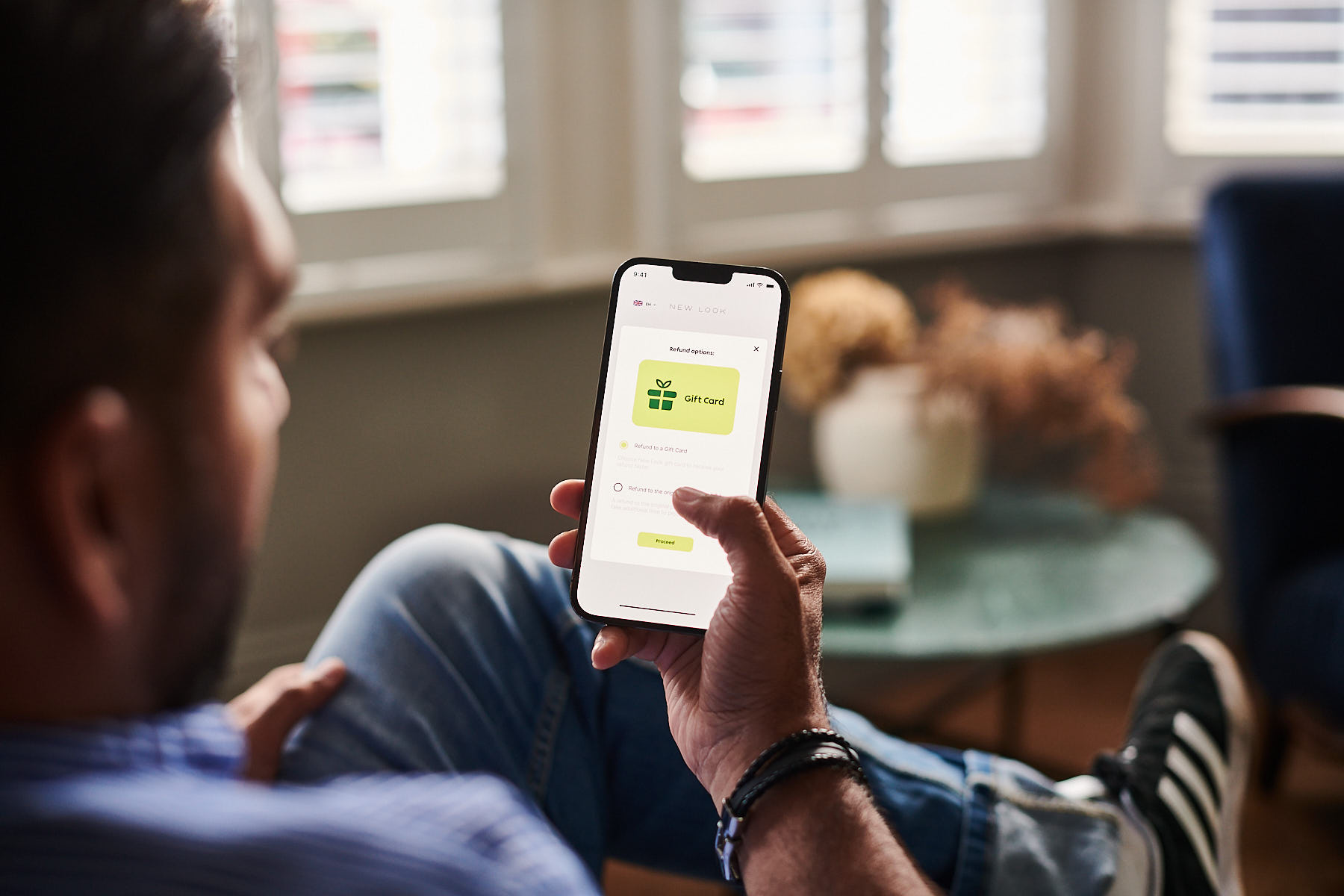
ZigZag Global offers a customisable returns portal that can let you adapt various new return options (such as a gift card, exchange, or cash refund) depending on customers’ reasons for returning and change returns rules.
Get a feel of how ZigZag’s platform works in our guided demo: 👇
#2: Create a clear returns policy
Next up, you want to clearly define a clear return policy to remove uncertainty for consumers and set reasonable expectations that protect your margins.
A short, scannable policy on product pages and checkout.
Offers clear return windows, accepted conditions (e.g., unworn, tags, hygiene rules), and the refund timeline.
Mentions of return options (refund, exchange, store credit, in‑store drop‑off) and any fees that will be incurred.
After you figure this out, you want to publish a one‑paragraph headline policy on product pages and a full policy linked at checkout.
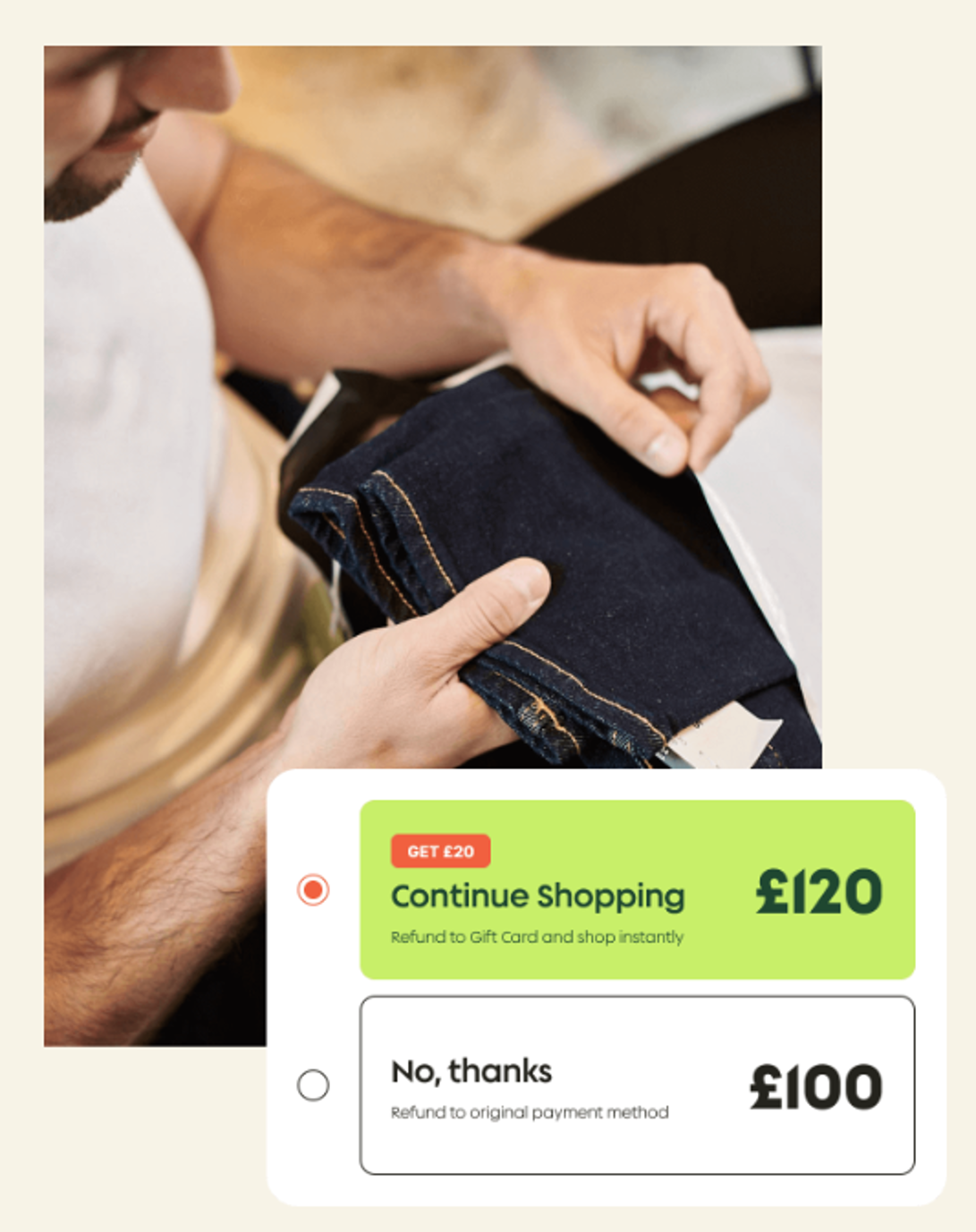
💡 If I were you, I’d offer at least two alternatives to a standard refund (e.g., exchanges and return to store credit) to keep revenue in the business.
For example, our research also found that more than half of consumers considering a return will accept a gift card (57%).
#3: Set up a returns hub for return consolidation, inspection and processing
The next step is to streamline inspecting, grading, and restocking returned inventory.
The goal here is to turn returns into recoverable inventory quickly and consistently while preventing fraudulent or unsellable stock from re-entering your stores.
You want to have:
Clear SOPs for inspection, grading (e.g., new, minor fault, damaged), and disposition (restock, refurb, liquidate).
A dedicated returns area that keeps returned inventory separate from your regular stock.
Your brand can outsource this time-consuming task to ZigZag’s Returns Hub, which captures structured return reason and condition data at the point of request, so that warehouse teams receive the correct disposition instructions with each parcel.
ZigZag Global's Returns Hub is a strategically located facility in Germany designed to manage and optimise the returns process for merchants with international operations.
Here’s what you can expect:
Validation & Grading: You’ll be able to confirm the return item faster at the early stage of the logistics process, check the condition and optimise the consolidation.
Consolidation & Over-labelling: Your brand can offset the cost of returns with competitive rates for parcel logistics and/or apply new labels for redirection.
Unintended Returns Processing: Handle undeliverable items returned as incorrect or unsuccessful deliveries with complete visibility of the return journey for each consumer.
Reporting & Customs Clearance: Ensure proper documentation for international and cross-border returns.
💡 ZigZag’s warehouse has received approval from the German authorities for simplified customs clearance for same-day processing.
#4: Use data to identify and fix top return drivers
For many retailers, the majority of returns come from a small set of SKUs or similar issues, which is why capturing structured “return reasons” is essential.
I’d recommend you choose a returns management software that’ll give you access to SKU-level insights, so that you can fix sizing charts, improve product descriptions, and eliminate manufacturing defects.
Over time, this will help you lower logistics costs and protect your margins.
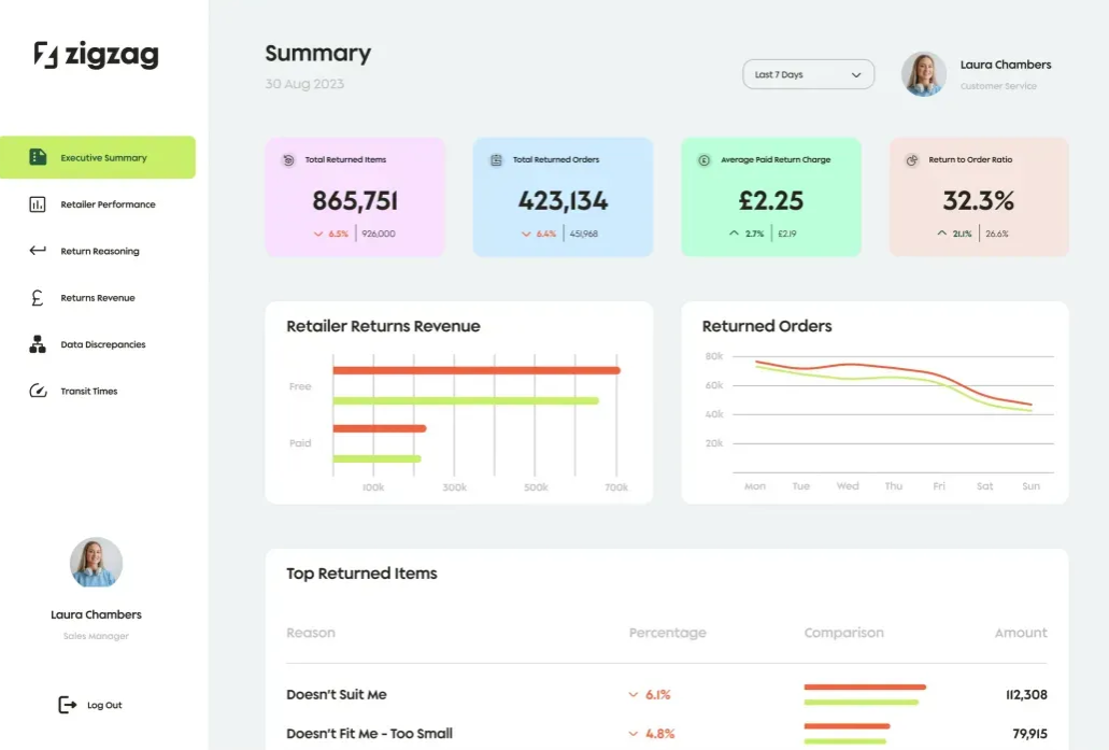
➡️ You can use ZigZag’s Returns Reporting Hub to get data on why customers return products, transit times, and access to a data discrepancy dashboard.
💡 You can also use the analytics from the Returns Reporting Hub to prioritise inspection workflows on products with high return rates or suspected defects.
#5: Offer flexible drop-off and sustainable return options
Customers appreciate having a choice when it comes to returns, including returning to lockers, parcel shops, couriers, or receiving returnless refunds for low-value items.
Adding paperless returns and reusable packaging can also strengthen your sustainability credentials.
Other customers, instead of demanding a cash refund, might want to get in-store credit instead of a full refund.
You might also offer the option for free returns to make it as affordable and hassle-free for them as possible.
➡️ ZigZag lets you offer free in-store returns via in-store drop-off kiosks that are hassle-free for your shoppers to use in your store.
Apart from this, we offer in-store kiosks that can help you slash shipping costs, and boost foot traffic to your physical location.
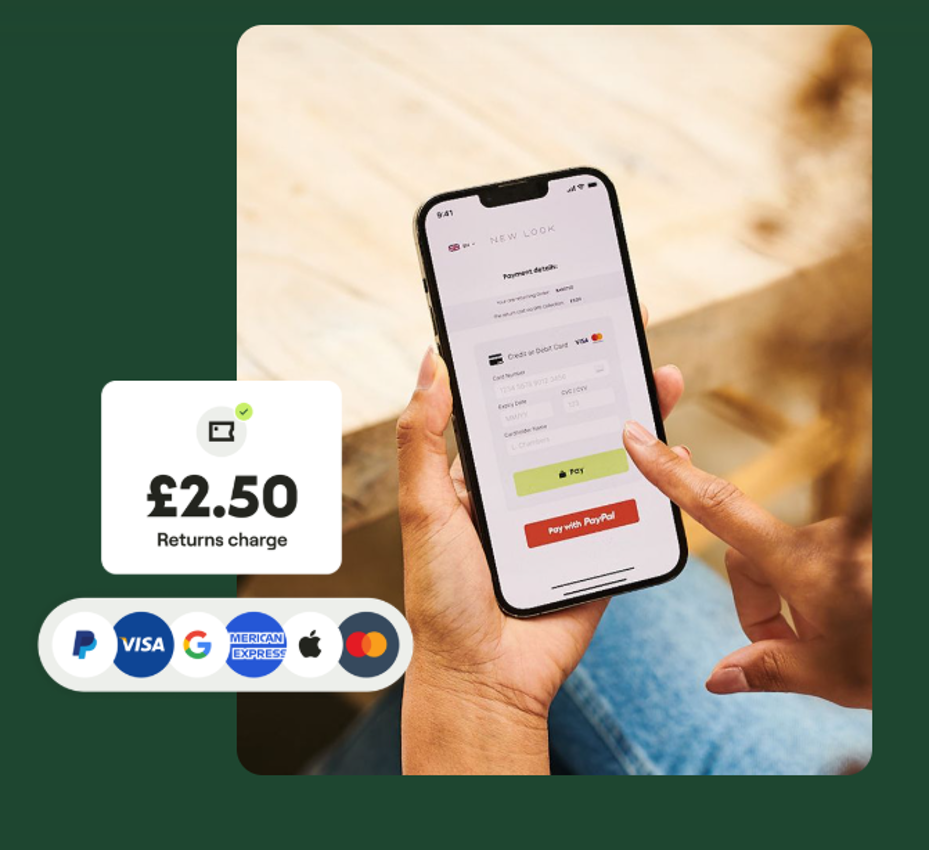
Last but not least, you can consider offering a paid return option: a way for consumers to help you offset your return costs by paying for their returns.
Paid returns have recently become a trend as a means to battle wardrobing and staging in the UK, with what I believe to be a very positive adoption in recent years.
Turn reverse logistics from a cost centre into a strategic channel with ZigZag Global
Built for merchants who operate globally, ZigZag offers an all-in-one returns management and reverse logistics platform that is designed to take over any online store’s post-purchase experience.
If you’re an e-commerce leader looking for a returns management platform that offers:
A customisable returns portal that can be personalised to your shoppers.
Wide range of return options, such as paid returns, return to store credit, and return to gift card.
Access to detailed analytics and reports on what drives consumers to return products.
Then you can book a demo to learn more about ZigZag Global.
By clicking “Accept All Cookies”, you agree to the storing of cookies on your device to enhance site navigation, analyze site usage and assist in our marketing efforts. More info
By clicking “Accept All Cookies”, you agree to the storing of cookies on your device to enhance site navigation, analyze site usage and assist in our marketing efforts. More info
.svg)

.svg)
.svg)
.svg)
.svg) Returns
Returns.svg) Returns Solution
Returns Solution Returns Solutions
.svg) Rating (4.8)
Rating (4.8) Reviews400+
.svg)

 Return arrived at ZigZag Returns Hub

 Returning remaining items
.svg) Join our mailing list
Join our mailing list


.svg)





%20(5).svg)

.svg)

.svg)


.svg)
%20(2).svg)
.svg)





.svg)
.svg)
.svg)


.svg)