After Checkout is the New Battleground: 7 Statistics Every Retailer Should Pay Attention to in 2026
Customers don’t separate delivery, tracking, returns, and refunds into different departments. They experience one journey.
Over the last decade, I’ve had the privilege of helping retailers transform returns from a cost centre into a strategic advantage. But if there’s one thing I’ve learned, it’s this:
Customers don’t separate delivery, tracking, returns, and refunds into different departments. They experience one journey.
That’s why, following ZigZag’s acquisition of Shipup by ZigZag, we’ve doubled down on a simple belief: the post-purchase experience has become one of the biggest drivers of loyalty, profitability, and competitive advantage in retail.
Our latest research with Retail Economics confirmed just how significant this opportunity is. Here are the seven statistics that stood out to me most.
1. £23.5 billion of online orders suffer from poor post-purchase communication
Let that sink in.
Nearly one in five online purchases involve communication that falls below customer expectations.
This isn’t just a customer experience issue. It’s a revenue issue.
Every unclear update, missing notification, or confusing returns process creates unnecessary support contacts and damages trust.
What retailers should do next: Create a single communication layer across delivery and returns. Solutions like Shipup by ZigZag allow retailers to own the post-purchase conversation with branded, proactive communications rather than relying solely on carriers.
2. 62% of shoppers won’t buy again after a poor delivery experience
Customer acquisition costs continue to rise. Losing a customer after they’ve already converted is incredibly expensive.
The same research found that:
3. 64% of shoppers won’t return after a poor returns experience
For years, retailers have treated returns as an operational necessity. Consumers don’t.
They see returns as a test of trust.
The retailers winning today are making returns easier, faster, and more transparent because they understand that the return experience often determines whether a customer comes back.
What retailers should do next: Invest in self-service returns, real-time tracking, and faster refund journeys. At ZigZag, we’ve seen retailers turn returns into a loyalty driver by giving customers visibility and choice throughout the process.
4. 95% of consumers expect an update within 24 hours when something goes wrong
This statistic didn’t surprise me, but the scale of it did.
Customers understand that problems happen. Parcels get delayed. Refunds take time. Returns require checks.
What they won’t accept is silence.
In fact, many consumers simply want reassurance that the retailer knows there’s an issue and is working on it.
What retailers should do next: Focus on speed of acknowledgement, not just speed of resolution. Proactive notifications through Shipup by ZigZag can dramatically reduce anxiety and prevent a flood of “Where is my order?” or “Where is my refund” enquiries.
5. 42% of consumers expect refunds within hours of dropping off a return
Consumer expectations are racing ahead of operational reality.
Many retailers still process returns in batches, meaning customers can wait days or even weeks for refunds.
That gap between expectation and reality is becoming increasingly dangerous.
What retailers should do next: Build more transparency into the refund journey. Customers are often willing to wait longer if they understand exactly where they are in the process. Returns visibility and automated status updates help bridge this expectation gap.
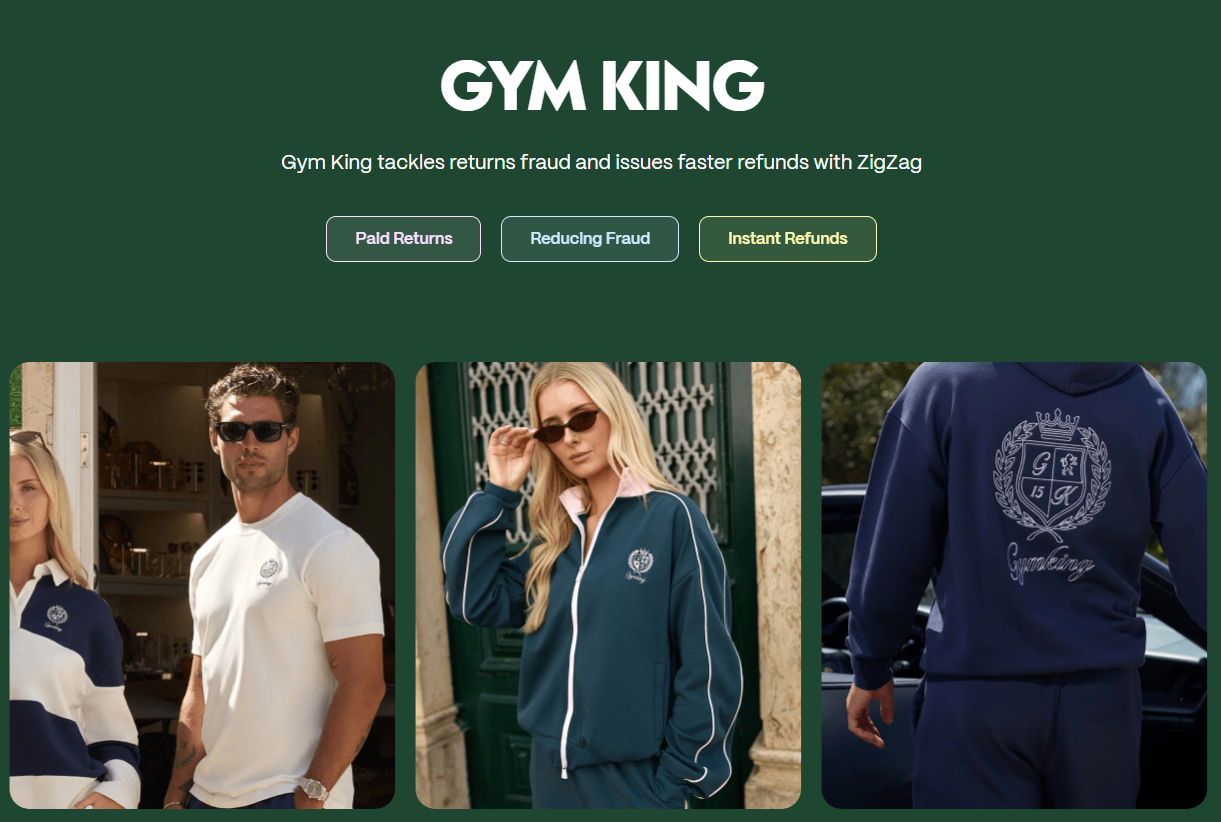
For retailers happy to take on a little extra fraud risk to get consumers refunded sharply, ZigZag recently helped Gym King turn on instant refunds during a tumultuous warehouse move that was impacting operations and thus refund speeds.
6. 11.8% of online orders force customers to rearrange their day or take time off work
This statistic is a reminder that delivery inconvenience has a real-world cost.
On average, customers spent over three hours waiting for deliveries that disrupted their work or personal lives.
Convenience isn’t a “nice to have” anymore. It’s become a competitive differentiator.
What retailers should do next: Give customers more control. Accurate delivery windows, proactive updates, and easy redirection options can significantly reduce customer effort and improve satisfaction.
7. 72% of consumers are more likely to buy when delivery and returns information is clear before checkout
Post-purchase actually starts before the customer clicks “Buy Now.”
Clear delivery costs, returns policies, and refund expectations build confidence and reduce friction later in the journey.
The retailers seeing the strongest conversion rates are setting expectations early and delivering against them consistently.
What retailers should do next: Make delivery promises and returns policies visible and easy to understand. Clarity drives both conversion and loyalty.
The Bigger Picture
The biggest takeaway from this research is simple:
After checkout is no longer an operational function. It’s a commercial growth engine.
As ecommerce growth slows and customer acquisition becomes more expensive, retailers need to maximise the value of every customer relationship they’ve already won.
The brands that own the post-purchase experience, connect delivery and returns data, and communicate proactively will build stronger loyalty, lower support costs, and create meaningful competitive advantage.
At ZigZag and Shipup by ZigZag, we believe the future of ecommerce won’t be won solely on price or product.
It will be won in the moments that happen after the checkout button is clicked.
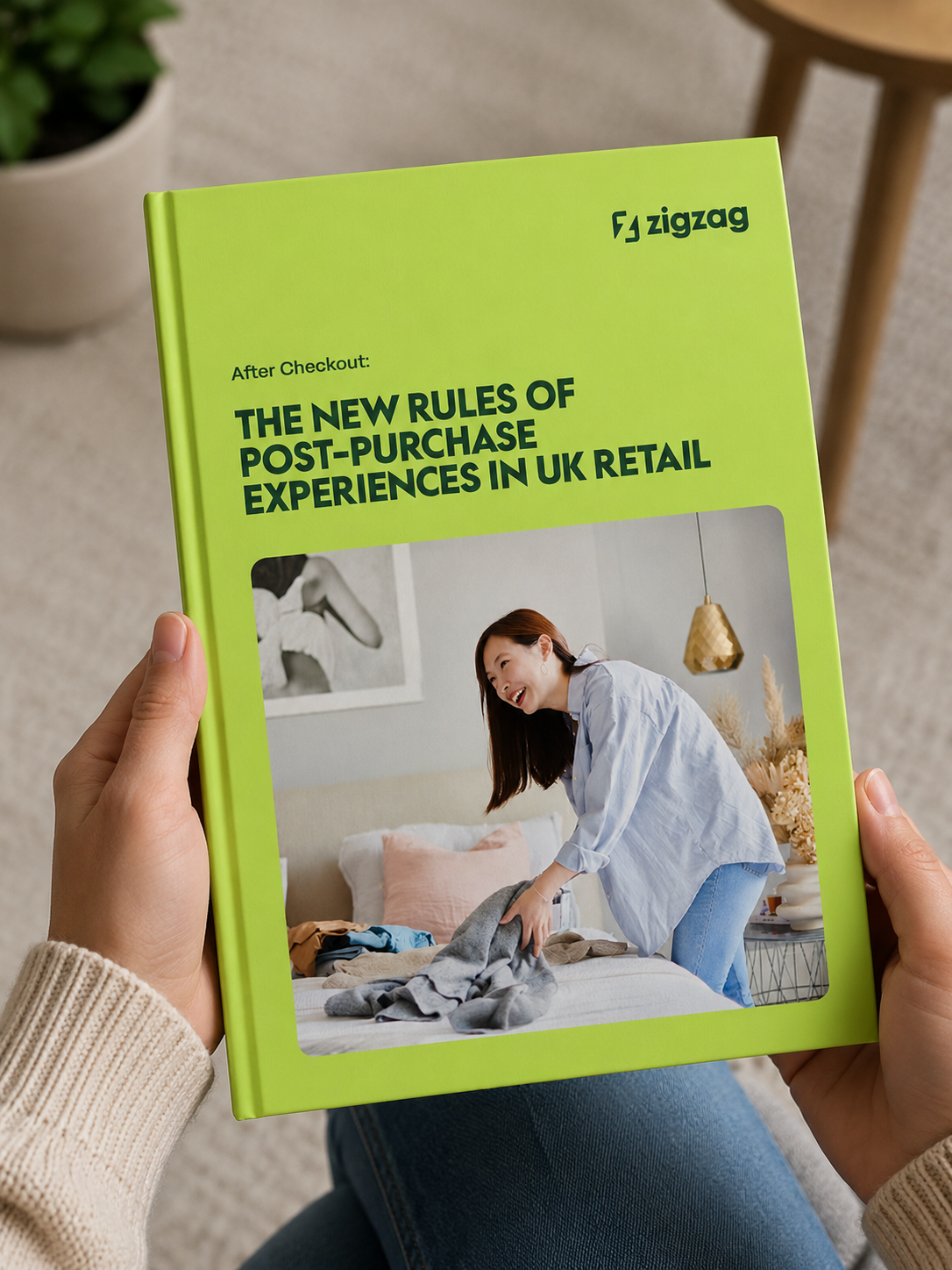
After Checkout: The New Rules of Post-Purchase Experiences in UK Retail
New research from ZigZag and Retail Economics reveals why delivery, returns, and post-purchase communications are now some of the biggest drivers of customer loyalty.
Download the full report of 2,000-surveyed UK consumers to discover:
The five pillars of post-purchase excellence
Six strategic priorities for retailers
Practical actions to increase loyalty and reduce cost-to-serve
By clicking “Accept All Cookies”, you agree to the storing of cookies on your device to enhance site navigation, analyze site usage and assist in our marketing efforts. More info
By clicking “Accept All Cookies”, you agree to the storing of cookies on your device to enhance site navigation, analyze site usage and assist in our marketing efforts. More info
.svg)

.svg)
.svg)
.svg)
.svg) Returns
Returns.svg) Returns Solution
Returns Solution Returns Solutions
.svg) Rating (4.8)
Rating (4.8) Reviews400+
.svg)

 Return arrived at ZigZag Returns Hub

 Returning remaining items
.svg) Join our mailing list
Join our mailing list


.svg)





%20(5).svg)

.svg)

.svg)


.svg)
%20(2).svg)
.svg)





.svg)
.svg)
.svg)


.svg)