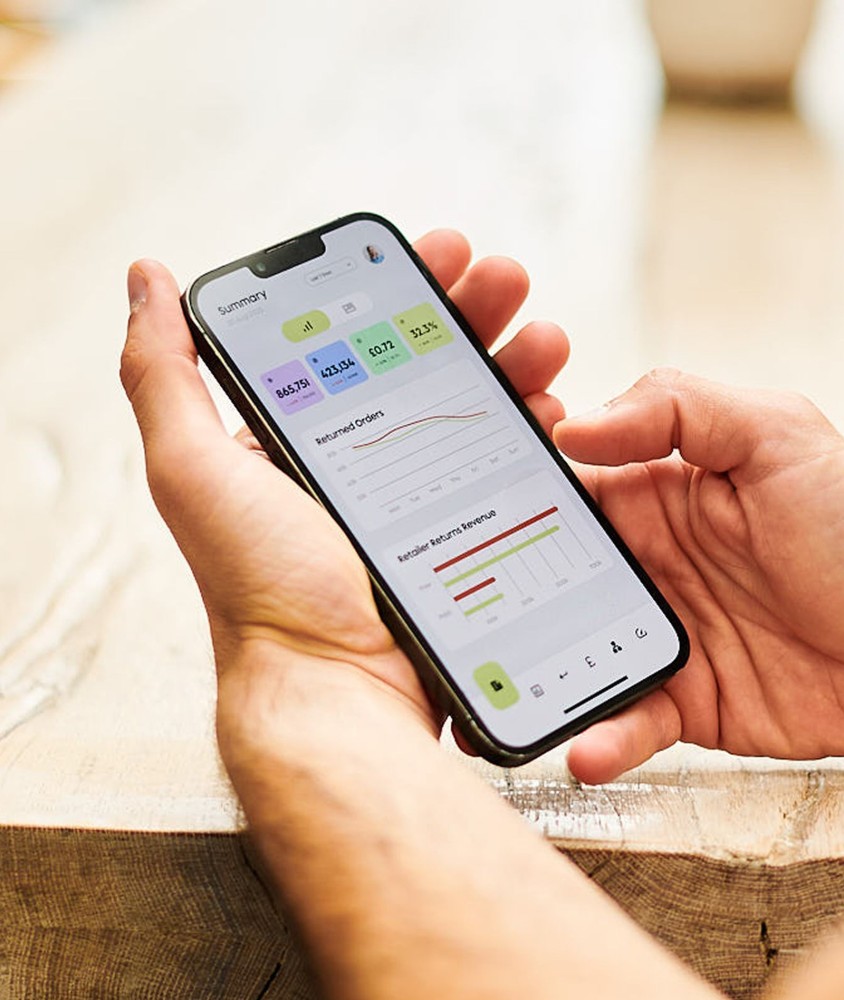
Returns Are Not Just a Software Problem: Why Your Returns Partner Must Deliver More Than Tech
Returns are also a logistics and infrastructure problem: complex, global, and deeply operational.
In the race to improve customer experience and operational efficiency, many retailers have turned to returns platforms promising sleek dashboards, fancy automations, and some flashy features. But there’s a fundamental misconception at play: returns are not just a software problem. They are also a logistics and infrastructure problem: complex, global, and deeply operational.
Software is only one piece of the puzzle. Without the physical infrastructure, carrier network, and operational expertise to execute returns effectively, even the most polished platform will fall short.
The Reality: Returns Are Operationally Complex
Returns sit at the intersection of customer experience, supply chain, and cost control. Every returned item must move across borders, through carrier networks, into warehouses or stores, and back into sellable inventory or disposal streams.
This is not something software alone can solve.
A returns provider that focuses purely on the digital experience may help you initiate returns, but what happens next is where the real value (or cost) is created. Without strong logistics capabilities, retailers risk higher costs, slower processing, and poor customer satisfaction.
What to Look for in a True Returns Partner
Choosing the right returns partner means looking beyond flashy interfaces and feature lists. You need a provider that combines technology with real-world logistics execution and expertise.
Here’s what matters:
1. A Robust and Expansive Global Carrier Network
Your provider should offer access to a wide range of carriers across regions. This ensures:
Competitive pricing
Faster transit times
Flexibility during disruptions
Options for customers wherever they are
A limited carrier network creates bottlenecks and unnecessary costs. A strong partner gives you and your customers options.
2. Multiple Return Methods
Customers expect convenience. Your returns solution should support:
Return to store
Home collection
Drop-off points
Locker returns
Different customers prefer different methods. Offering choice improves satisfaction and increases the likelihood of repeat purchases.
3. End-to-End Logistics Capability
Returns don’t stop at label generation. Your partner should manage:
Cross-border returns
Consolidation and routing
Customs handling
Final-mile delivery back to your facilities
Without this, you’re left stitching together multiple vendors – adding complexity and cost.
4. Fast Refunds and In-Country Validation and Grading
A sign of a partner with a strong logistics infrastructure is its ability to offer fast refunds. Software can’t get goods back quickly on its own.
Your partner should offer:
Reliable and speedy carrier services
Convenient local options
Validation and grading that quickly confirms the return item at an earlier stage of the logistic process and checks the condition
Flawless customs clearance with the proper documentation for international and cross-border returns
"Where is my refund?" is one the most frequently asked questions your Customer Service Team will receive, with most customers getting frustrated after waiting just 5 days for a refund. So, the quicker the refund, the happier the customer.
5. Data, Reporting, and Insight
A strong returns partner doesn’t just move goods, they generate intelligence.
You should have access to:
Return reason analytics
Cost breakdowns
Carrier performance data
Customer behaviour trends
This data is critical for reducing return rates, improving products, and optimising operations.
6. Continuous Development and Expertise
Returns are evolving quickly. Policies, customer expectations, and logistics networks are constantly changing.
Your partner should:
Act as a strategic advisor, not just a vendor
Continuously improve their offering
Bring industry expertise and best practices
A static solution quickly becomes outdated. You need a partner that evolves with you.
7. A post-purchase solution
A truly effective returns solution doesn’t stop at processing the return – it extends into the entire post-purchase experience. This is a critical, and often overlooked, opportunity to engage customers at a moment when their attention is already high.
Your partner should be able to:
Surface relevant promotions and products to customers as they wait for their delivery, retailers can upsell to engaged customers and generate further revenue.
Provide clear, proactive tracking updates to reduce customer anxiety and support queries, while reinforcing trust in your brand.
Collect feedback to assist future customers in purchasing decisions
When done well, this layer doesn’t just support returns – it strengthens relationships, drives repeat purchases and turns a potential point of friction into a moment of value creation.
The Internal Factor: Culture and Leadership
Even with the right partner, success depends on how seriously returns are taken within your organisation.
Too often, returns are treated as a cost centre to minimise, rather than a strategic function to optimise.
Retailers need:
Leadership that prioritises returns as part of the customer journey
Cross-functional alignment between logistics, customer experience, and finance
A willingness to invest in long-term improvements
When returns are owned strategically, they become a lever for growth – not just a cost to control.
The Bigger Picture: Returns Drive Customer Retention
A poor returns experience can lose you a customer. A great one can win loyalty for life.
Customers remember a bad experience. In fact, 80% of customers would by unlikely to shop with a retailer again after suffering a poor returns experience. A much of that discomfort comes from things outside of the software’s control, from carrier performance to receiving a slow refund.
Getting returns right directly impacts retention, lifetime value, and brand perception.
Spend to Save, and Even Earn
There’s a common hesitation to invest in returns. But the reality is clear: underinvesting costs more.
A strong returns solution can:
Reduce logistics costs through optimisation and improved carrier rates
Lower return rates with better insights
Recover value from returned goods faster
Save the sale through exchanges and refunding to store credit
Improve customer retention and repeat purchases
In many cases, it doesn’t just save money, it generates it.
Final Thought
If you’re evaluating returns providers, don’t be distracted by software alone. Technology matters, but execution matters more.
Returns are physical, global, and complex. Your partner needs to reflect that reality.
Because in the end, the retailers who win aren’t the ones with the flashiest platform – they’re the ones who can move products efficiently, serve customers seamlessly, and turn returns into a competitive advantage.
If you are interested in exploring a returns partner that is more than just its software, grab a demo with ZigZag today.
By clicking “Accept All Cookies”, you agree to the storing of cookies on your device to enhance site navigation, analyze site usage and assist in our marketing efforts. More info
By clicking “Accept All Cookies”, you agree to the storing of cookies on your device to enhance site navigation, analyze site usage and assist in our marketing efforts. More info
.svg)

.svg)
.svg)
.svg)
.svg) Returns
Returns.svg) Returns Solution
Returns Solution Returns Solutions
.svg) Rating (4.8)
Rating (4.8) Reviews400+
.svg)

 Return arrived at ZigZag Returns Hub

 Returning remaining items
.svg) Join our mailing list
Join our mailing list


.svg)





%20(5).svg)

.svg)

.svg)


.svg)
%20(2).svg)
.svg)





.svg)
.svg)
.svg)


.svg)