How to Import Returned Products Back Into Stock Without Manual Admin
ZigZag's integrations with leading order management, inventory, and warehouse platforms help retailers stay connected.
Every returned product sitting in limbo is revenue you cannot recapture.
It is a unit gathering dust in a warehouse, invisible to your inventory system, unavailable for the next customer who wants to buy it.
And for too many UK retailers, that limbo lasts far longer than it should, because getting a return from "received at the warehouse" to "live and sellable again" still involves a painful chain of manual tasks.
Someone has to log the return. Someone else has to check it against the original order. Another team member creates a Return Merchandise Authorisation (RMA).
Then the inventory count gets updated, the refund is triggered, and the item finally reappears as available stock.
In theory, each of those steps is straightforward. In practice, they eat up hours of admin time, introduce errors at every handoff, and delay the moment a perfectly resalable product can generate revenue again.
The question is not whether you can eliminate returns. They are a structural reality of ecommerce.
The question is whether you can close the gap between a parcel arriving back at your warehouse and that product going live in your inventory, without your team drowning in spreadsheets and manual data entry along the way.
The answer, increasingly, is automation through connected systems.
And that is exactly where ZigZag's integrations with leading order management, inventory, and warehouse platforms come in.
What Automated Restocking Actually Looks Like
The goal is simple: the moment a return reaches a meaningful milestone, whether that is a carrier scan, warehouse receipt, or quality inspection, your inventory and order management systems should update automatically.
No manual data entry. No copy-paste between platforms. No waiting for someone to notice a return has been sitting unprocessed for three days.
This requires two things working together:
First, a returns management platform that captures structured data at every stage of the return journey, from the moment a customer initiates their return through to the final disposition of the product.
Second, integrations that push that data into the systems your warehouse, finance, and operations teams already rely on.
ZigZag is built to be both of those things.
How ZigZag Connects Your Returns to Your Inventory
ZigZag's returns platform does not just manage the customer-facing side of returns, such as the portal, the label, and the carrier selection.
It also acts as the central nervous system for return data, feeding real-time information into the platforms where your team actually works.
Through a combination of webhooks, APIs, and direct integrations, ZigZag ensures that when a return status changes, every connected system knows about it immediately.
Here is how that plays out across four of the most widely used platforms in UK ecommerce operations.
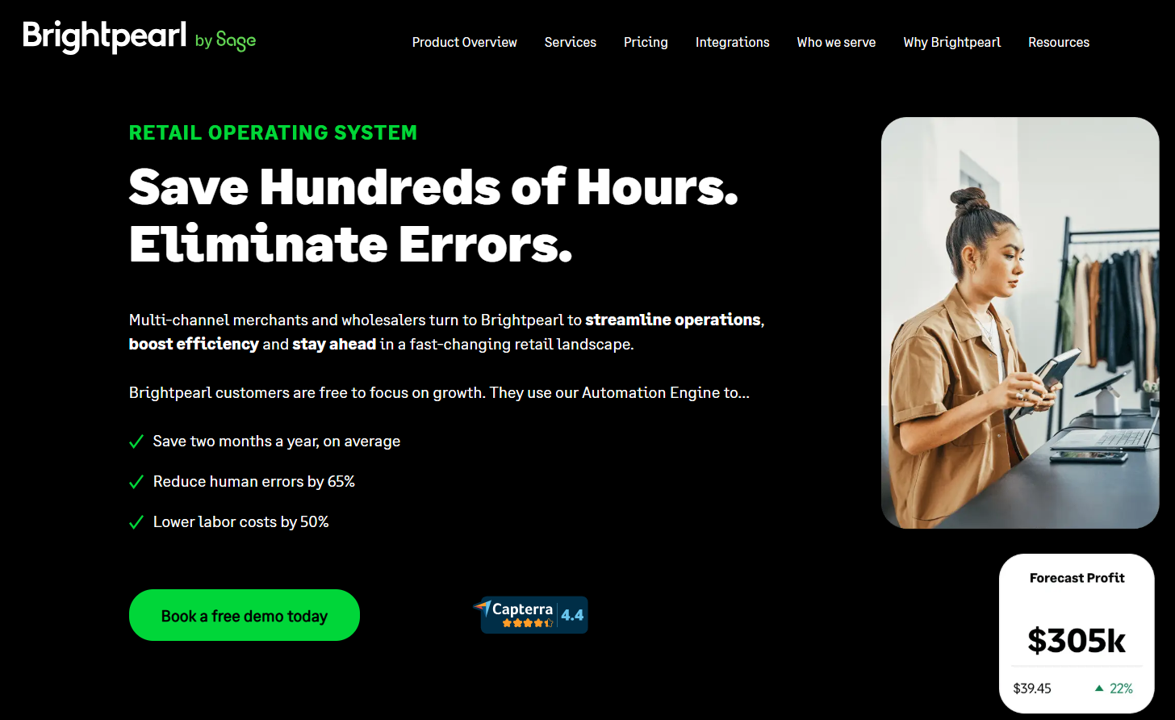
Brightpearl: Automated RMAs and Synced Return Data
Retailers and wholesalers rely on Brightpearl to centralise product listings, streamline fulfilment, and coordinate stock through a single system. It is the operational backbone for brands that sell across multiple channels and need one source of truth for inventory.
With ZigZag integrated, the returns process inside Brightpearl becomes hands-free.
When a customer initiates a return through ZigZag's portal, the integration automatically triggers the workflow inside Brightpearl.
RMAs are created instantly, populated with the return reason, product details, and tracking information that ZigZag has already captured.
Return data flows directly into Brightpearl's system, so inventory counts update without anyone needing to log into a separate dashboard and manually reconcile the numbers.
For multi-channel retailers, this is particularly valuable.
If you are selling on your own website, through marketplaces, and via wholesale, a returned item needs to become available across all of those channels the moment it is cleared for resale.
The ZigZag-Brightpearl integration makes that happen automatically, eliminating the risk of stock discrepancies between channels.
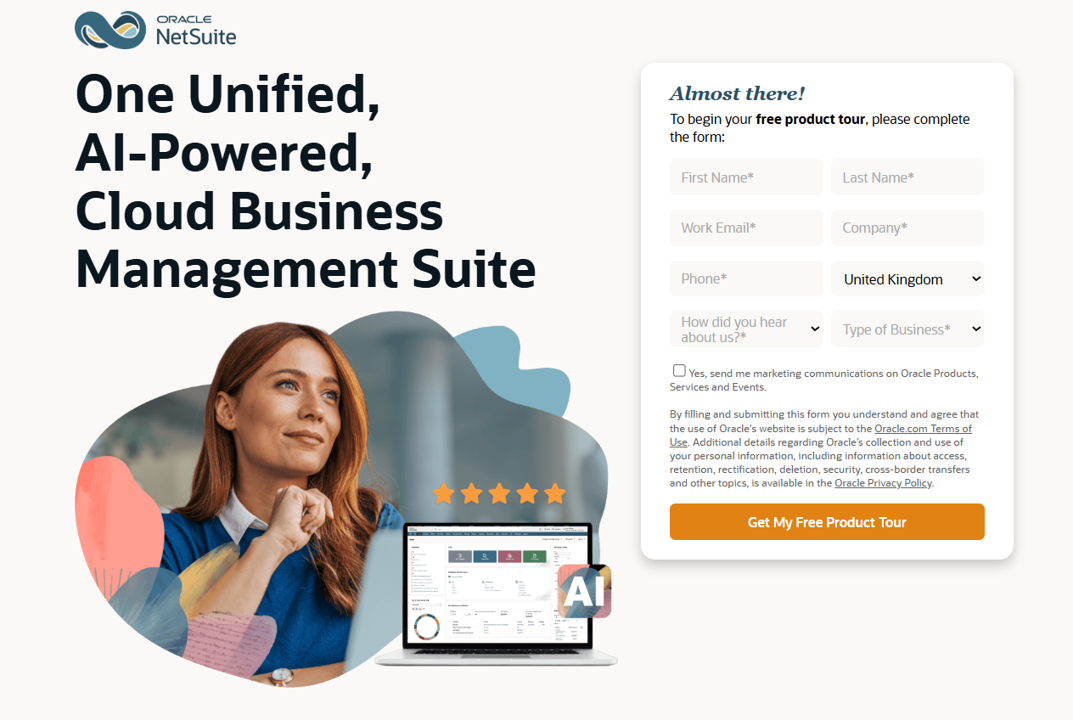
NetSuite: Return Authorisation and Financial Reconciliation
NetSuite users operate in a platform that handles finance, operations, CRM, and services end-to-end.
Returns need to slot into that ecosystem cleanly, both for inventory accuracy and for financial reconciliation.
ZigZag connects to NetSuite through secure webhooks and its "Get Returns" API.
When a return's status changes, whether the parcel has been scanned by the carrier, received at the warehouse, or cleared after inspection, ZigZag's order status change webhook pushes that information directly into NetSuite.
This allows retailers to surface the return authorisation process within the platform they already use, populate the details needed to initiate customer reimbursements, and keep financial records accurate in real-time.
The product-level data ZigZag provides is what makes this integration particularly powerful.
NetSuite does not just get a notification that "a return happened."
It receives granular detail: which specific items were returned, why, in what condition, and at what stage of the journey they currently sit.
That depth of data streamlines financial reconciliation and enhances inventory accuracy at the SKU level, so your stock numbers reflect reality rather than a best guess.
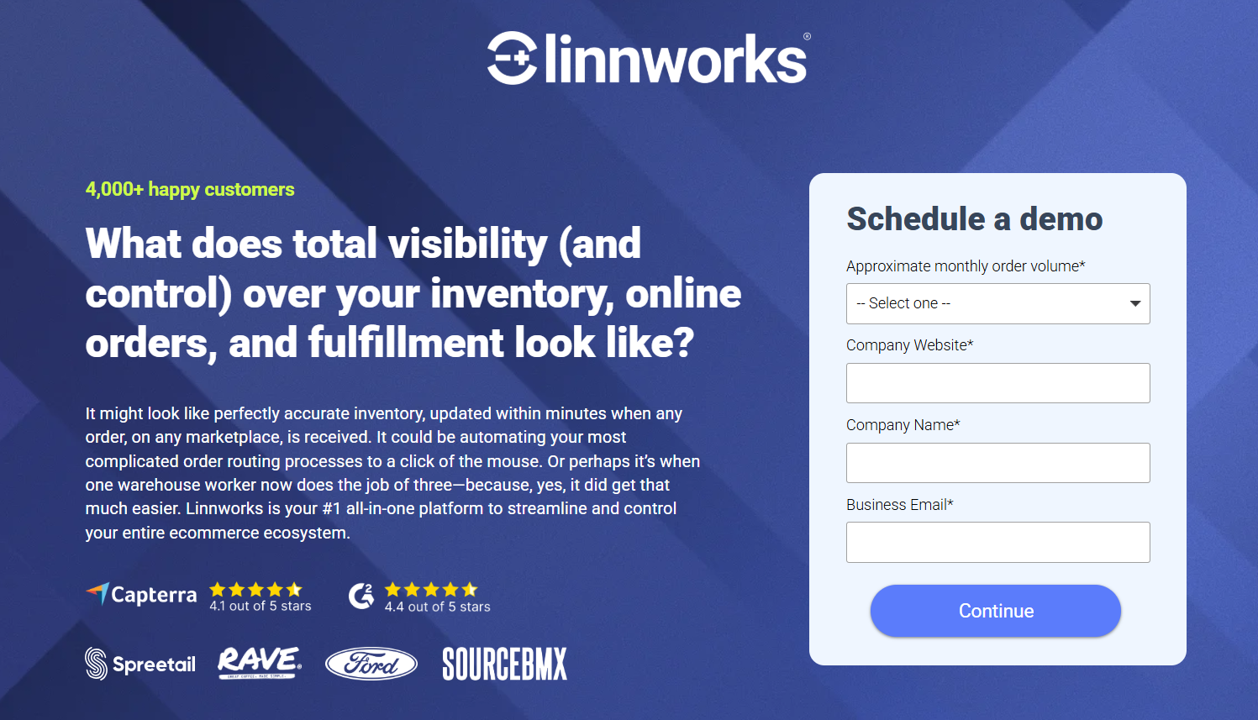
Linnworks: Returns Across Hundreds of Marketplaces
For retailers selling across dozens or even hundreds of marketplaces, Linnworks is the control centre for inventory, orders, warehousing, and shipping.
The challenge with returns in a multi-marketplace environment is that a return initiated on one channel needs to update stock availability everywhere, and that update needs to happen fast.
ZigZag's integration with Linnworks automates exactly this. Return events from ZigZag automatically trigger order updates, verify requests through Linnworks' user registry, and push full return details to create RMAs instantly.
Refunds are automated, workflows are triggered, and the data flows securely between both platforms.
The key word here is "securely." When return data is shared across platforms, it needs to be verified and validated at each step.
The ZigZag-Linnworks integration handles that verification automatically, matching return requests against the original order data in Linnworks before any inventory adjustment or refund is processed.
That built-in validation prevents errors and reduces the risk of fraudulent returns slipping through, which is particularly relevant given that UK retailers lose an estimated £1.3 billion annually to returns fraud, according to Retail Economics.
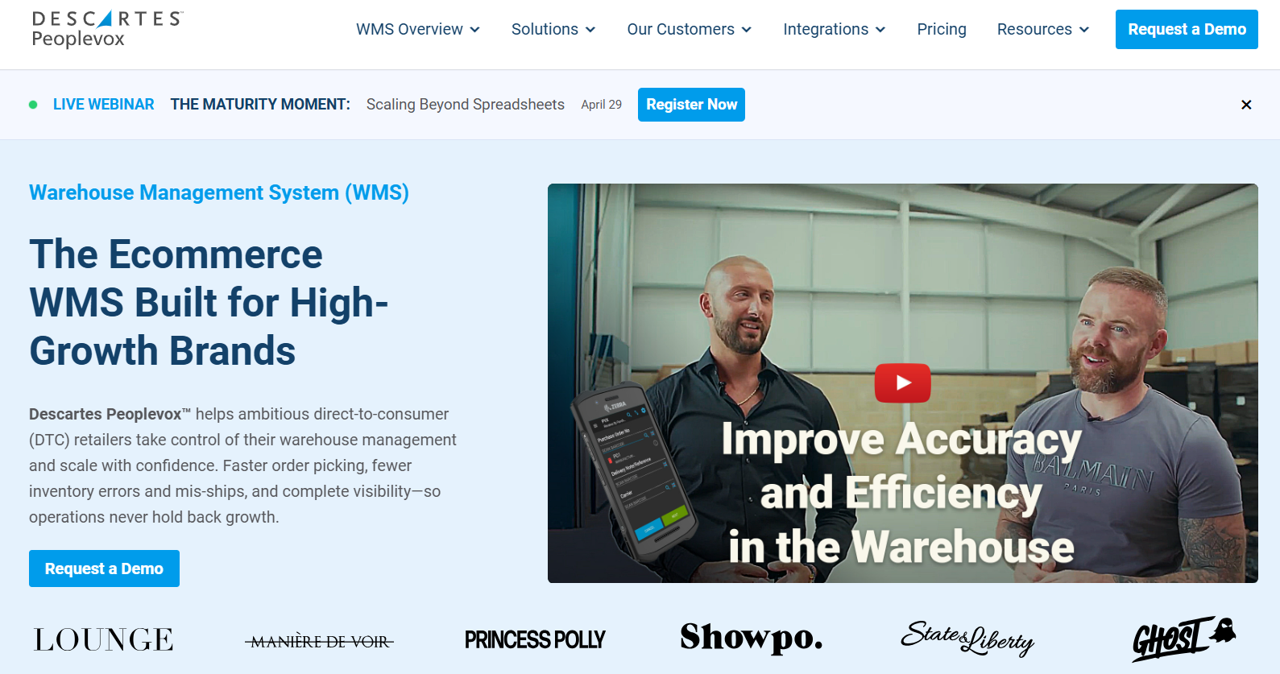
Peoplevox: Faster Processing and Full Warehouse Visibility
For fast-moving D2C brands using Descartes Peoplevox as their warehouse management system, the priority is speed.
Every hour a returned item spends in processing limbo is an hour it is not available for the next order. At scale, those hours translate directly into lost sales.
This includes the return reason and tracking numbers needed to initiate Return Authorisation, giving warehouse teams everything they need to process the item without switching between systems or waiting for information from another department.
The result is faster processing, greater accuracy, and full operational visibility into what is coming back, why, and where it sits in the journey.
For brands scaling rapidly, this matters enormously.
A WMS that does not have real-time return data will always be a step behind, leading to processing backlogs during peak periods and inaccurate stock counts that ripple through the rest of the business.
Faster Routing Means Faster Restocking
Integrations are only half the equation.
The other half is getting the physical product back to your warehouse as quickly and cost-effectively as possible, because no amount of software automation helps if the parcel is still bouncing around a carrier network for two weeks.
This is where ZigZag's carrier network plays a direct role in the restocking timeline. With access to over 1,500 carrier services across more than 170 countries, ZigZag routes each return through the most efficient path available.
In the UK alone, that means connecting customers to over 10,000 DPD drop-off points, more than 11,500 Royal Mail Post Office branches, over 10,000 Evri ParcelShops, and InPost's rapidly expanding network of over 60,000 parcel lockers.
With over 500,000 drop-off locations globally, customers are never far from a convenient return point.
ZigZag's optimised routing does not just save on shipping costs, though that matters too. It compresses the transit window, meaning products arrive back at your warehouse sooner.
And because ZigZag's platform is tracking the parcel throughout, your connected systems, whether that is Brightpearl, NetSuite, Linnworks, or Peoplevox, already know the return is on its way before it arrives.
The warehouse team can plan for incoming returns volumes, and the system can pre-create the RMA so that when the parcel hits the dock, processing can begin immediately.
For retailers with international customers, this advantage is even more significant. ZigZag's network of over 220 localised warehouses and established customs clearance partnerships means cross-border returns do not get stuck in transit or held up by paperwork.
Products move through the most efficient route, clear customs smoothly, and arrive ready for inspection and restocking.
For UK retailers navigating post-Brexit complexities with European returns, that kind of streamlined customs handling is no longer a nice-to-have. It is essential.
Real Results: How New Look Transformed Its Returns Process
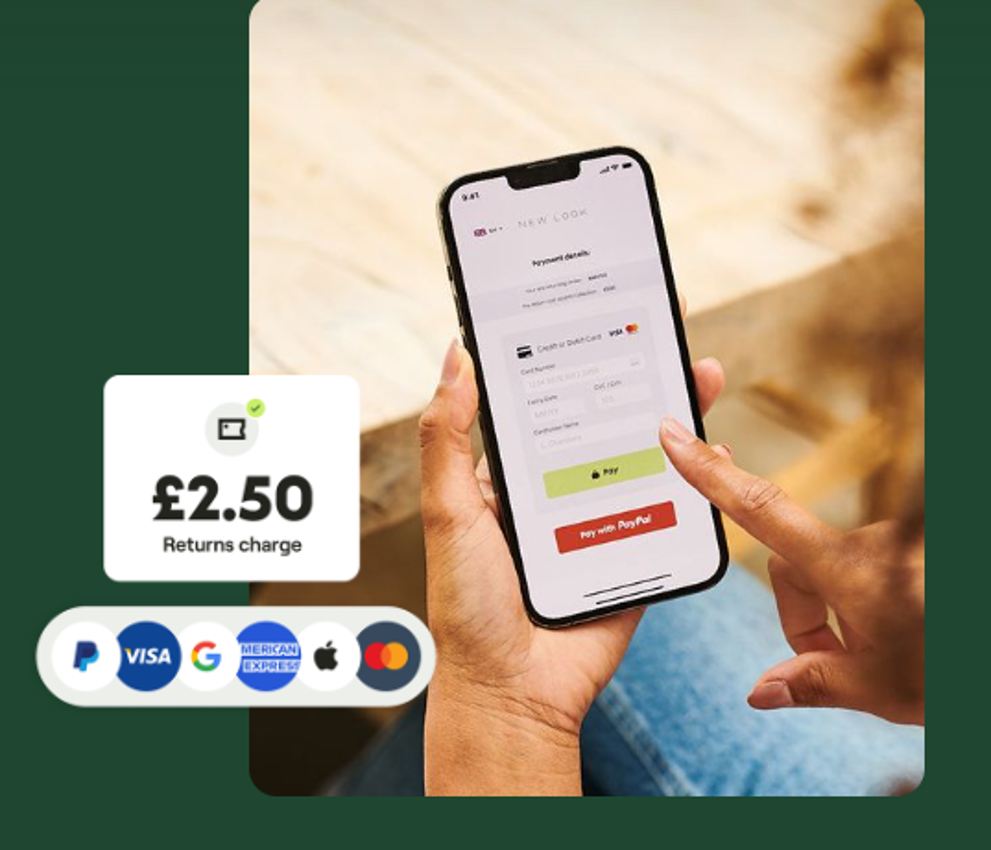
New Look, one of the UK's most recognisable fashion retailers with close to 400 stores and hundreds of millions of online visits per year, partnered with ZigZag to overhaul its returns experience.
The results speak directly to the impact of connected, automated returns on operational efficiency.
Customers now receive confirmation emails at key stages of the return journey, from drop-off to warehouse receipt, reducing the need for manual follow-ups from the support team.
New Look's Trustpilot score increased from 4.3 to 4.7 during the period they rolled out ZigZag's solution, including the introduction of paid returns.
That score improvement happened alongside operational changes, not despite them, because the automation removed friction for both customers and internal teams.
From Returns Headache to Competitive Advantage
The retailers that treat returns as a back-office chore will always be at a disadvantage compared to those that treat them as an integrated, automated part of the supply chain.
The difference between a return that takes five days to reappear in sellable inventory and one that takes 24 hours is not just operational.
It is financial. It is reputational. And at scale, it is the difference between a returns process that drains margin and one that protects it.
ZigZag's integrations with Brightpearl, NetSuite, Linnworks, and Peoplevox turn what used to be a manual, error-prone process into an automated workflow where return data flows in real-time.
Combined with a carrier network that gives UK customers access to tens of thousands of convenient drop-off points, and a platform that captures structured return data from the first customer click, ZigZag gives retailers the infrastructure to get returned products back into stock without the manual admin that slows everything down.
If your returns process still depends on someone copying data between systems, it is time for an upgrade.
Book a demo with ZigZag to see how the platform integrates with your existing tech stack and start turning returns into restocked, resalable inventory, faster.
By clicking “Accept All Cookies”, you agree to the storing of cookies on your device to enhance site navigation, analyze site usage and assist in our marketing efforts. More info
By clicking “Accept All Cookies”, you agree to the storing of cookies on your device to enhance site navigation, analyze site usage and assist in our marketing efforts. More info
.svg)

.svg)
.svg)
.svg)
.svg) Returns
Returns.svg) Returns Solution
Returns Solution Returns Solutions
.svg) Rating (4.8)
Rating (4.8) Reviews400+
.svg)

 Return arrived at ZigZag Returns Hub

 Returning remaining items
.svg) Join our mailing list
Join our mailing list


.svg)





%20(5).svg)

.svg)

.svg)


.svg)
%20(2).svg)
.svg)





.svg)
.svg)
.svg)


.svg)