Paid Returns: What Are They & Are They Worth It In 2026?
This guide explains what paid returns are and uses ZigZag's latest UK returns research to show where a returns fee helps a retailer and where it starts to cost sales.
This guide explains what paid returns are and uses ZigZag's latest UK returns research to show where a returns fee helps a retailer and where it starts to cost sales.
Paid returns ask the shopper to cover a small fee when sending an online order back, usually taken at the point of booking the return or deducted from the refund.
In ZigZag's 2025 benchmark of the UK's 100 largest clothing and footwear retailers, only 24 offered completely free returns. Around three-quarters either charged a returns fee or kept the original delivery charge.
71% of UK shoppers say returns should be free, yet those under 45 will tolerate a fee of around £2 to £2.10 on a £30 order. Among retailers that charge, the average fee was £3.50.
Paid returns suit value and young fashion retailers, especially those with stores that can offer a free in-store option. Premium and luxury brands face more pushback, so a mixed policy with free lanes for faulty items or loyal customers can protect conversion while still recovering cost.
What are paid returns?
Paid returns are a returns policy where the customer pays a fee to send an online order back, covering part or all of the retailer's reverse shipping and handling cost.
In the UK, the fee is usually a fixed sum of a few pounds per return order.
A paid returns policy does not have to apply to every item or every customer.
Many UK retailers charge for postal returns while keeping in-store returns free, and a fee can also be waived for items that arrive damaged.
The result is often one returns portal showing a mix of free and paid options side by side.
What does the process look like for shoppers?
For the shopper, a paid return follows the same route as a free one, with an added step where the fee is shown and settled.
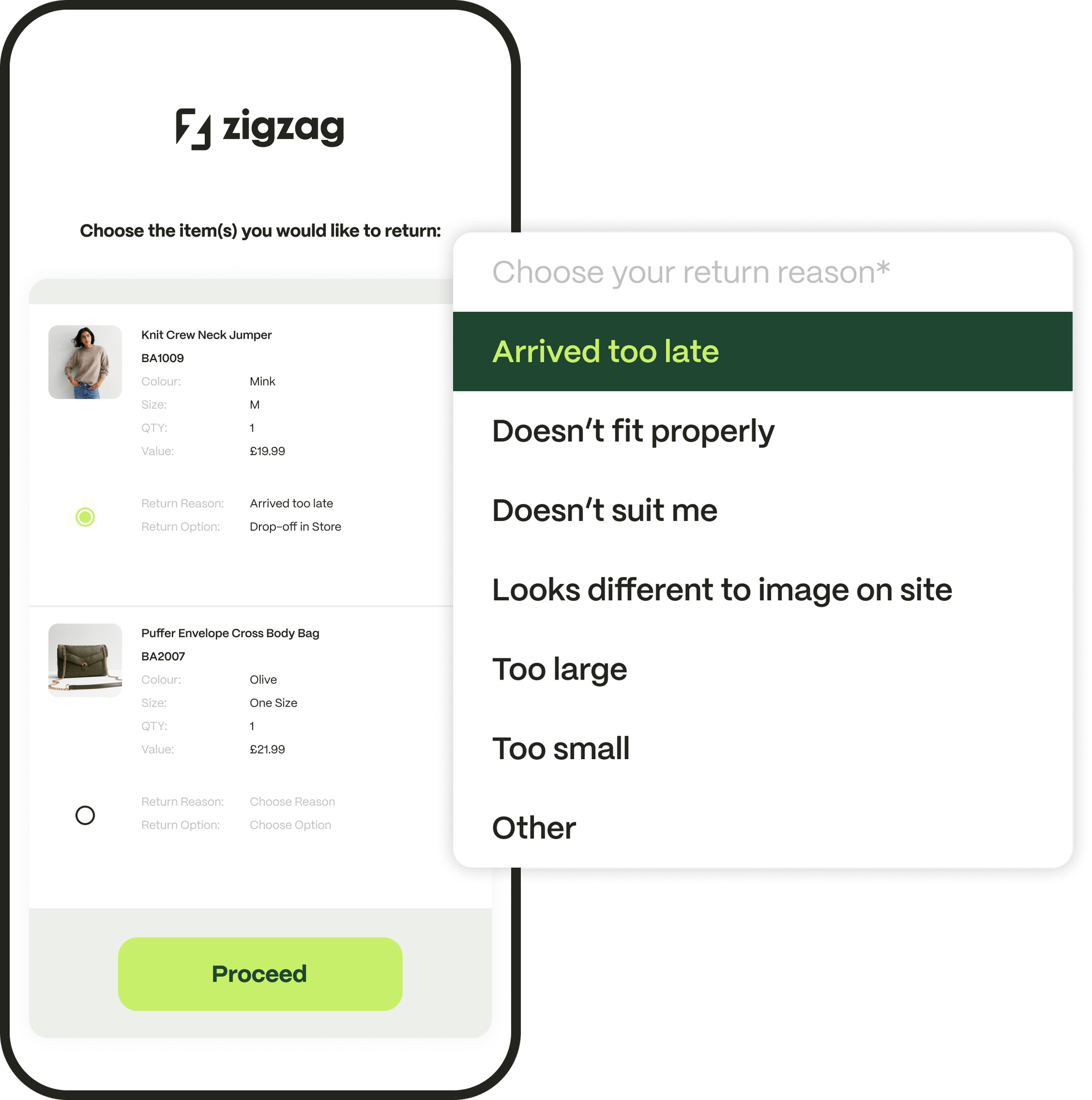
The customer opens the retailer's returns portal and selects the items they want to send back, along with a return reason.
They choose a return method, such as a parcel shop drop-off or a home collection.
The fee for that method appears before they confirm the return.
After paying, they get a label or QR code to take to the carrier.
Once the retailer receives and checks the item, the refund is issued.
When is the returns fee charged?
Retailers either take the returns fee upfront at the moment the return is booked or deduct it from the refund once the item arrives back.
ZigZag's Returns Benchmark 2025, produced with Retail Economics, found that retailers taking the fee upfront report much lower contact from customers querying a payment they do not recognise.
A deducted fee can catch shoppers off guard when their refund lands lower than the item price, and that surprise tends to turn into a customer service ticket.
Why are more UK retailers charging for returns?
UK retailers mainly introduce paid returns to recover some of their reverse logistics spend, which ZigZag's benchmark describes as a continuing pressure on retail profitability.
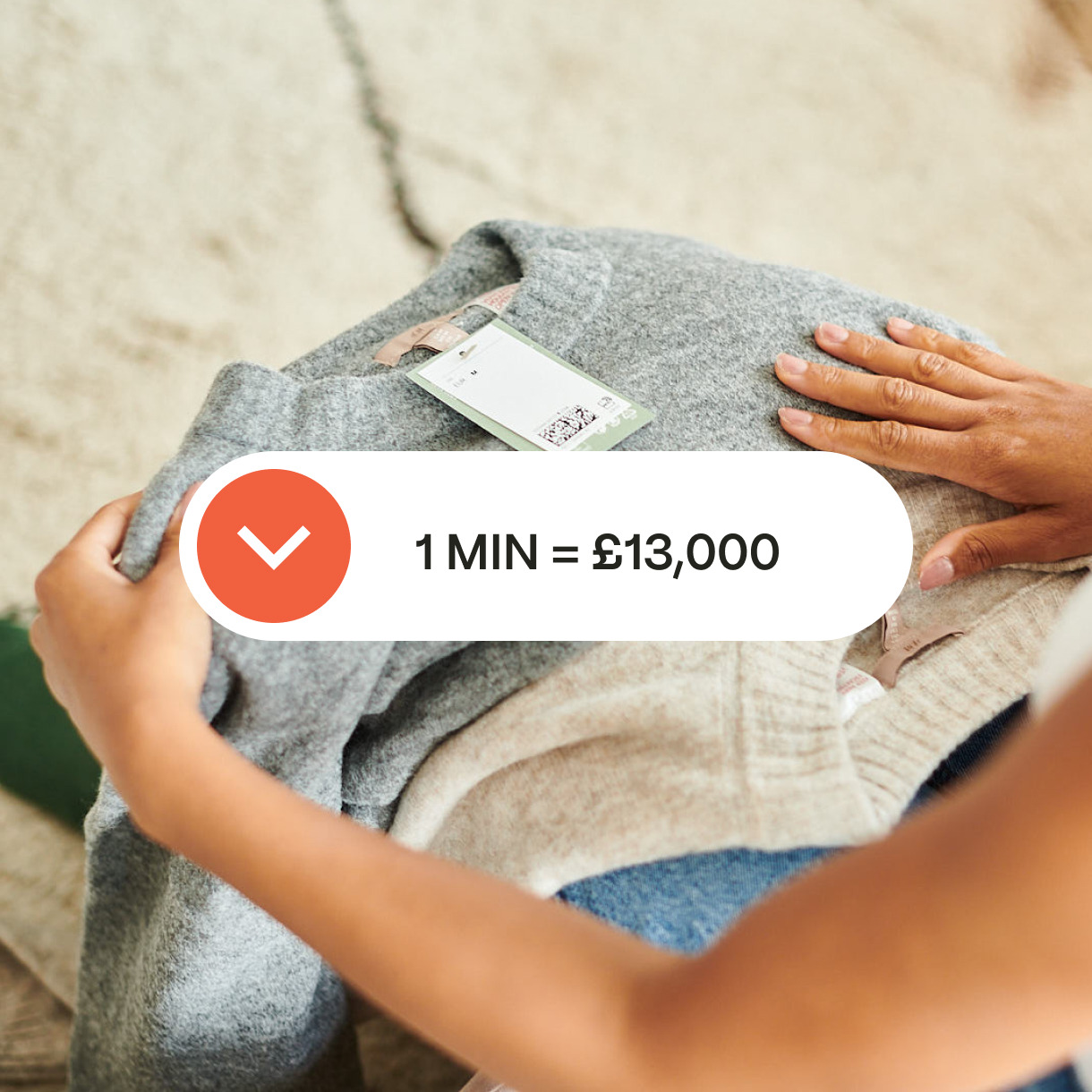
Retail Economics, working with ZigZag, forecast that UK shoppers would send back £25.1bn of non-food goods bought online in 2025, down from £26.7bn in 2024.
Clothing is sent back more often than the non-food average, with a forecast return rate of 23.6% against 19.5% across all non-food items.
PrettyLittleThing and Boohoo are among the fashion names to have introduced return charges in recent years.
Our benchmark links part of the recent dip in return rates to this kind of deliberate friction.
Retailers usually have more than one goal when they add a returns fee:
Covering the reverse shipping bill: The fee pays for some or all of the carrier label and the processing time at the warehouse.
Fewer wardrobing returns: A charge makes it less tempting to wear an item for one occasion and then send it back, as it shows the retailer takes returns seriously.
More careful ordering: Shoppers who know a return carries a cost tend to double-check sizing and product details before they buy.
Channel steering: A fee on postal returns paired with free store returns encourages customers to bring items into a shop. Store returns typically cost less to process and bring extra footfall.
Shopper attitudes have moved too.
ZigZag's research found that 48% of consumers are happy to pay for returns, and ZigZag data reported by InternetRetailing showed that 45% of returns made between Black Friday and 6 January 2026 were paid for, rising to 69% among smaller retailers.
The 2025 benchmark also recorded serial returners falling from 12% of UK shoppers in 2024 to 8% in 2025.
Fees and limits appear to be reaching the group they were designed for.
How much do UK retailers charge for returns?
Among UK clothing and footwear retailers that charge, the average returns fee was £3.50 in ZigZag's Returns Benchmark 2025, with most charging between £2.50 and £2.95.
Luxury retailers that charge go well beyond that range, averaging £5.25 per return.
Fees also vary by channel.
Next and H&M, for example, offer free returns to store and charge between £2 and £3 for postal returns.
How widespread charging is depends heavily on the market a retailer serves.
In the benchmark, 80% of young fashion retailers charged for returns, compared with 11% of luxury retailers.
What fee will UK shoppers tolerate?
Most UK shoppers would still choose free returns, but younger shoppers accept a fee of up to about £2.10 before it puts them off buying.
In ZigZag's consumer survey of 2,000 UK consumers, 71% said returns should be free.
Shoppers under 45 were more pragmatic, accepting a fee of around £2 to £2.10 on a £30 purchase.
Gen Z and Millennials put their limit at £2.10 before abandoning a purchase, while older shoppers drew the line at £1.50.
Compared with the typical £2.50 to £2.95 charge, many retailers are already asking for more than their customers say they are comfortable paying.
The benchmark recommends testing prices with real customers before rolling a fee out across the whole business.
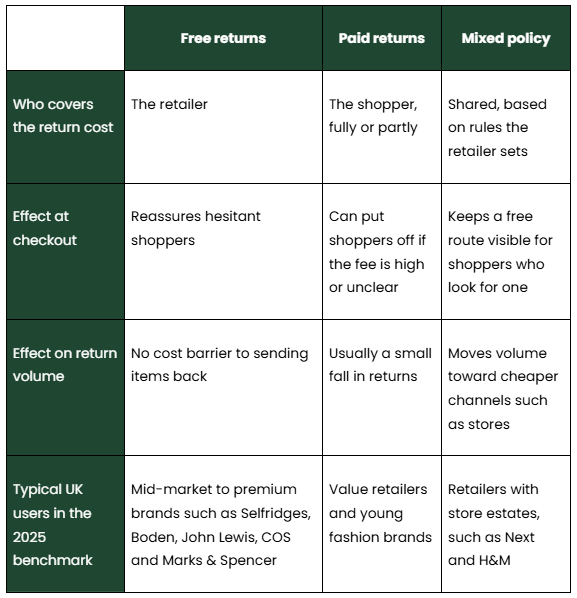
How do free, paid and mixed returns policies compare?
The main difference between the three policies is who absorbs the cost of sending an item back.
A mixed policy splits that cost by return reason or channel.
Only 24 of the 100 retailers in ZigZag's benchmark offered completely free returns, and many of those that charge still keep returns to store free.
Are paid returns worth it in 2026?
For value retailers and young fashion brands, especially those with stores, paid returns are a sound choice in 2026, provided the fee stays close to what shoppers will tolerate and is shown well before checkout.
Brands further up the price scale are better served by charging selectively.
The answer changes with the customer base.
A young fashion brand selling to Gen Z will meet far less resistance than a premium label whose shoppers expect free returns as part of the price.
What does a retailer gain from charging?
Recovered cost is the clearest gain, and New Look's results show it can come with little visible effect on sales.
Recovered reverse shipping cost: Each paid return offsets some or all of the carrier and processing spend that a free return leaves with the retailer.
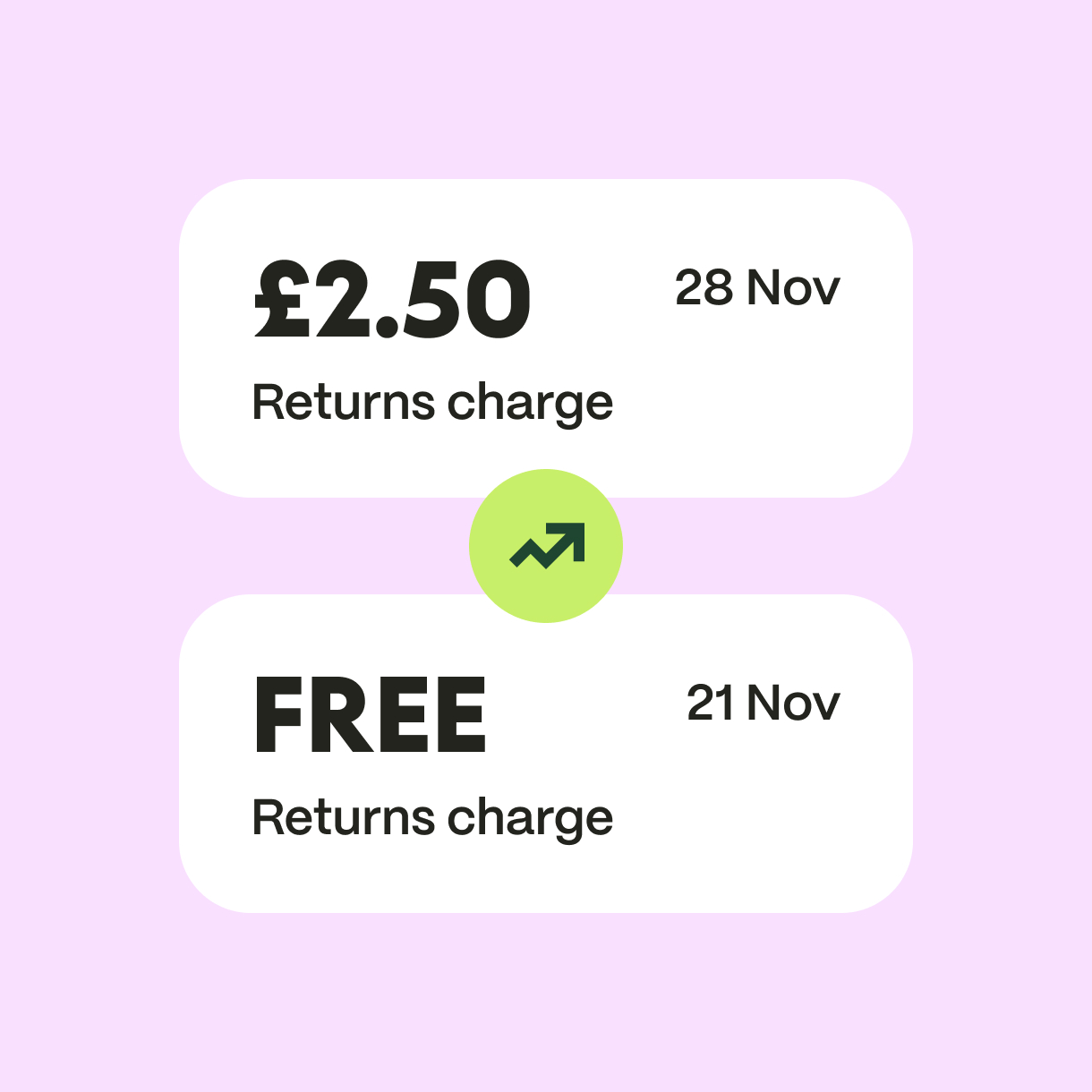
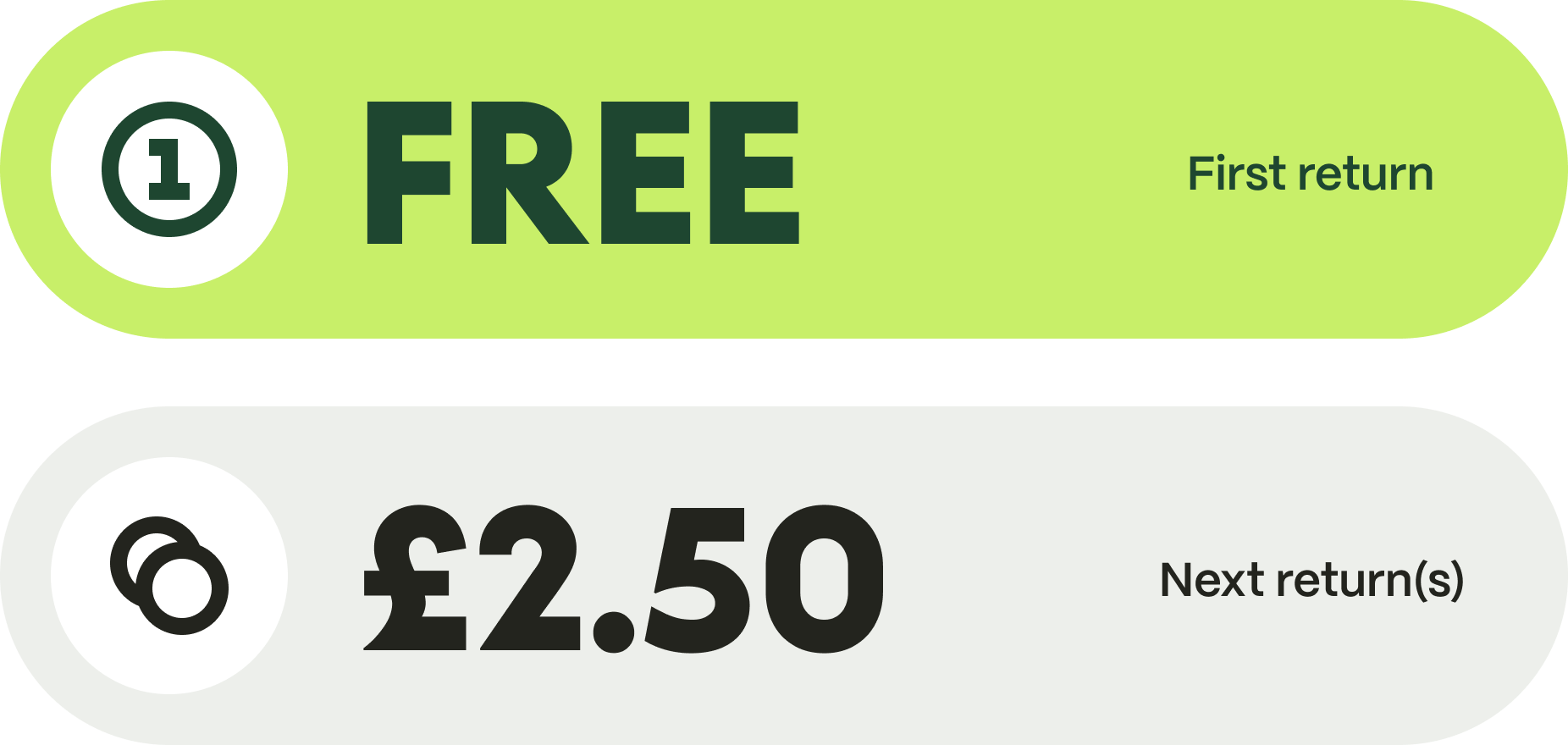
Stable sales: When New Look introduced a £2.50 fee for paid online returns alongside free in-store returns, it saw a 0.5% reduction in returns and no impact on sales.
Fewer serial returners: The share of UK shoppers identified as serial returners fell from 12% in 2024 to 8% in 2025, a shift ZigZag's benchmark connects to fees and limits on heavy returners.
More store visits: Pairing a postal fee with free store returns helped New Look double its in-store returns.
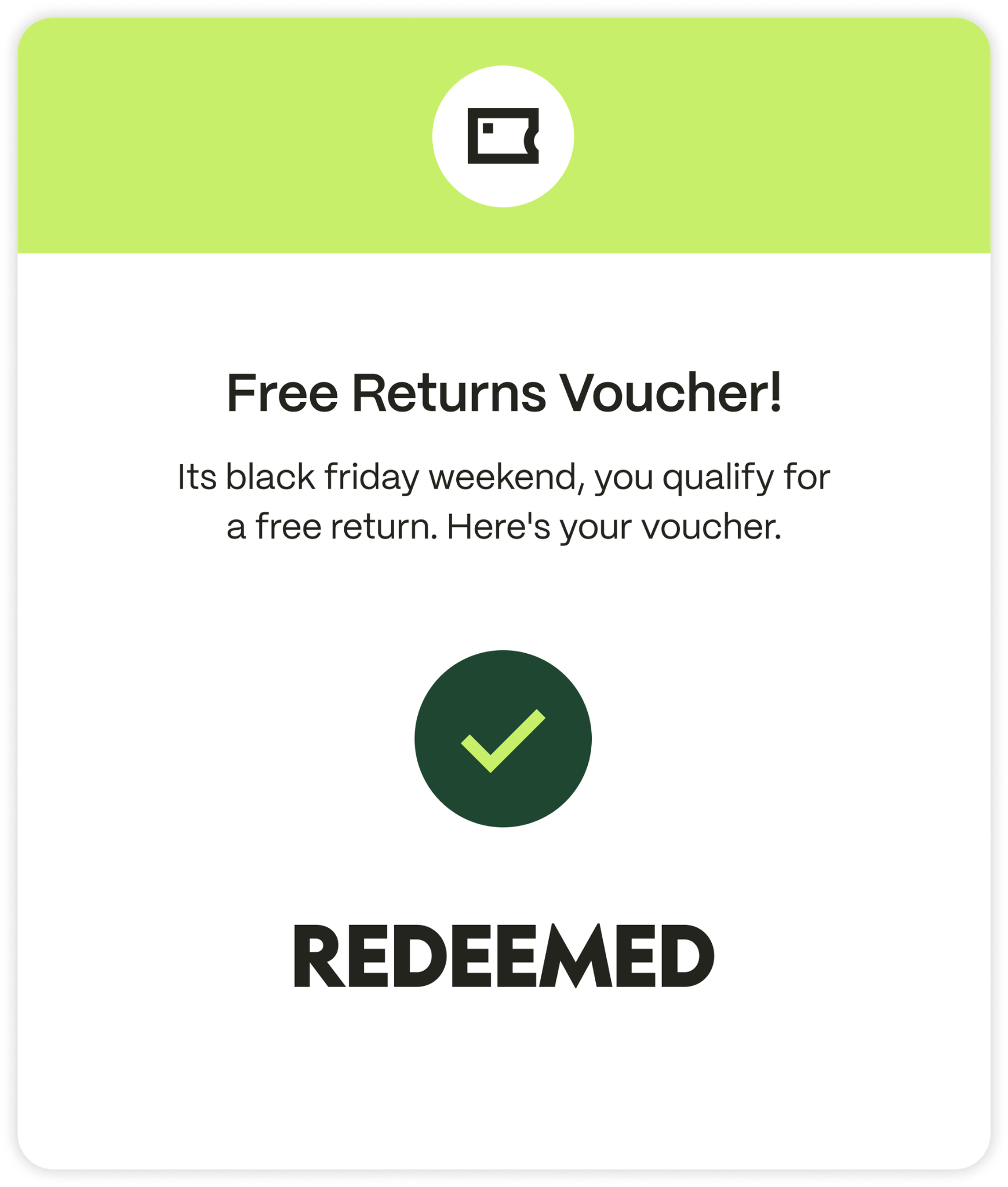
Promotional opportunity: You can use free returns for VIP customers or offer vouchers during Black Friday sales.
Where can a returns fee backfire?
Charging for returns can cost sales when the policy feels strict or confusing at the point of purchase.
Purchase hesitation: 69% of UK consumers say they are less likely to complete a purchase if a returns policy is complicated or strict, rising to 72% among Millennials.
Fees above tolerance: With most fees set between £2.50 and £2.95 and younger shoppers capping their tolerance at £2.10, an overpriced fee can lead shoppers to abandon the purchase.
Discouraging good returners: The share of efficient returners fell from 32% to 21% of shoppers between 2024 and 2025. The benchmark suggests added friction may be putting off desirable behaviour as well as the costly kind.
Confusing charges: In the benchmark's test returns, one retailer applied an unexplained £5 restocking fee on top of a £3 returns fee. Surprise charges like this damage trust quickly.
Which types of retailers suit a returns fee?
Paid returns fit best where shoppers are price-aware and a free alternative channel is easy to offer.
Value and young fashion retailers: Younger, high-frequency shoppers show a higher tolerance for fees, and 80% of young fashion retailers in the benchmark already charge.
Retailers with a large store estate: A free return to store gives most customers a no-cost option, so the postal fee feels like a choice. This only holds where stores are close enough to be convenient.
Mid-market and premium brands: A blanket fee is riskier here, and selective charging, for example by return reason or for non-members only, protects the experience these shoppers expect.
Luxury retailers: Only 11% charge, and the benchmark places luxury in a "premium paradox" where high fees and limited flexibility clash with the brand promise. Affluent shoppers were also found to be less forgiving of returns friction.
How should you roll out a paid returns policy?
A paid returns policy is safest to roll out gradually, starting with your own returns data and keeping free options for the situations customers see as fair.
Review your current returns: Look at your return rate and the average cost of each return so the fee is grounded in real numbers.
Keep retailer-caused returns free: Items that arrive damaged or turn up late should cost the shopper nothing. Charging customers for the retailer's own mistakes is a reliable way to lose goodwill.
Set a fee near shopper tolerance: ZigZag's research puts the comfortable limit for younger shoppers at around £2.10, well below the £3.50 average charged by UK fashion retailers.
Offer at least one free route: A free return to store, or one free return per order, gives cost-conscious customers a way out and nudges them toward consolidating items into a single parcel.
Show the fee early: Mention the fee on product pages and in order emails so nobody discovers it for the first time inside the returns portal.
Charge upfront in the portal: Taking payment when the return is booked avoids the refund confusion that deducted fees create.
Test before settling on a fee: Run AB tests on two or more price points and compare the effect each one has on return rates and sales.
Note: UK consumer law sets rules on who pays for a return, so it is sensible to check your policy with a legal adviser before launch. This article is general information, not legal advice.
Paid Returns With ZigZag
Paid returns tend to run into the same problems when the setup is basic:
Unexpected deductions: When the fee comes out of the refund, customers can end up contacting support about money they did not expect to lose.
One fee for every case: A flat charge on every return penalises shoppers whose item arrived damaged or late.
No visibility: Without clear reporting, it is hard to tell whether the fee is recovering cost or quietly pushing shoppers away.
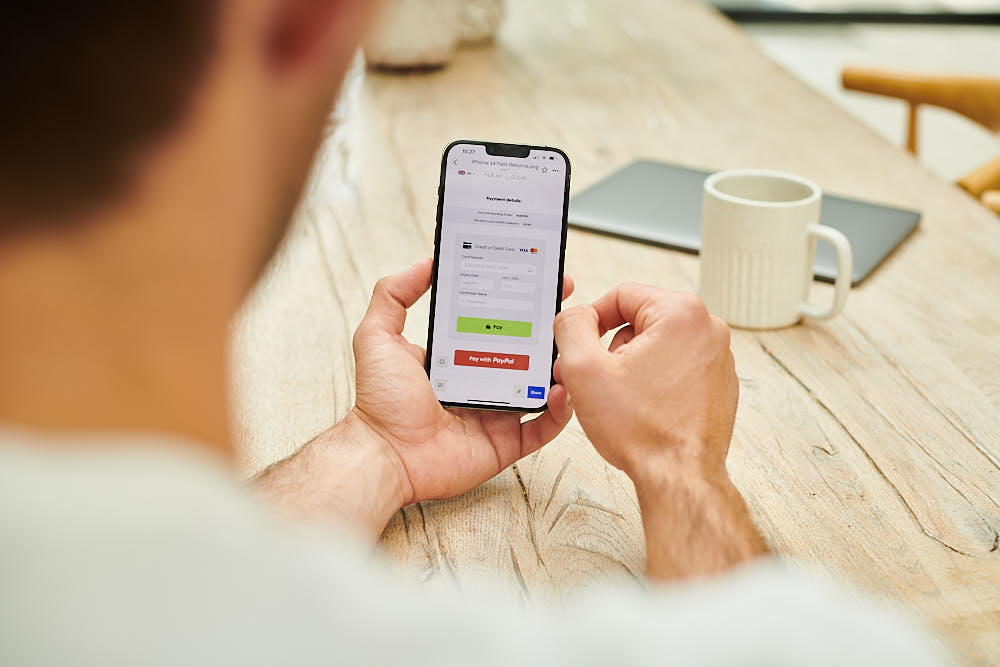
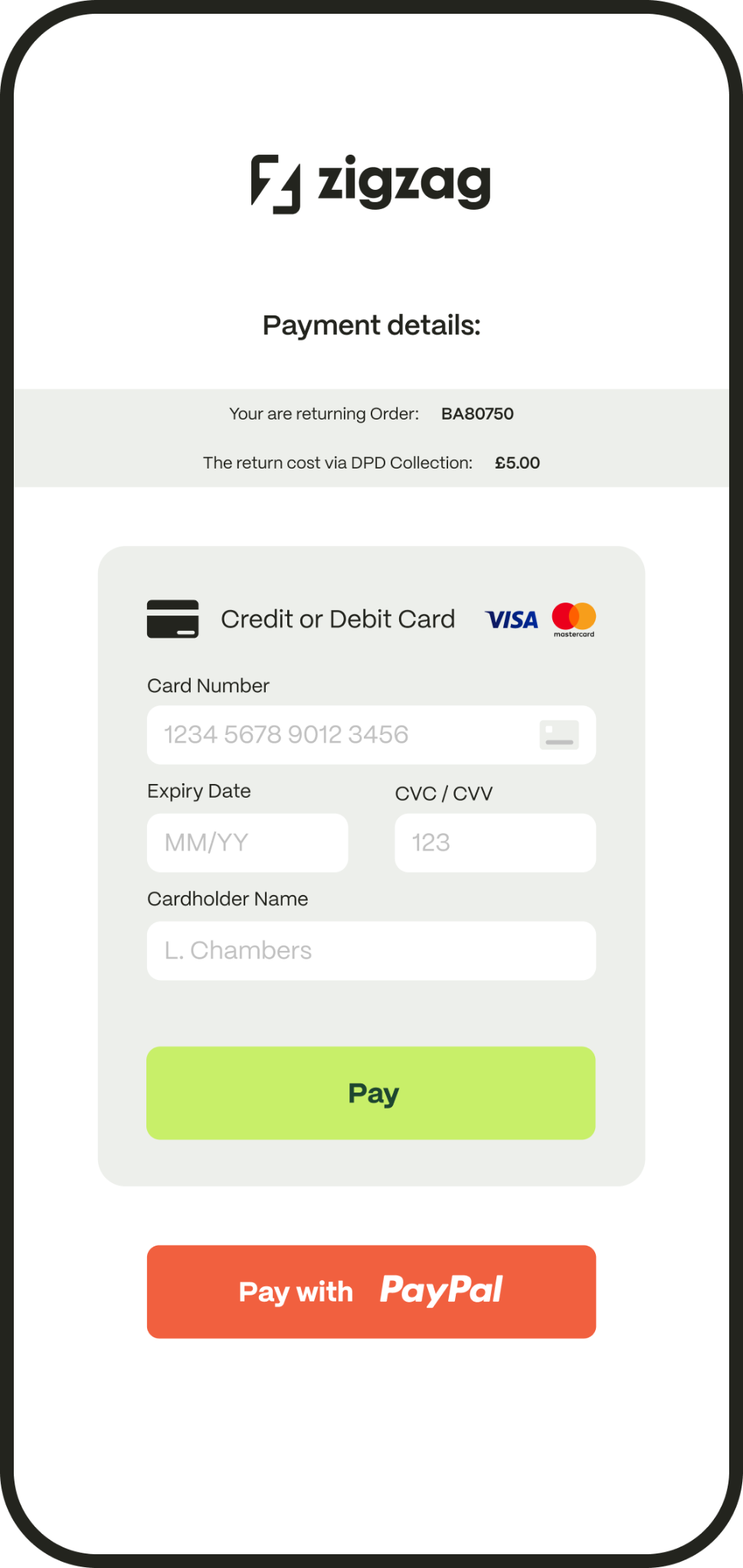
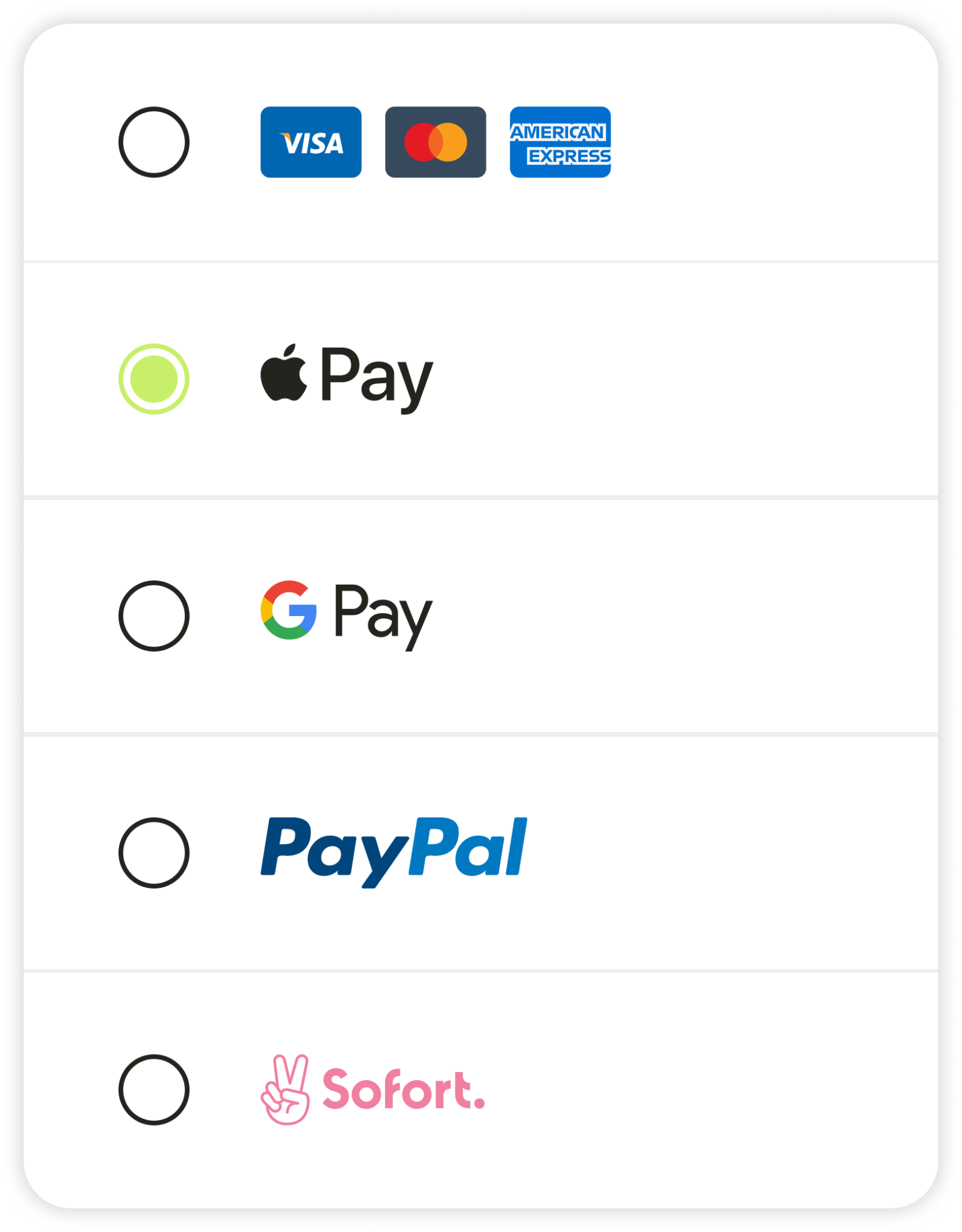
Upfront payment: The fee is charged on a payment page in the returns portal, so shoppers see the cost before they confirm and can pay by card, PayPal, Apple Pay or Google Pay.
Rules you control: Retailers can keep reasons such as "Damaged" or "Arrived Too Late" free while charging for "Doesn't Suit Me", and extend free returns to VIP members or customers with a voucher code.
Free store returns alongside paid online returns: This is the approach that helped New Look double its in-store returns.
Paid returns in WhatsApp: The same setup carries over to Returns in WhatsApp, where customers pay the fee without leaving the chat.
Reporting and testing: The ZigZag Reporting Hub tracks the revenue recouped from paid returns, and retailers can AB test prices to see how each one affects return rates and sales.
Ready to introduce paid returns?
Paid returns are now part of the standard UK returns toolkit, and the retailers getting the most from them treat the fee as one setting among many in a flexible policy.
If you would like to see how a paid returns setup would look for your own customers, you can book a demo with ZigZag and the team will walk you through the options.
FAQs
What is a sensible returns fee for my store?
ZigZag's research suggests staying near £2 to £2.10, the level younger UK shoppers say they will accept on a £30 order.
In the 2025 benchmark, the average among UK retailers that charge was £3.50, so a lower fee can be a point of difference.
Testing two or more prices with real customers is the most reliable way to find your own figure.
Do paid returns reduce return rates?
Usually by a small amount.
New Look recorded a 0.5% reduction in returns after introducing paid returns, with no impact on sales.
The wider UK clothing return rate also eased, from 25.4% in 2024 to a forecast 23.6% in 2025, a fall the benchmark partly links to returns fees.
Should I charge for faulty or damaged items?
No, returns of faulty or damaged goods fall under separate consumer rights rules, and charging for them risks complaints and lost trust.
ZigZag's return reason rules let retailers keep reasons such as "Damaged" free while charging for others.
Can I offer free returns to some customers and charge others?
Yes, with ZigZag, retailers can keep returns free for loyalty members or customers with a voucher code, while other shoppers pay.
Rules can also differ by product, return reason, country and return method.
By clicking “Accept All Cookies”, you agree to the storing of cookies on your device to enhance site navigation, analyze site usage and assist in our marketing efforts. More info
By clicking “Accept All Cookies”, you agree to the storing of cookies on your device to enhance site navigation, analyze site usage and assist in our marketing efforts. More info


 Returns
 Returns Solution
 Returns Solutions

 Rating (4.8)
 Reviews400+


 Return arrived at ZigZag Returns Hub


 Returning remaining items
 Join our mailing list