The 8 Best Swap Alternatives For Post-Purchase In 2026
Swap, also known as Swap Commerce, is a post-purchase platform that covers exchange-first returns, shipment tracking, carrier claims and cross-border tax and duty compliance through one connected account, and it runs natively inside Shopify.
The 8 Best Swap Alternatives For Post-Purchase In 2026
Swap, also known as Swap Commerce, is a post-purchase platform that covers exchange-first returns, shipment tracking, carrier claims and cross-border tax and duty compliance through one connected account, and it runs natively inside Shopify.
Below I've compared eight Swap alternatives across features, pricing, strengths and limitations.
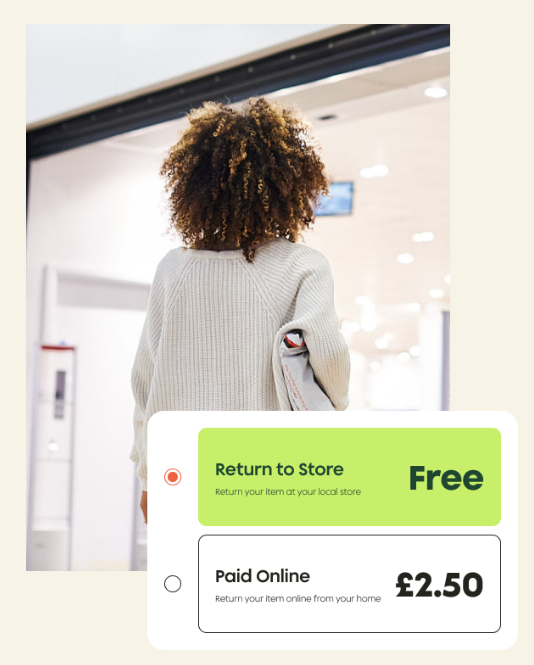
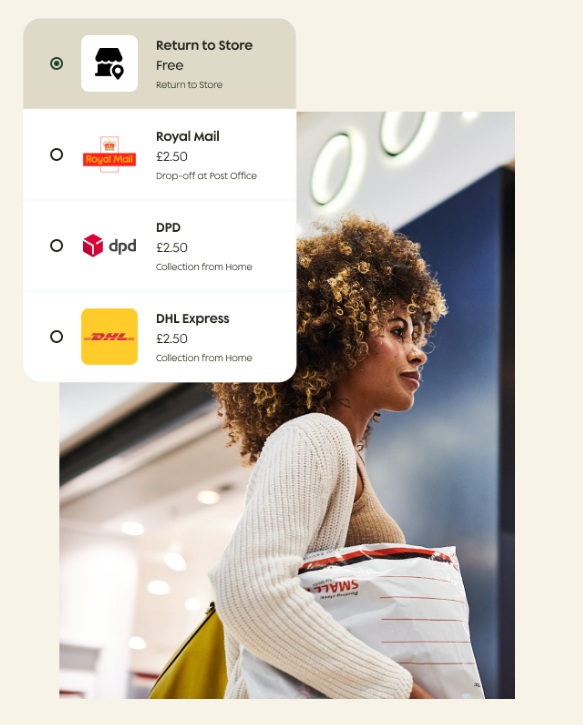
Best for global, multi-country returns: ZigZag Global combines a global carrier network of over 3,000 carrier lanes across more than 170 countries, 220+ localised warehouses and 500,000+ drop-off locations, with return options that keep revenue in the business, including paid returns, store credit and free in-store drop-off.
Closest to Swap's exchange-first model: Loop Returns and ReturnGO both default a shopper toward an exchange or store credit before offering a cash refund.
Best for shipping-first or European teams: ShipStation and Sendcloud fit teams whose bigger cost pressure is still outbound shipping, AfterShip suits rule-based returns automation bundled with tracking, and Outvio and Narvar cover European multilingual returns and post-purchase communication respectively.
What Should You Look For In A Swap Alternative?
Judge a Swap alternative on how much of the reverse logistics stack the platform handles natively versus how much gets bolted on afterwards.
Six areas tend to separate one platform from another once you get past the demo.
Return outcome design: A returns portal that offers a refund, an exchange and store credit is table stakes. What actually protects revenue is whether the platform defaults a shopper toward an exchange or credit first, and only falls back to cash when nothing else fits.
Cross-border tax and duty handling: Selling into multiple countries brings duty, VAT and customs paperwork on both the outbound order and the item that comes back. Some platforms automate this natively, some route it through a named partner, and some leave it out entirely.
Carrier and warehouse independence: Some platforms connect to carrier accounts you already hold. Others supply their own, which removes contract negotiation from your team and usually improves rates on lower-volume international lanes.
Fraud signals and return routing: Weight discrepancies, repeat serial returners and wardrobing patterns all surface in the data once a platform is built to catch them. Whether that flagging runs automatically or waits on a manual review is a fair question to ask before you sign.
Implementation effort: Shopify app-store integrations can go live the same week. Returns infrastructure built around its own carrier network commonly takes longer. Ask for a realistic timeline before signing.
Commercial model: Flat monthly fees, per-return charges and usage-based fees all behave differently as return volume grows. Model the cost at next year's projected volume before comparing advertised prices.
What Are The Best Swap Alternatives In 2026 For Post-Purchase?
The best Swap alternatives in 2026 are ZigZag Global for global returns infrastructure, Loop Returns for Shopify-native exchange-first flows closest to Swap's own model, and ShipStation for outbound shipping teams adding a returns layer.
Rounding out the shortlist are AfterShip, Narvar, Outvio, ReturnGO and Sendcloud, each covering a different slice of the post-purchase journey.
Let's go over each one of them:
#1: ZigZag Global
ZigZag Global is a post-purchase and returns management platform that handles the customer journey from dispatch notification through to refund, using ZigZag's own global carrier network across more than 170 countries, 220+ localised warehouses and 500,000+ drop-off locations.
Where Swap approaches post-purchase as a single connected account built first for Shopify, ZigZag Global was built as dedicated returns infrastructure that scales market by market.
That difference matters most for retailers whose margin gets eroded once a parcel is already on its way back.
Note: ZigZag Global is our own platform, so we've aimed to describe what we do without overstating it, and we've been specific about the areas where other tools on this list are a better fit.
Our platform gives you:
Access to over 3,000 carrier lanes and 220+ localised warehouses across more than 170 countries, all under ZigZag's own carrier accounts. Your team never negotiates a separate contract per market.
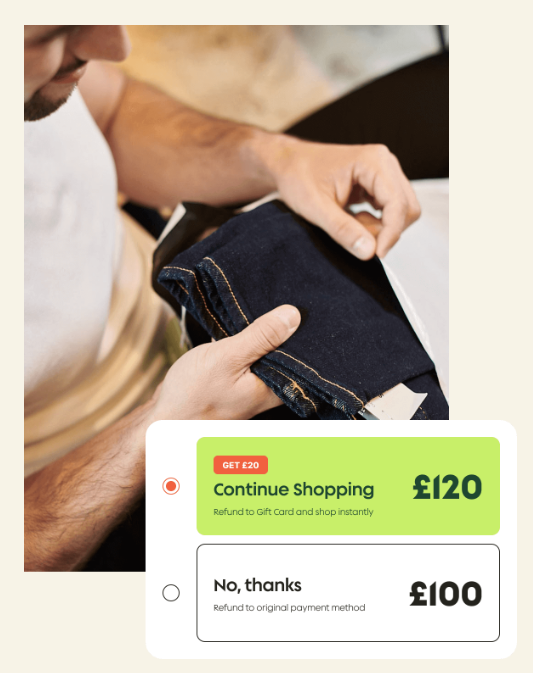
Return outcomes that protect revenue, including store credit, gift cards, paid returns and free in-store drop-off.
Branded tracking and proactive notifications built on normalised carrier data covering over 60 standardised event triggers.
Returns analytics that surface return reasons, flag suspicious returning behaviour and expose operational bottlenecks.
Dedicated account management through onboarding and beyond.
Here's what the platform covers:
Branded Tracking And Proactive Notifications
ZigZag Global hosts the tracking experience on your domain, which keeps high-intent traffic on your site during the delivery window and removes the risk of customers landing on a page made to look like a carrier's.
Behind the tracking page, ZigZag Global normalises raw events from every carrier you use into one consistent event language, so a delay from Royal Mail reads the same way as a delay from DHL.
Notifications go out across email, SMS, WhatsApp and Apple Wallet. Email carries the default load, with SMS and WhatsApp reserved for high-priority moments such as a pickup point reminder, and fallback logic covering cases where the primary channel fails.
Multilingual And Customisable Returns Portal
ZigZag Global's returns portal is fully white-labelled and rule-driven.
The outcome a shopper sees changes according to the return reason they select.
A faulty item gets routed differently from one that simply didn't fit.
For international brands, the portal handles multiple currencies and languages at once.
Single-Click Shopify Integration
ZigZag Global installs on Shopify in a single click, which puts it at the lighter end of implementation effort for a platform with this much returns infrastructure behind it.
Shopify merchants use the integration to go live with a working returns experience without a development sprint, and to steer shoppers towards exchanges and gift card refunds before a cash refund gets issued.
Return Options That Keep Revenue In The Business
In-store returns let shoppers hand the item back in person.
Retailers with physical stores use this to cut reverse shipping costs and pull footfall into locations, and ZigZag Global also supplies in-store drop-off kiosks for a self-service version of the same journey.
💡 In-store drop-off kiosks are available to retailers who want this handled without tying up shop floor staff.
Store credit issues the refund as a gift card against your store.
Shoppers accept it readily because the credit is usually of greater value than the cash alternative, and the capital stays with you.
Paid returns ask the shopper to cover a small fee.
ZigZag Global's own research found 48% of consumers are happy to pay for returns, and paid returns have risen 32% year on year.
The fee covers reverse shipping cost, discourages wardrobing, and tends to produce more considered purchases at checkout.
Advanced Returns Analytics
ZigZag Global's reporting hub tracks return activity in one place so you can act on patterns before they become permanent.
The reporting covers which refund outcomes shoppers choose most often, the most common reasons behind returns, revenue generated from paid returns, and suspicious returning behaviour at customer level.
Retailers using ZigZag Global can feed that return reason data back into their own product and sizing decisions, which is the starting point for bringing return volume down over time.
ZigZag Global Pros And Cons
✅ Carrier network: over 3,000 carrier lanes and 220+ localised warehouses across more than 170 countries, all on ZigZag's own carrier accounts.
✅ Returns analytics that identify return drivers and suspicious returning behaviour.
✅ Return options that recover cost, including paid returns, in-store drop-off and store credit.
✅ Branded tracking and multichannel notifications in the same platform as returns.
✅ Multi-currency, multi-language returns portal with a one-click Shopify install.
❌ Some merchants note carrier speed varies between services.
#2: Loop Returns
Loop Returns names itself as a Swap alternative directly in its own marketing, and the fit is real: both platforms compete for the same Shopify DTC brands that want an exchange offered before a refund becomes an option.
Features
Order Editing gives shoppers self-service control over their own order, including address changes and cancellations, without opening a support ticket.
Delivery Promise shows a realistic arrival window before checkout.
Checkout+ lets a shopper opt into paid return coverage at the point of purchase.
Instant Exchanges and Shop Now let a shopper browse and pick a replacement while the original return is still in transit.
Pricing
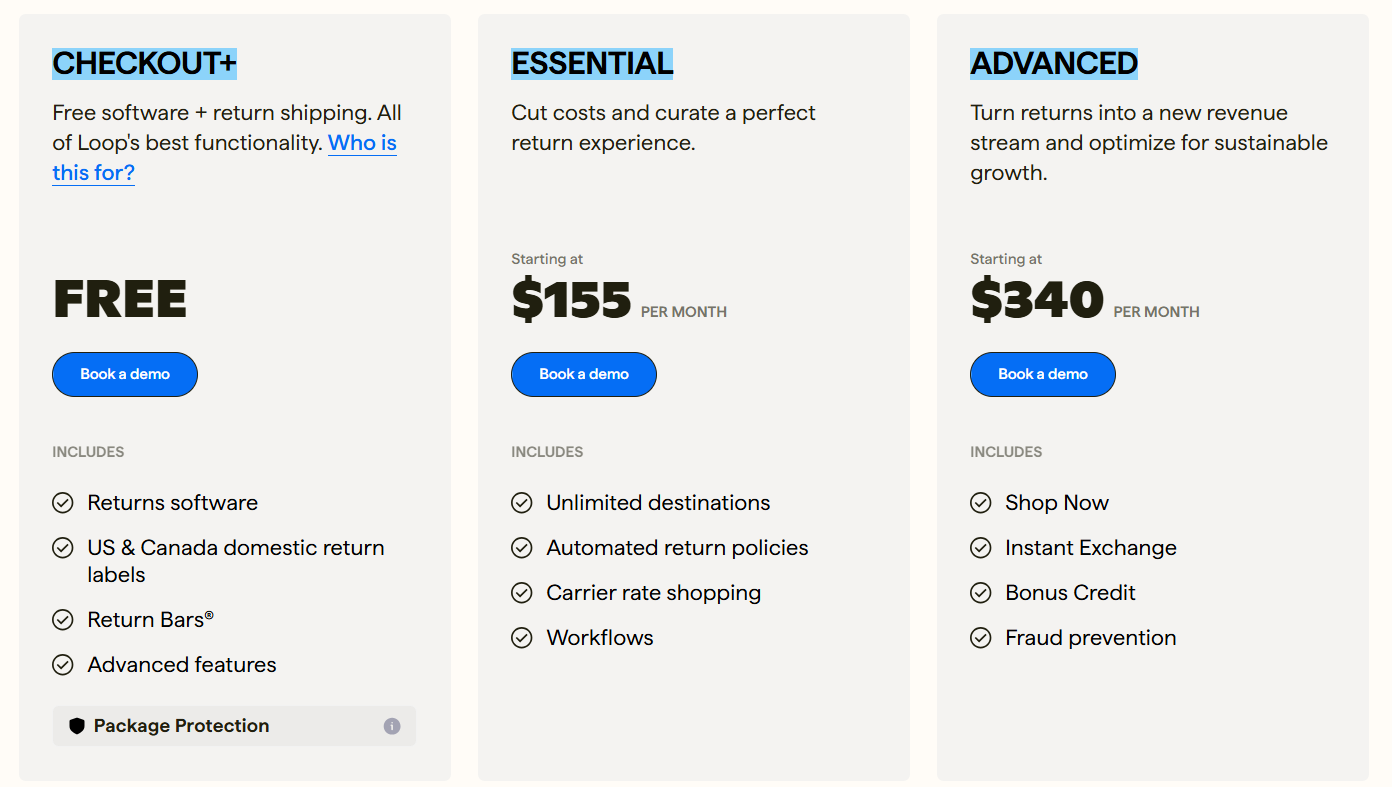
Loop Returns publishes three tiers based on features and account setup.
Checkout+: free, with paid return coverage billed to the shopper at checkout.
Essential: from $155 per month, with unlimited destinations and automated return policies.
Advanced: from $340 per month, adding Shop Now, Instant Exchanges and fraud prevention.
Enterprise: available on request for brands needing multiple return locations.
Pros And Cons
✅ Exchange-first flow with Shop Now browsing built into the return itself.
✅ Order Editing cuts support contacts for simple order changes.
❌ The setup of the platform can allegedly take a while, which is why some retailers have been looking for Loop alternatives.
#3: AfterShip
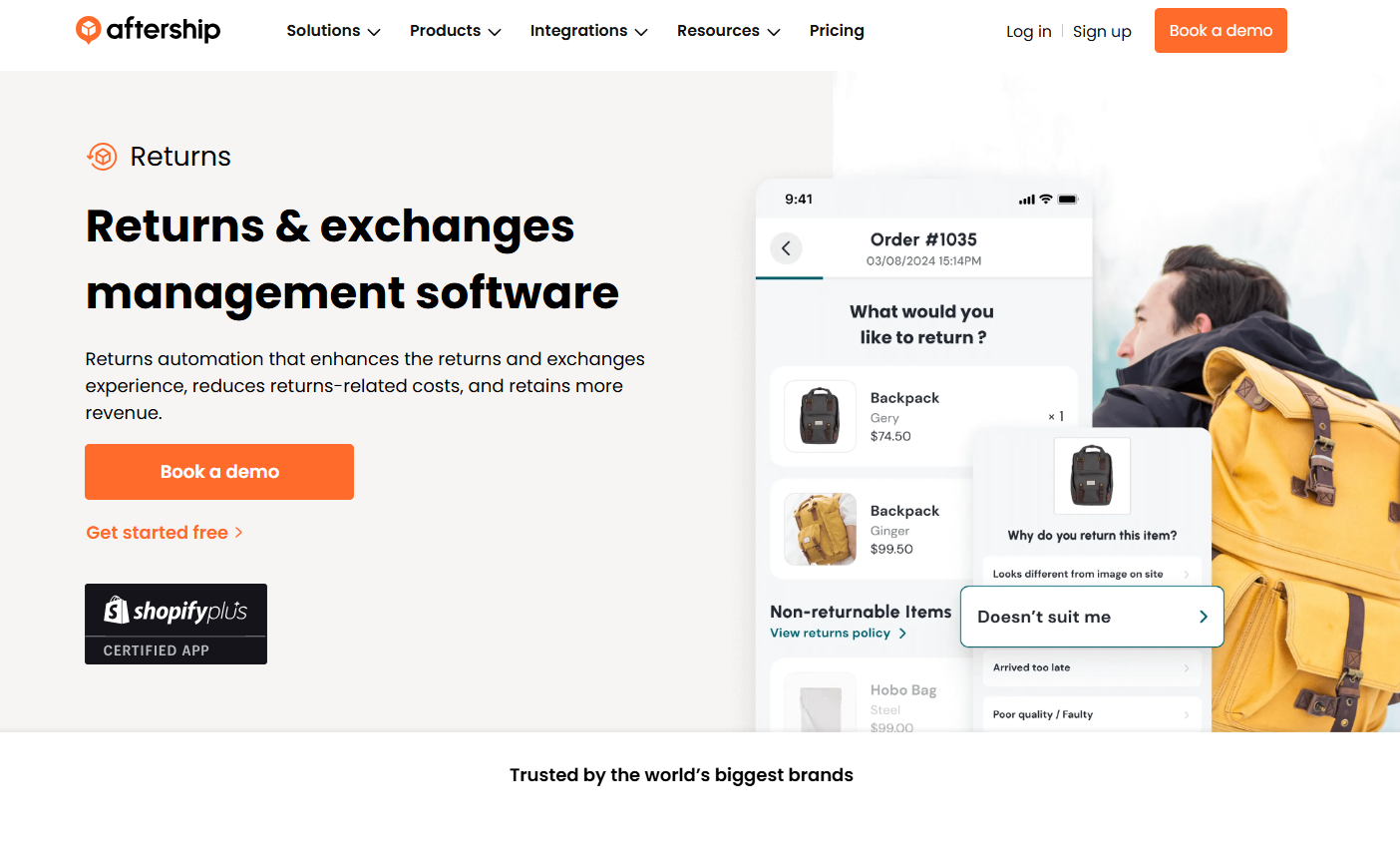
Among the Swap alternatives here, AfterShip carries one of the wider carrier integration lists, wrapped around tracking and rule-based returns automation sold as a separate module.
Merchants pick AfterShip when they want granular control over return eligibility without paying for tax and duty tooling they may not need.
Features
Rule-based returns automation tied to eligibility criteria you define, not a fixed policy.
Store credit and partial refunds to recover revenue at the point of return.
Analytics dashboard and automated resolutions.
Fraud detection workflows that examine return frequency per customer and flag weight discrepancies on inbound parcels.
Pricing
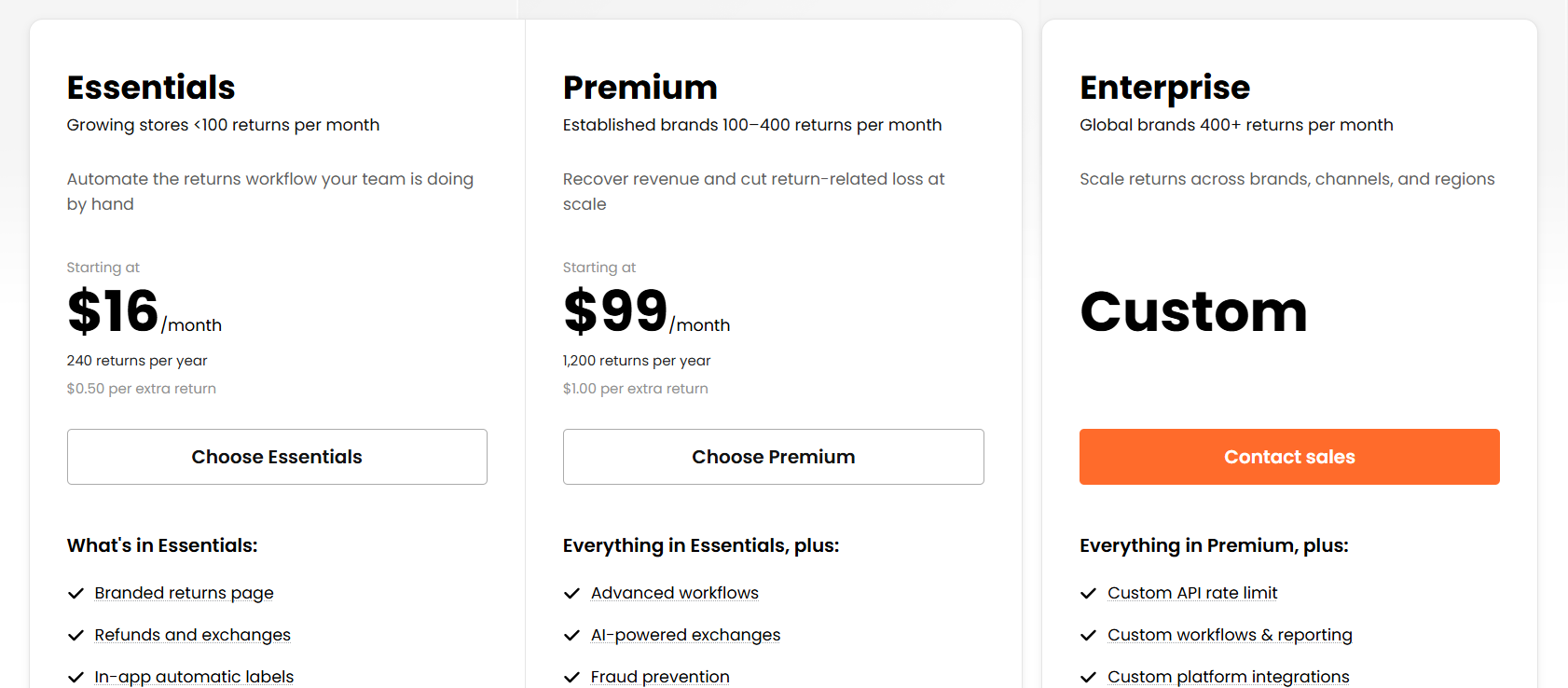
AfterShip Returns prices in three tiers as of 2026.
Essentials: from $16 per month for stores under 100 returns a month, with a customisable returns portal.
Premium: $99 per month for 100 to 400 returns a month, adding fraud prevention and revenue recovery tools.
Enterprise: custom pricing above that. The tracking product is billed separately if you want both.
Pros And Cons
✅ Rule-based automation with eligibility criteria you control.
✅ Accessible entry pricing for small and mid-sized retailers.
❌ Not as easy to set up and use, which is why some retailers have been looking for alternatives to AfterShip.
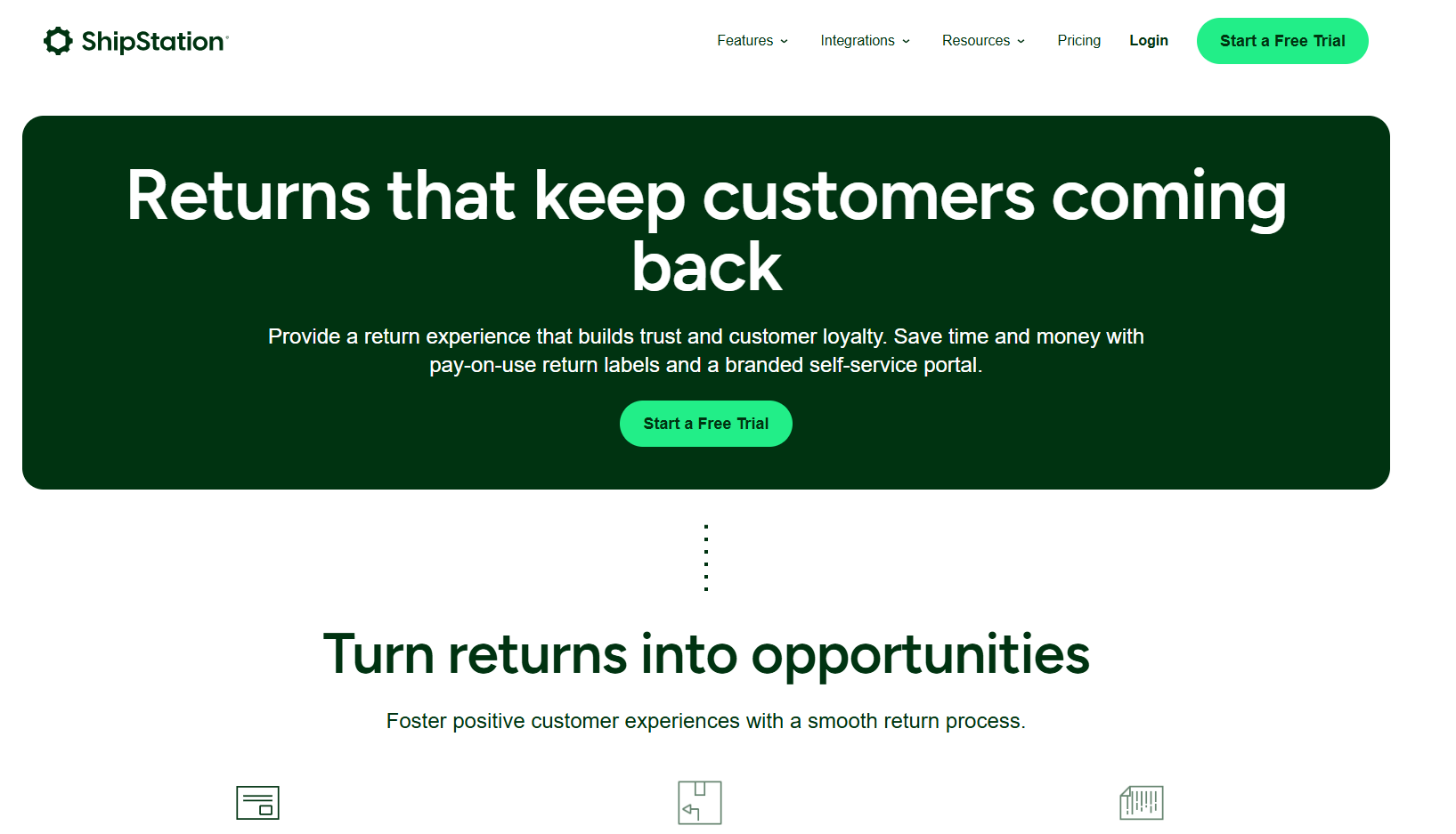
#4: ShipStation
ShipStation's core product is still outbound: buying labels and comparing carrier rates across hundreds of marketplaces. The returns portal was added on top of that later.
Retailers moving away from Swap because their bigger cost pressure is still shipping out, not shipping back, will find ShipStation the more natural fit.
Features
A branded returns portal pulling in returns from every connected sales channel.
Return labels bundled into outbound shipments, so a customer already has one on hand.
RMA creation and processing to track where a return has got to.
Connections spanning 400+ marketplaces, carts and carriers.
Pricing
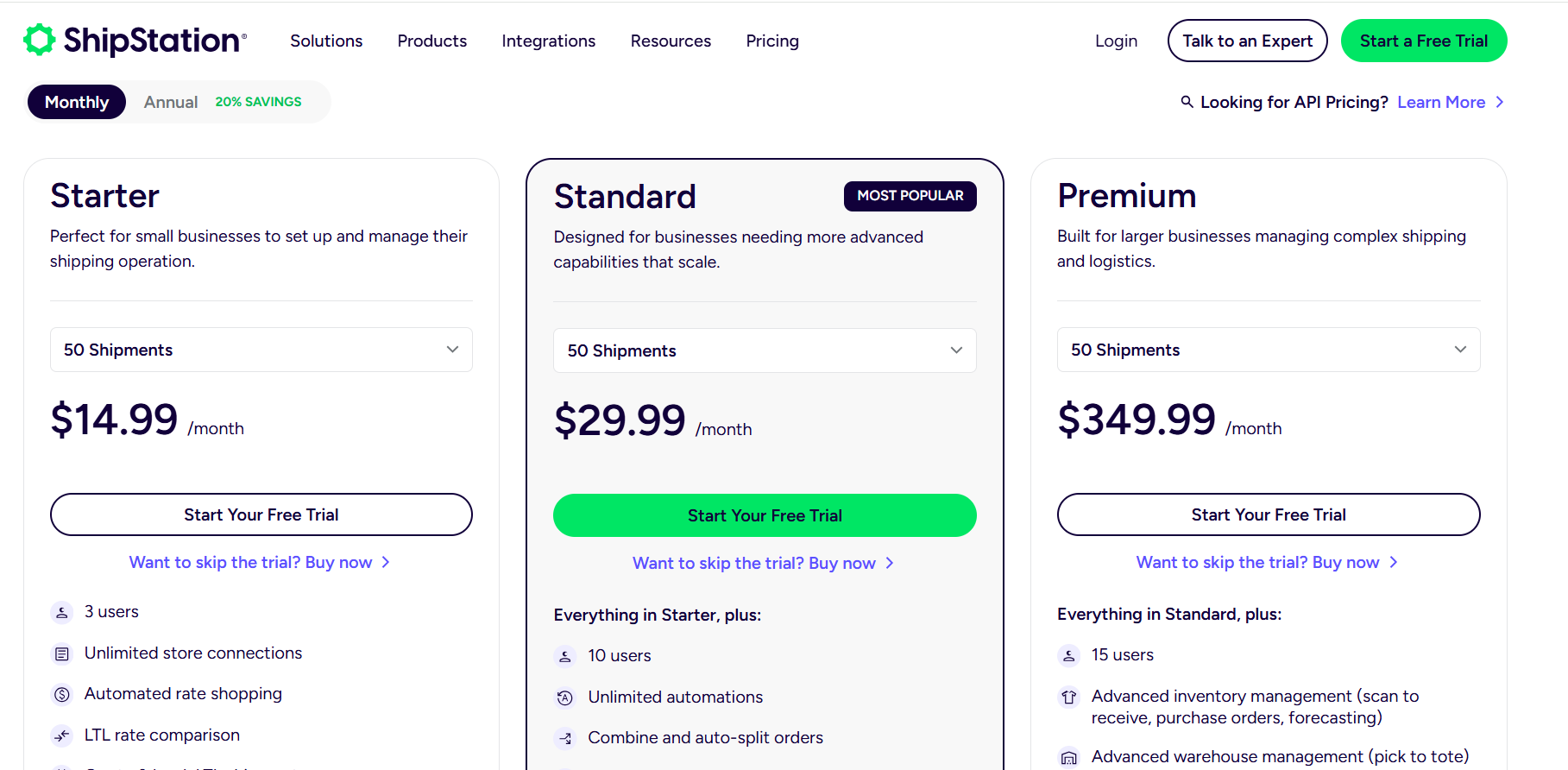
ShipStation's current published tiers:
Free trial available before committing to a paid plan.
Starter: from $14.99 per month.
Standard: from $29.99 per month.
Premium: $349.99 per month, for higher shipment volumes.
❌ Carrier rates are not as good as other ShipStation alternatives on the market, like ZigZag, which offers discounted rates with our carrier accounts.
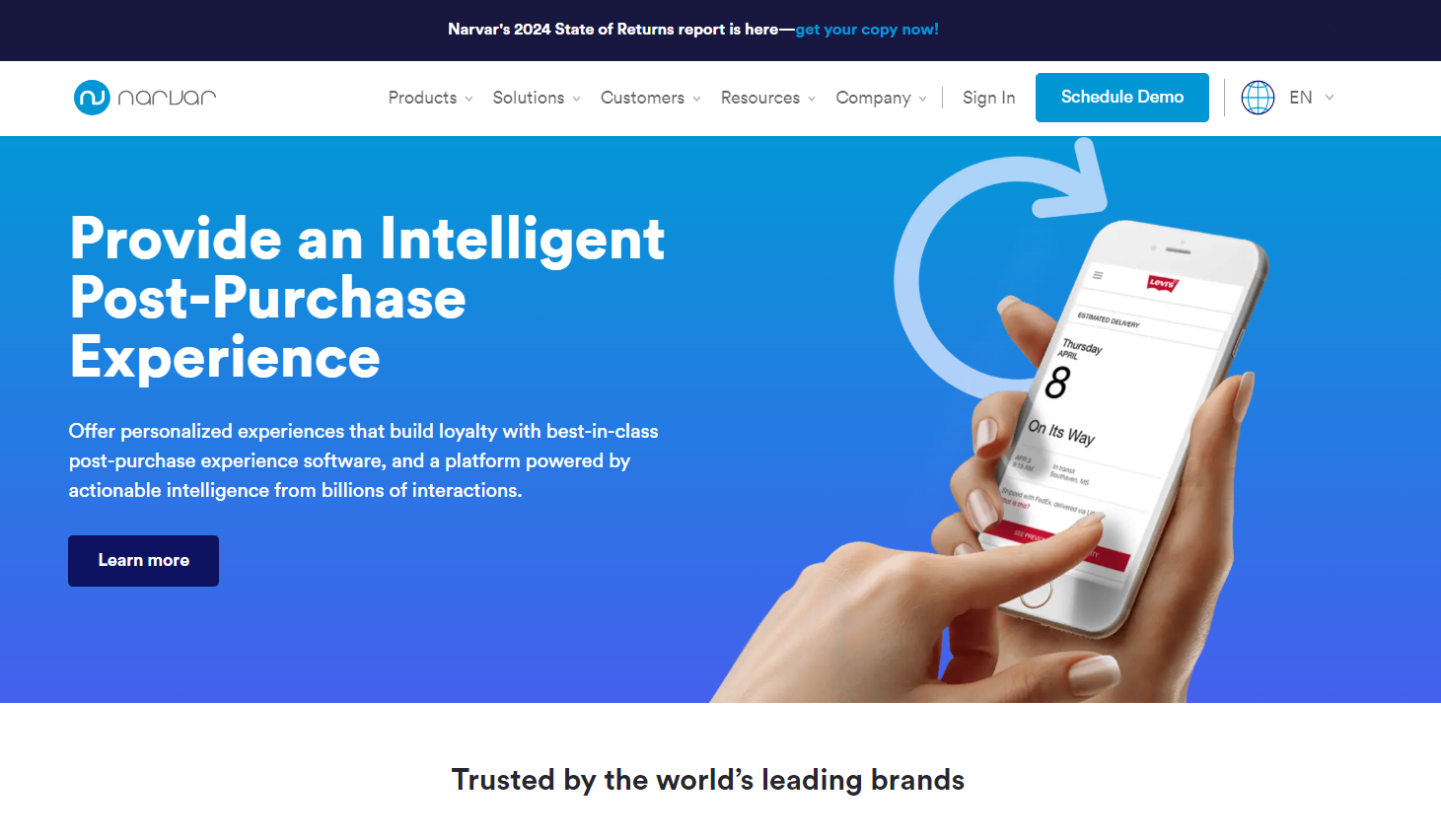
#5: Narvar
Narvar focuses on the customer-facing side of post-purchase, giving shoppers a clear delivery expectation and full visibility over the return journey that follows it.
For retailers evaluating Swap alternatives with return routing in mind, Narvar's logic for sending returned inventory wherever it recovers the most value is the main draw.
Features
Reason-based return fees, so shipping gets waived when the retailer sent the wrong item.
Smart routing that decides where returned inventory travels to reduce handling cost.
A returns portal that can be branded end to end.
Network data that helps identify fraudulent returning behaviour across Narvar's retailer base.
Pricing
Narvar keeps pricing private and quotes per retailer. Getting to a number means going through its sales team first.
➡️ But we’ve got the numbers: In our in-depth Narvar pricing guide, we found how much the platform really costs after consulting with insiders.
Pros And Cons
✅ Routing logic aimed specifically at recovering value from returned stock.
✅ Cross-retailer network data for fraud detection, most useful at larger volumes.
❌ It takes 60-90 days for full implementation and integration of the Narvar software, which is why some merchants have been looking for Narvar alternatives.
#6: Outvio
Country-specific return policies drive most of what Outvio does, handling international returns and post-purchase communication for retailers expanding across European markets.
The fit here is a mid-market European brand that wants localised returns and branded notifications without an enterprise implementation timeline.
Features
Return policies configured separately for each country sold into.
Multilingual, customisable returns portal with on-brand notifications throughout the journey.
Automatic return label generation.
Automated product exchanges for any product variant.
Pricing
Outvio publishes two paid tiers for international returns, both with an additional order processing fee.
Grow: €125 per month, covering returns across more than 90 couriers with smart returns and exchange rules.
Conquer: €250 per month, adding fully branded notifications and advanced analytics.
Pros And Cons
✅ Country-level return policy configuration for multi-market retailers.
✅ Multilingual customisable portal with branded notifications on both tiers.
❌ Lack of return options that go beyond returns and refunds, which is why some customers have been looking for Outvio alternatives to offset costs.
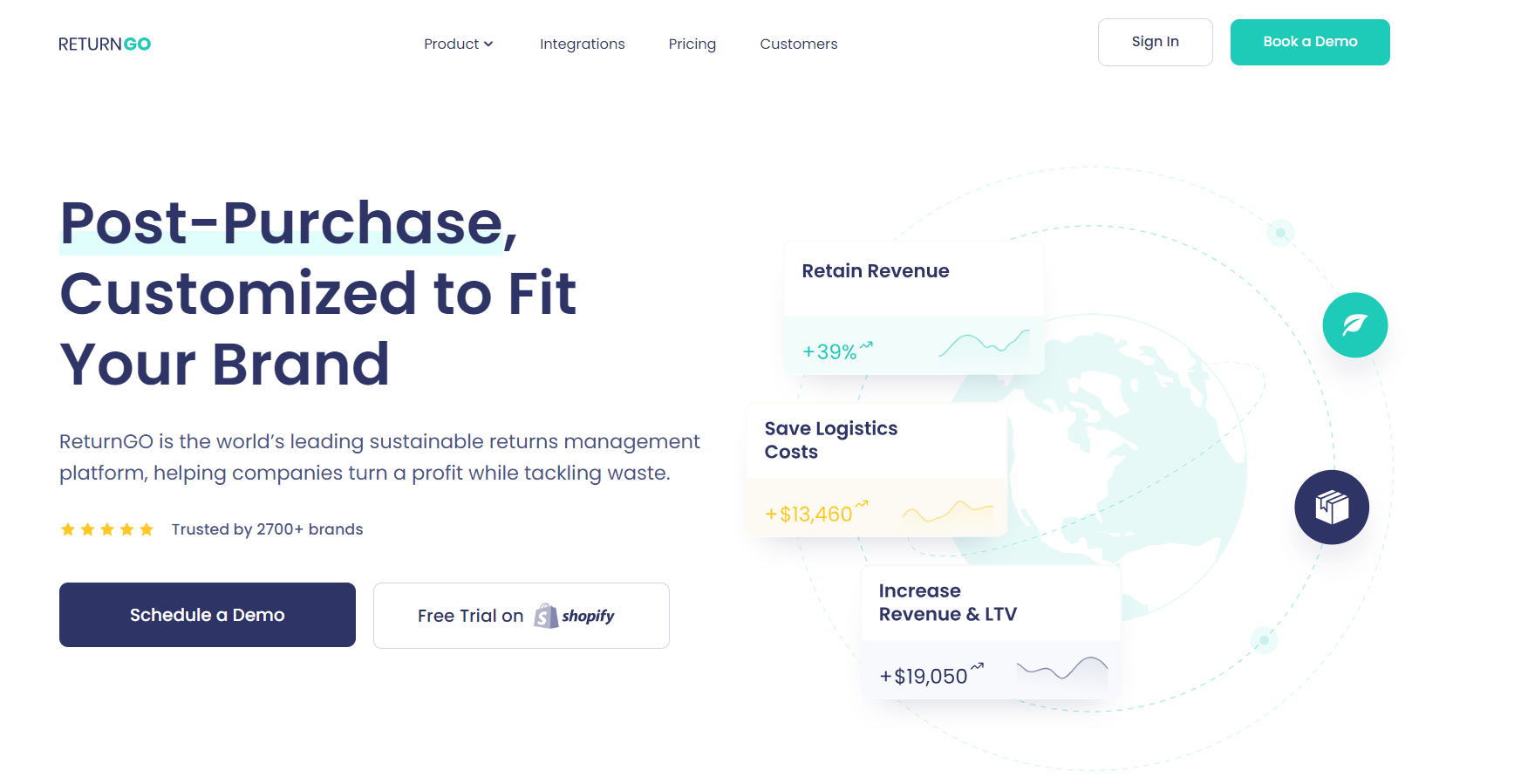
#7: ReturnGO
ReturnGO built its reputation on an eco-conscious approach to returns, helping merchants offset return costs while cutting down on wasted reverse shipments.
Merchants pick ReturnGO when they want exchange-first automation with a sustainability story attached to it.
Features
Product and variant exchanges that let a shopper upgrade during a return.
Branded tracking notifications alongside return status updates.
Request-approval and mark-as-complete automations that remove routine decisions from a support queue.
Multi-language support extending to unlimited languages on the Pro tier.
Pricing
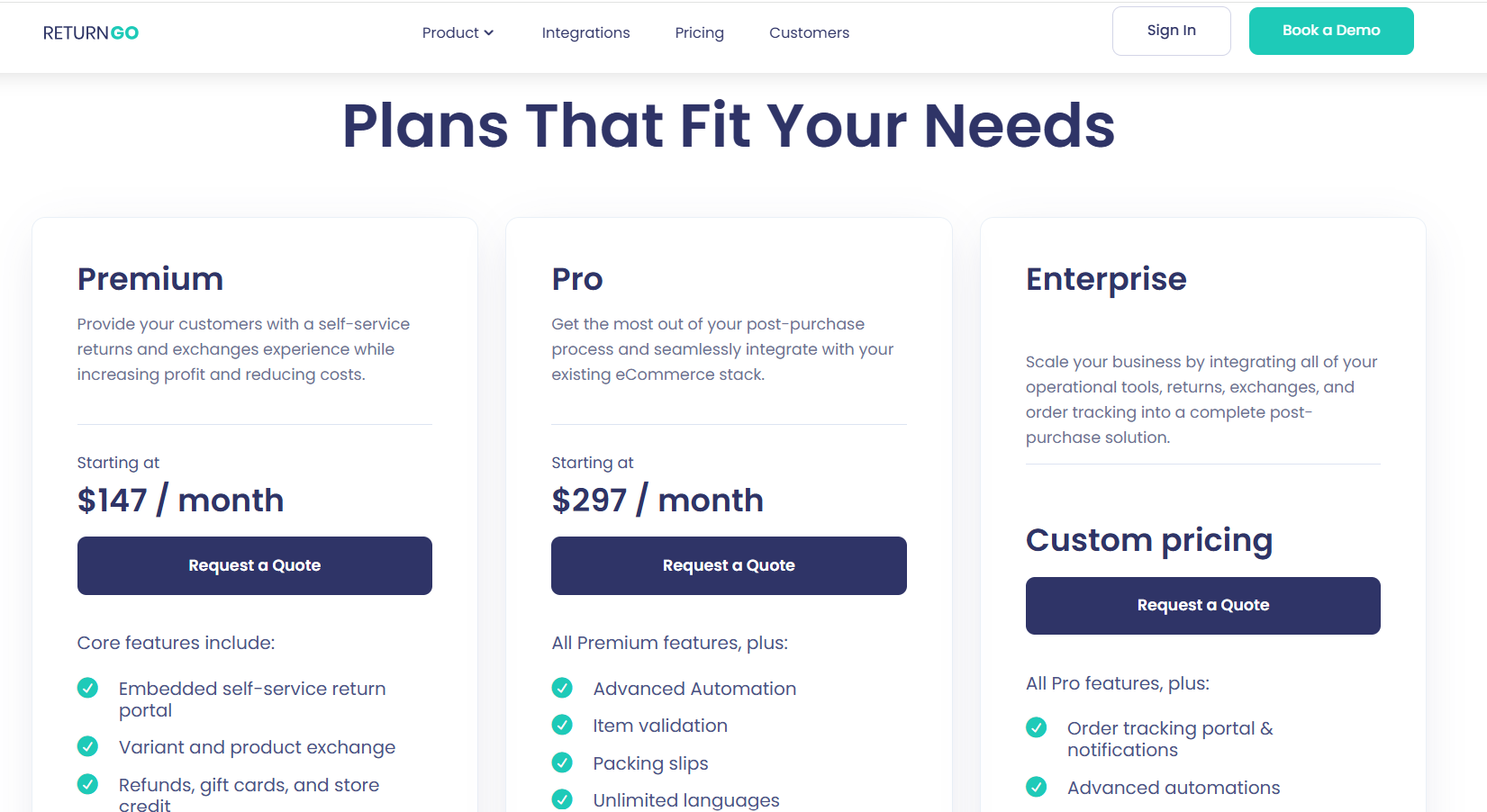
ReturnGO's current tiers:
Premium: from $147 per month.
Pro: from $297 per month, both billed monthly with no annual discount.
Enterprise: a custom tier covering multi-store and omnichannel needs.
Pros And Cons
✅ Several refund outcomes available, including store credit and gift cards alongside a standard refund.
✅ Automation covering approval and completion without manual steps.
❌ Premium and Pro plans support only Shopify, which is why retailers have been looking for alternatives to ReturnGO.
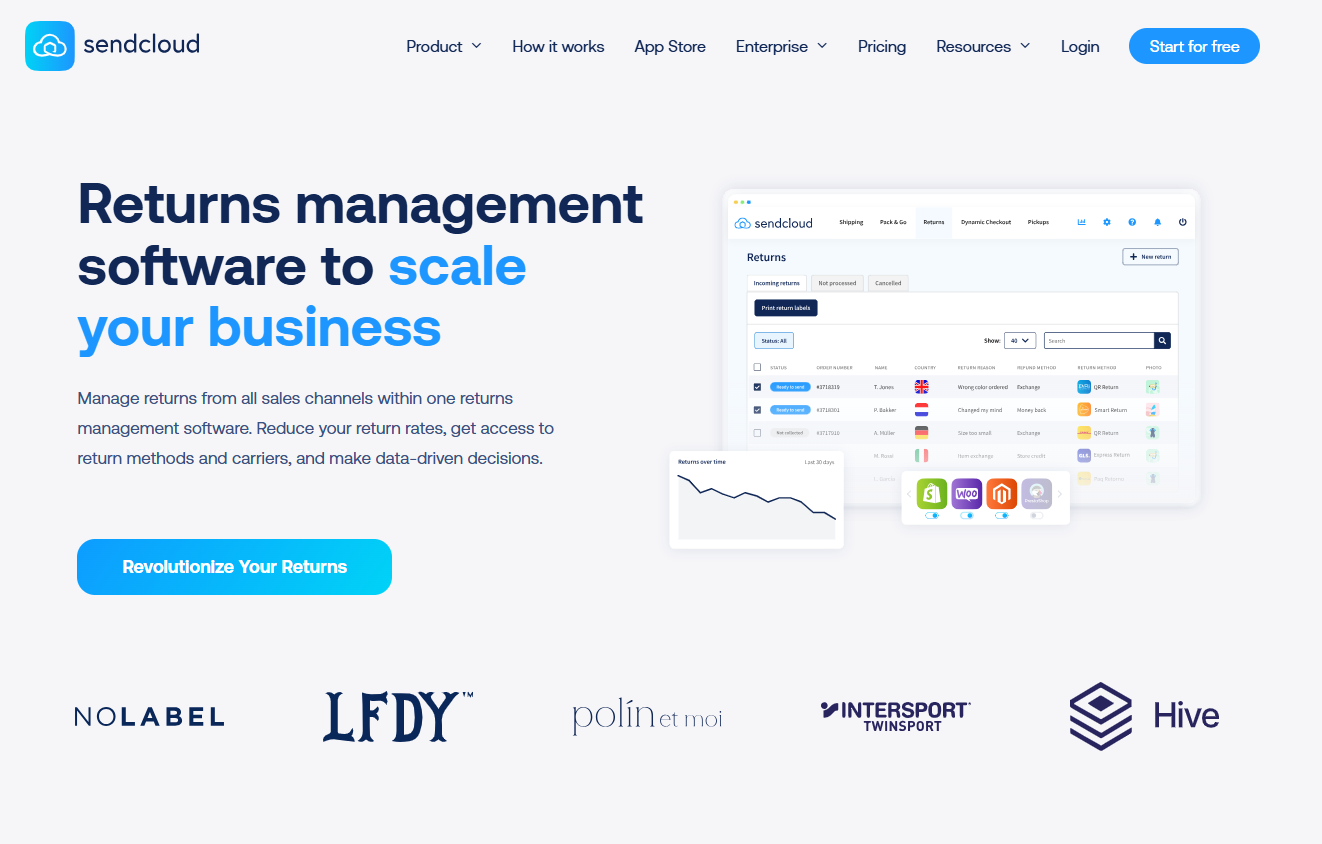
#8: Sendcloud
Sendcloud handles shipping and returns for European e-commerce brands, automating label creation on both the outbound and reverse legs.
A free tier makes Sendcloud a practical Swap alternative for start-ups and smaller retailers who need working shipping and returns before they need a full post-purchase suite.
Features
Automated return label generation, with no manual input from the retailer's team.
Return status updates over SMS to cut down inbound "where is my return" contact.
Automatic customs documentation for cross-border returns.
Real-time tracking on return shipments.
Pricing
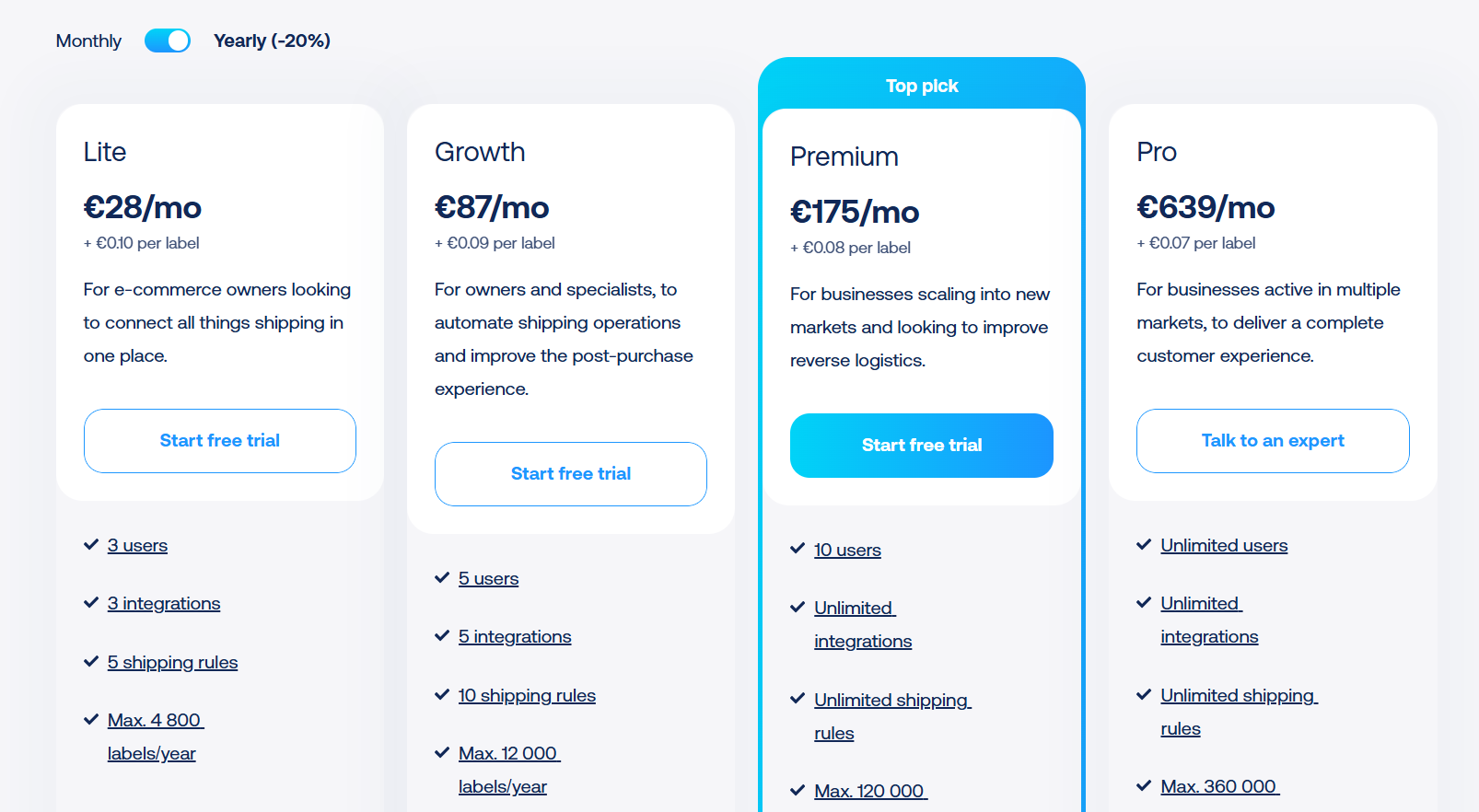
Sendcloud publishes five tiers, four with a listed monthly price plus a per-label fee on top.
Free: €0/month for up to 20 parcels a month, shipped on Sendcloud's own rates with no courier contract required.
Lite: €28/month plus €0.10 per label, covering up to 4,800 labels a year.
Growth: €87/month plus €0.09 per label, covering up to 12,000 labels a year and adding a branded return portal.
Premium: €175/month plus €0.08 per label, covering up to 120,000 labels a year and adding Advanced Returns Management.
Pro: €639/month plus €0.07 per label, covering up to 360,000 labels a year.
Enterprise: custom pricing for larger or non-standard setups.
Pros And Cons
✅ A genuinely usable free plan for smaller sellers, up to 20 parcels a month with no courier contract needed.
✅ Real-time return shipment tracking, included from the Lite tier up.
❌ Advanced Returns Management sits behind the Premium tier, so meaningful return automation starts at €175 a month.
Next Steps: Choosing Between A Single Account And Global Returns Infrastructure
For a Shopify brand that wants returns, tracking and duty compliance handled from one connected account, Swap is a genuinely strong fit.
The gap opens up once a retailer needs more carrier reach than Swap's own network covers, or needs return outcomes configured differently market by market, not applied the same way everywhere.
ZigZag Global covers that gap.
You get a returns portal, branded tracking and returns analytics on one platform, backed by ZigZag's own carrier accounts across more than 170 countries and return options built specifically to protect revenue.
If you want to lower return costs and recover more revenue at the point of return, on one platform that covers every market you sell into, book a demo and we will walk you through it using your own numbers.
By clicking “Accept All Cookies”, you agree to the storing of cookies on your device to enhance site navigation, analyze site usage and assist in our marketing efforts. More info
By clicking “Accept All Cookies”, you agree to the storing of cookies on your device to enhance site navigation, analyze site usage and assist in our marketing efforts. More info


 Returns
 Returns Solution
 Returns Solutions

 Rating (4.8)
 Reviews400+


 Return arrived at ZigZag Returns Hub


 Returning remaining items
 Join our mailing list