E-commerce logistics: the hidden post-purchase costs eating into your margins (and how to control them)
Hidden post-purchase costs are eating into your margins. Learn how to better manage e-commerce deliveries, returns, and incidents.
When retailers look to optimise their e-commerce logistics, their first steps usually involve shipping costs: negotiating carrier rates, optimising delivery times, or streamlining inventory.
These levers remain important, but they only tell part of the story.
Today, an increasing share of logistics costs arises after checkout, during an often-underestimated phase: the post-purchase experience. From the moment an order leaves the warehouse until the customer is satisfied, refunded, or retained, numerous costs accumulate that aren't always visible in logistics reports.
Delays, support tickets, lost packages, refunds, reshipments, and returns management, taken individually, these costs seem limited. Added up across thousands of orders, they can represent several percentage points of margin.
For retailers, the challenge is no longer just about shipping at the lowest cost, but about effectively managing the entire post-purchase journey.
The most significant e-commerce logistics costs don't always appear on the carrier's invoice. They often emerge after shipping, through the management of incidents, returns, and the customer experience.

Most retailers track their transport costs precisely. However, expenses generated by post-purchase incidents are often split across multiple teams, making them harder to measure.
Among the most frequent costs:
The true cost of a delivery goes far beyond the shipping fee.
The real problem isn't the cost of the parcel, but the cost of the incident.
When a delivery goes smoothly, the cost is predictable.
When an incident occurs, several expenses add up immediately: time spent by support, manual investigations, communication with the carrier, and potential refunds or re-shipments.
Let's look at a simple example.
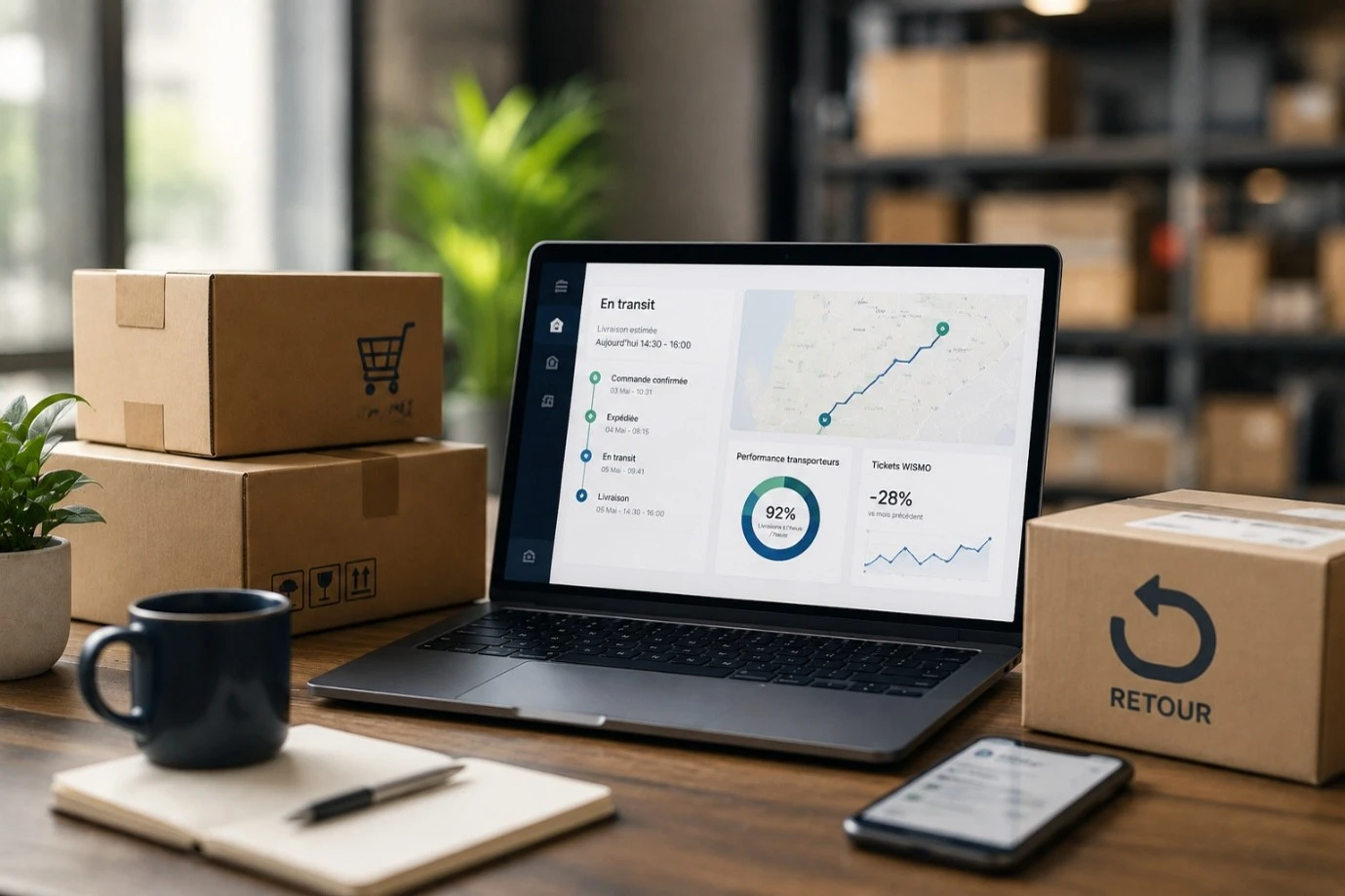
A retailer processing 60,000 orders per year with a 10% delivery-related contact rate will have to manage around 6,000 WISMO tickets. Even at an average cost of just £2-5 per ticket, this quickly adds up to tens of thousands of euros in annual expenses.
Most of these costs could be reduced with better shipment visibility.
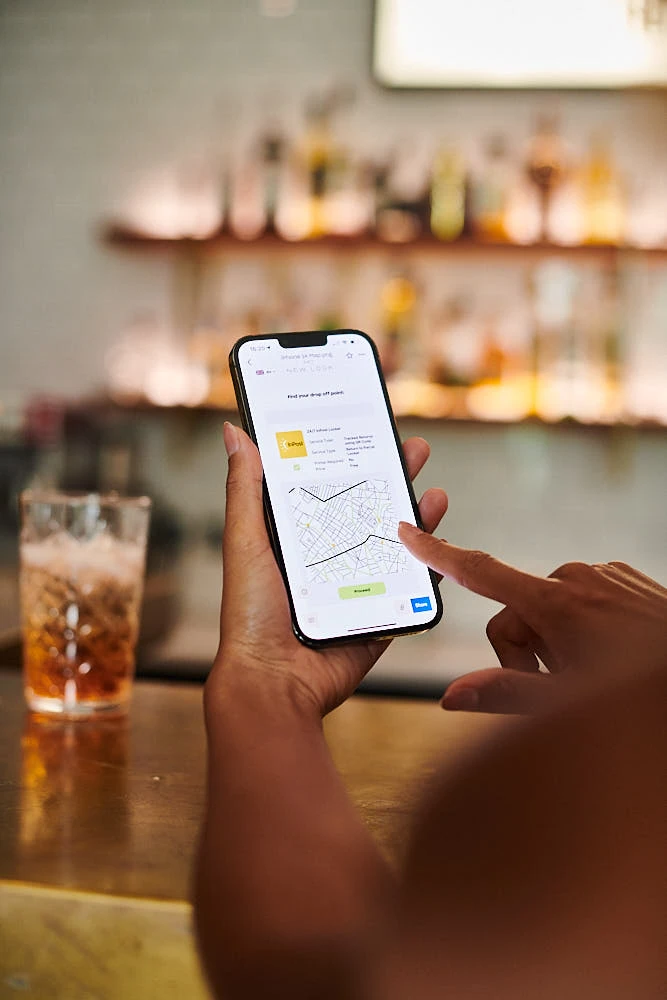
For a long time, order tracking was seen merely as a customer communication tool.
Today, it has become an operational management tool.
Order tracking software allows retailers to centralise carrier information and identify issues before they generate additional costs.
The main benefits are:
Better visibility allows you to shift from a reactive to a proactive approach.
Returns management has become one of the biggest challenges in e-commerce logistics.
In sectors like fashion, e-commerce return rates regularly exceed 30%. As volumes grow, the associated costs rise right along with them.
Every return generates multiple expenses:
In total, the cost of an e-commerce return often reaches between £10 and £20 per item.
The goal isn't to eliminate returns, but to make them easier to manage for both your team and your customers.
Many retailers still handle returns using manual or semi-manual processes.
This approach slows down operations and limits visibility into return flows.
Return management software allows you to automate:
The result: fewer administrative tasks, faster turnaround times, and a better customer experience.
Not all post-purchase solutions address the same needs.
An e-commerce logistics platform goes further by bringing carrier data, returns, performance metrics, and customer communication tools together in one environment.
This approach provides a comprehensive view of the true cost of delivery.
For retailers, reducing logistics costs is no longer just about negotiating better carrier rates.
The main levers now lie in managing the post-purchase experience:
Companies that invest in an e-commerce logistics platform capable of centralizing these operations generally have better control over their costs and provide a more consistent customer experience.

You can use the tool on our website to estimate the impact of a returns solution on your bottom line.