With the rise of omnichannel marketing, brands can now orchestrate transparent and proactive communications that not only inform customers, but also strengthen their loyalty, encourage repeat purchases, and allow them to exploit upselling and cross-selling opportunities after purchase.
Discover the highest-performing distribution channels – WhatsApp, Apple Wallet Order Tracking, email and SMS – that contribute to a consistent omnichannel marketing strategy, based on real key performance indicators that prove their impact on the business.
When we talk about omnichannel marketing, the focus is mainly on the pre-purchase journey (advertising, websites, product discovery). But one of the most powerful and often overlooked phases only begins after the sale: the post-purchase experience.
The post-purchase experience encompasses all communications, services, and interactions a customer receives from the moment they make a purchase until long after their order has been received. This includes:
What makes this phase essential in omnichannel marketing is the opportunity it offers to maintain engagement across multiple touchpoints (WhatsApp, Apple Wallet, order tracking, email and SMS), each reinforcing the brand experience in a consistent and contextual way.
The advantages of omnichannel marketing for the post-purchase experience
In a landscape where 74% of e-commerce traffic is on mobile, customers expect brands to communicate like their friends do, instantly, personally, and on their preferred channels.
When executed effectively, the post-purchase experience becomes more than just a transactional phase. It becomes a strategic growth driver, enabling businesses to build customer loyalty, generate revenue, and increase long-term customer lifetime value through a well-designed omnichannel marketing strategy.
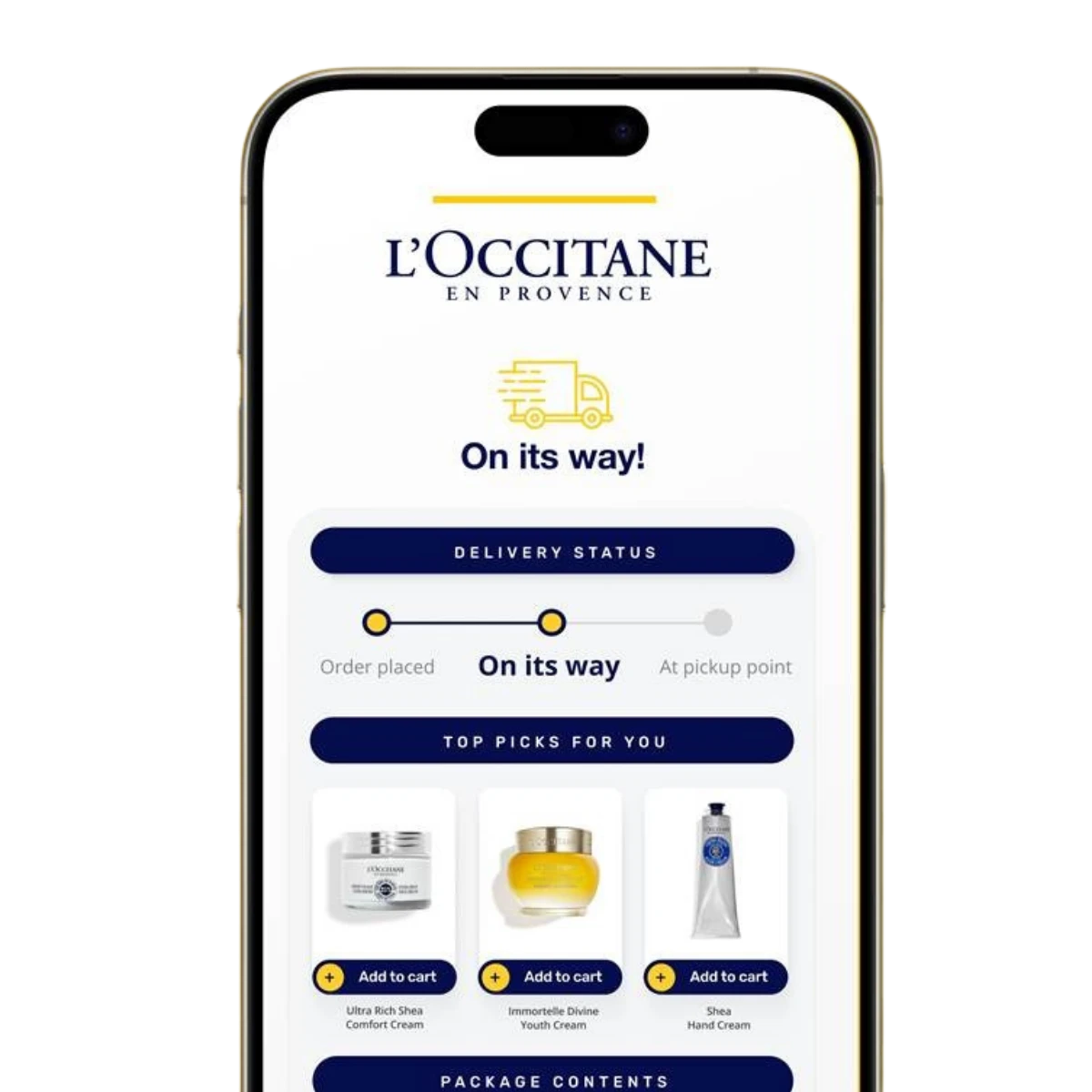
Email remains an effective tool in the post-purchase journey, especially when combined with personalised follow-up pages, brand style, and proactive smart logic.
Main results:
Best practices:
Impact on cross-selling: Branded emails containing personalised product suggestions, based on behaviour or delivery stage, generate 2 to 3 times more conversions than standard post-purchase campaigns.
WhatsApp is rapidly evolving from a support tool to a true marketing and customer relationship management channel. With 2 billion active users worldwide and a 98% open rate, it is the most effective real-time communication platform for brands after purchase.
Main results:
What makes it effective?
Best practices for WhatsApp delivery notifications
Impact on revenue: Brands like Clarins and JOTT use WAX's WhatsApp notifications for reactivation feeds and dynamic recommendations, achieving conversion rates 5 times higher than email.

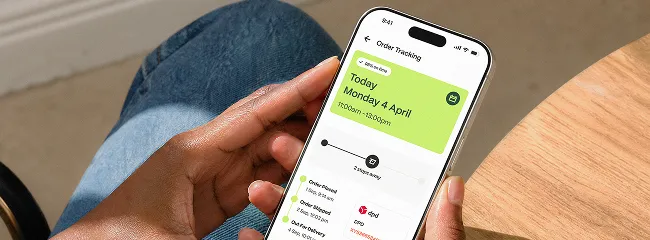
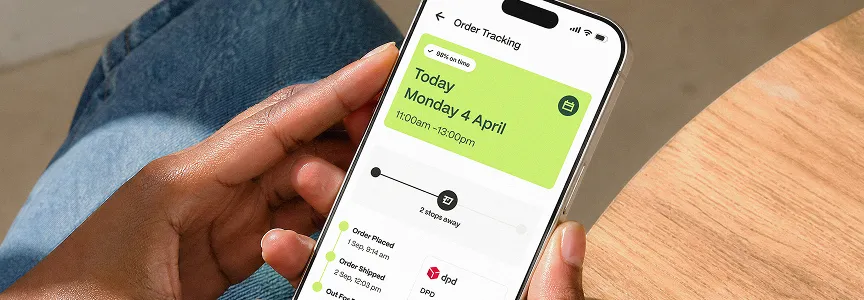
Order tracking via Apple Wallet offers a simple way to engage iPhone users with branded updates on the lock screen – no searching through the inbox, no additional apps.
Key findings:
Why it works:
Impact on loyalty: Order tracking via Apple Wallet reduces the number of WISMO tickets and creates a polished, premium delivery experience that strengthens brand perception, particularly in the fashion, beauty, and luxury sectors.
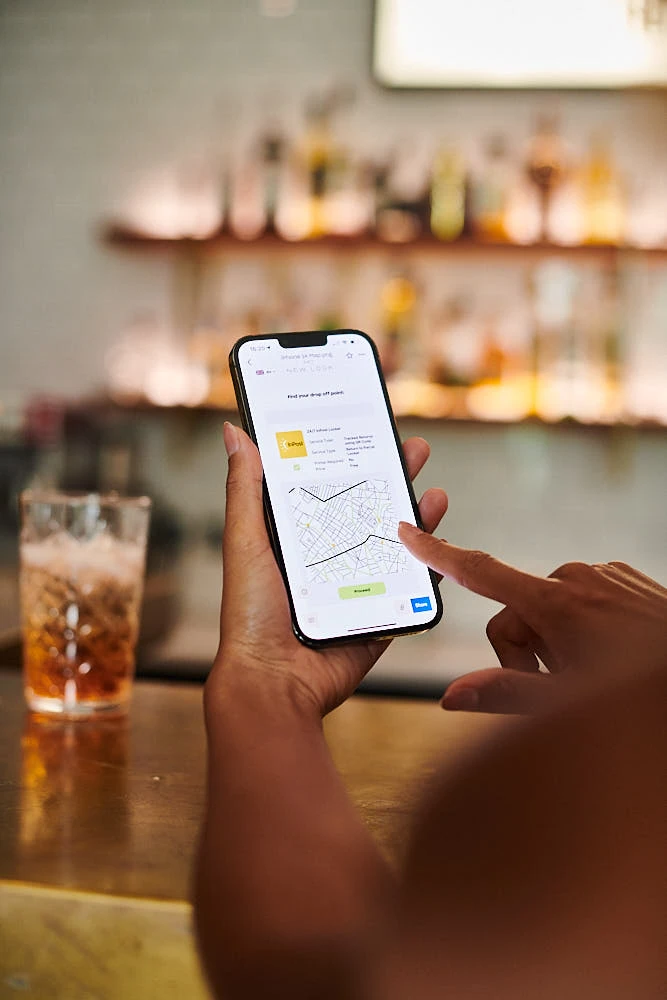
Despite its simplicity, SMS can be a gamechanger for post-purchase delivery and customer satisfaction. Yet, it remains underutilised.
Main results:
When to use SMS for delivery:
Impact on customer loyalty: Brands like Poiscaille and Le Slip Français use SMS to avoid missed deliveries and speed up pickup, which improves the customer experience and protects margins.
Delivering a consistent omnichannel experience after purchase across WhatsApp, Apple Wallet, order tracking, SMS, and email requires more than just channels; it demands orchestration. That's where omnichannel marketing tools come in.
These platforms help you manage customer engagement across multiple touchpoints, trigger personalised notifications based on real-time logistical events, and achieve measurable results such as higher conversion rates, reduced support tickets, and increased revenue generated from post-purchase sales.
The best omnichannel marketing tools
A successful omnichannel marketing strategy does not rely on a single channel, but combines all four to create a unified, informative, frictionless, and revenue-generating post-purchase experience.
Summary of omnichannel marketing by post-purchase communication channel
Your best chance to increase revenue, improve loyalty, and reduce churn isn't before the sale – it’s after. By designing a consistent omnichannel post-purchase experience, brands can transform routine delivery updates into powerful moments for loyalty building, upselling, and trust building.
Whether it's real-time WhatsApp alerts, frictionless order tracking via Apple Wallet, personalised emails, or well-chosen SMS messages, each channel plays a role in creating a post-purchase experience that fosters loyalty and long-term value for the customer.